
Battery-powered rope ascenders that drive a worker or a load up a fixed line under motor power, then lower it under control. Built for rope access, tower and wind work, rescue and tactical entry.
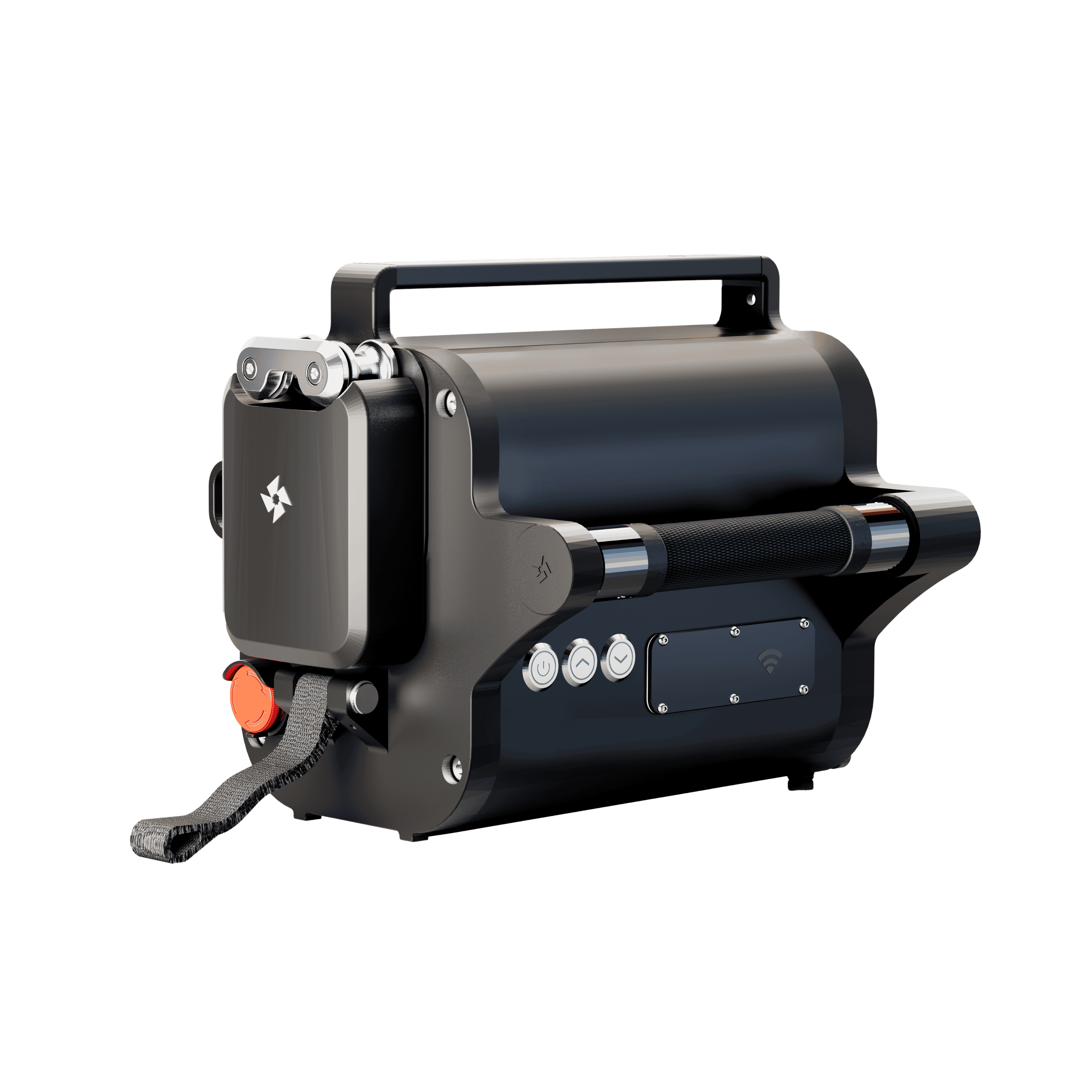 MODE
MODE
14.5 kg · 200 kg SWL · IP65 · WiFi app control, 100 m · Built for harsh environments
$5,900 USD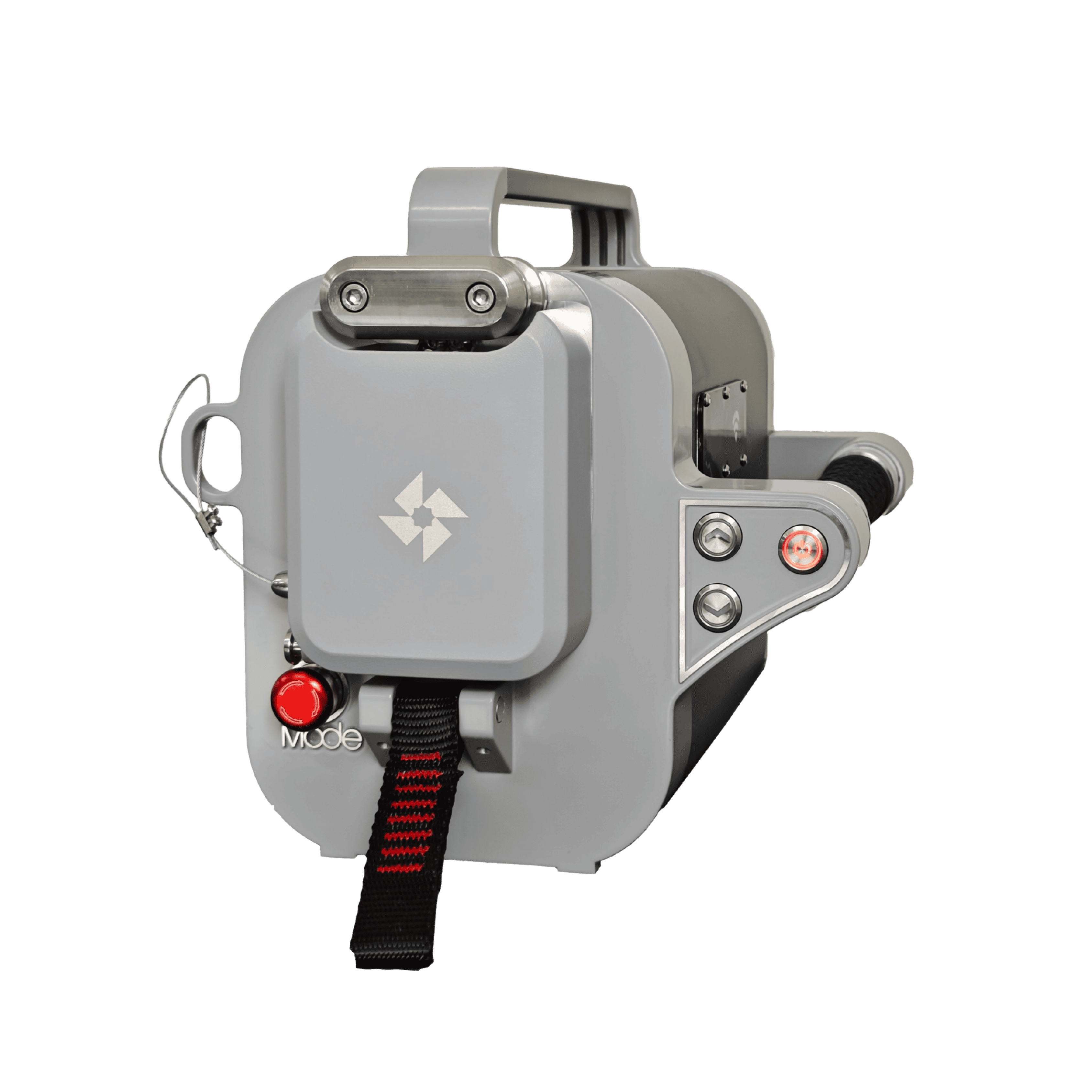 MODE
MODE
14.3 kg · 200 kg SWL · IP54 · WiFi app control, 100 m · Everyday rope access
$3,900 USD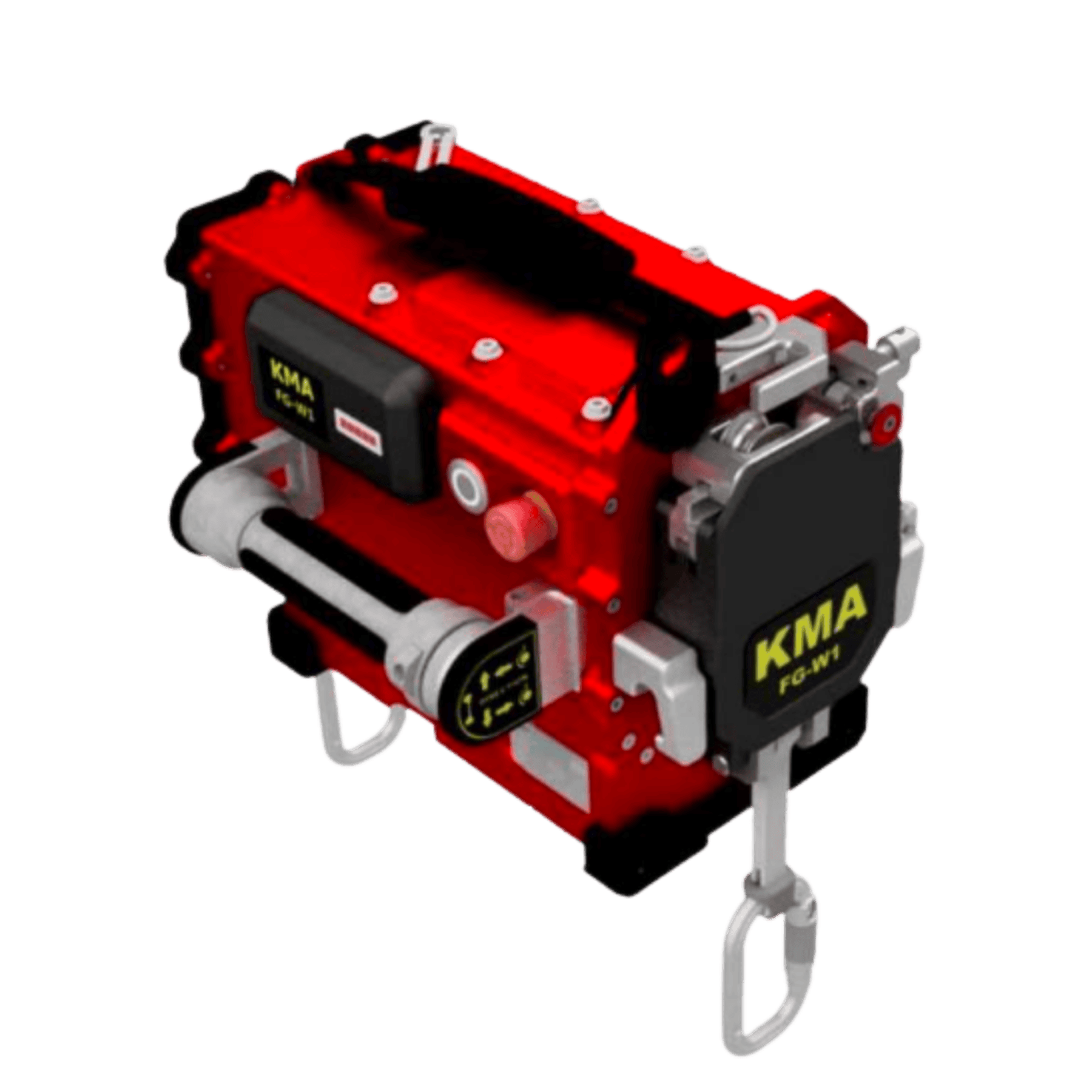 KMA
KMA
≈15 kg · 110–200 kg WLL · IP66 · 100 m remote · Firefighting
$22,150 USD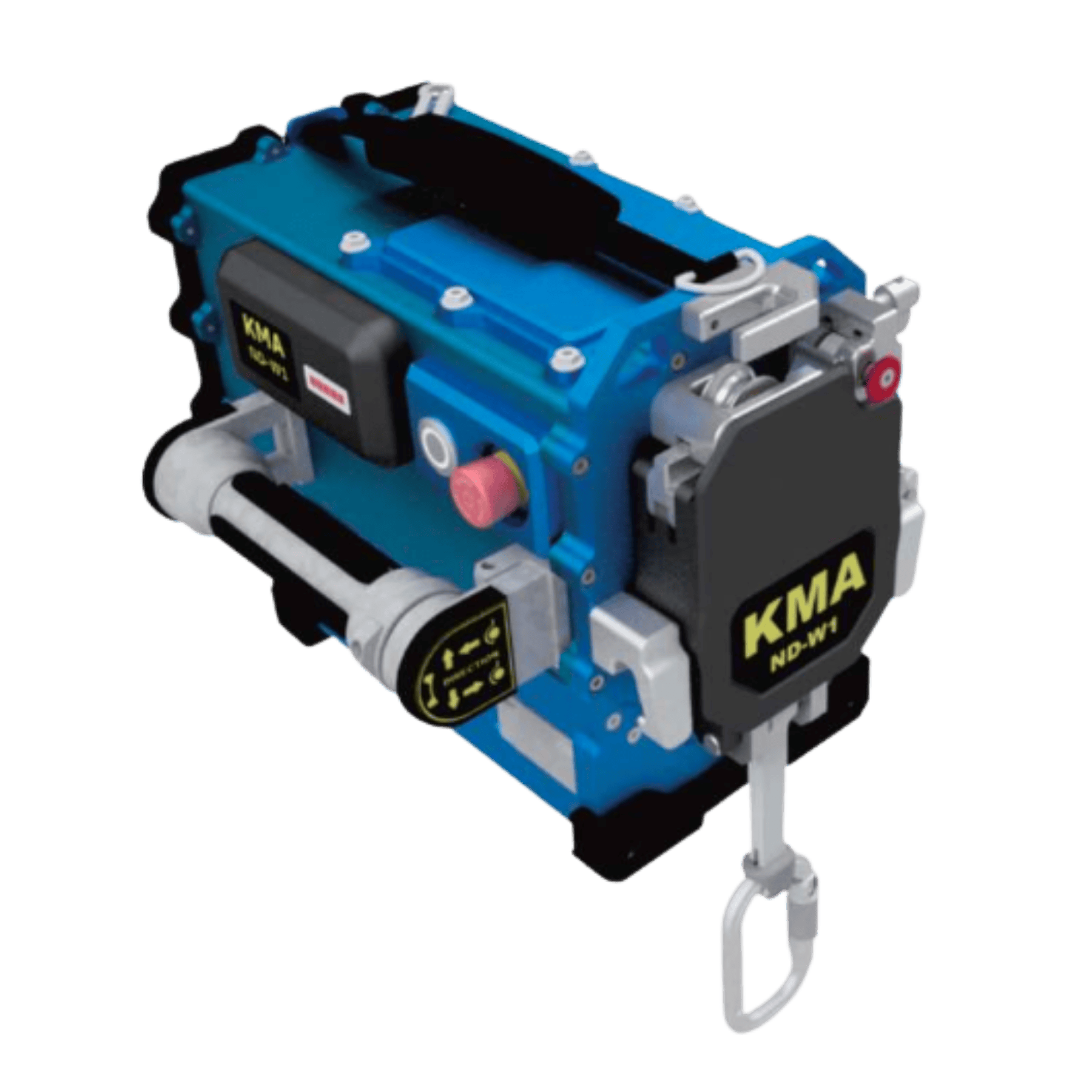 KMA
KMA
≈15 kg · 110–200 kg WLL · IP65 · 100 m remote · Industrial
$20,390 USD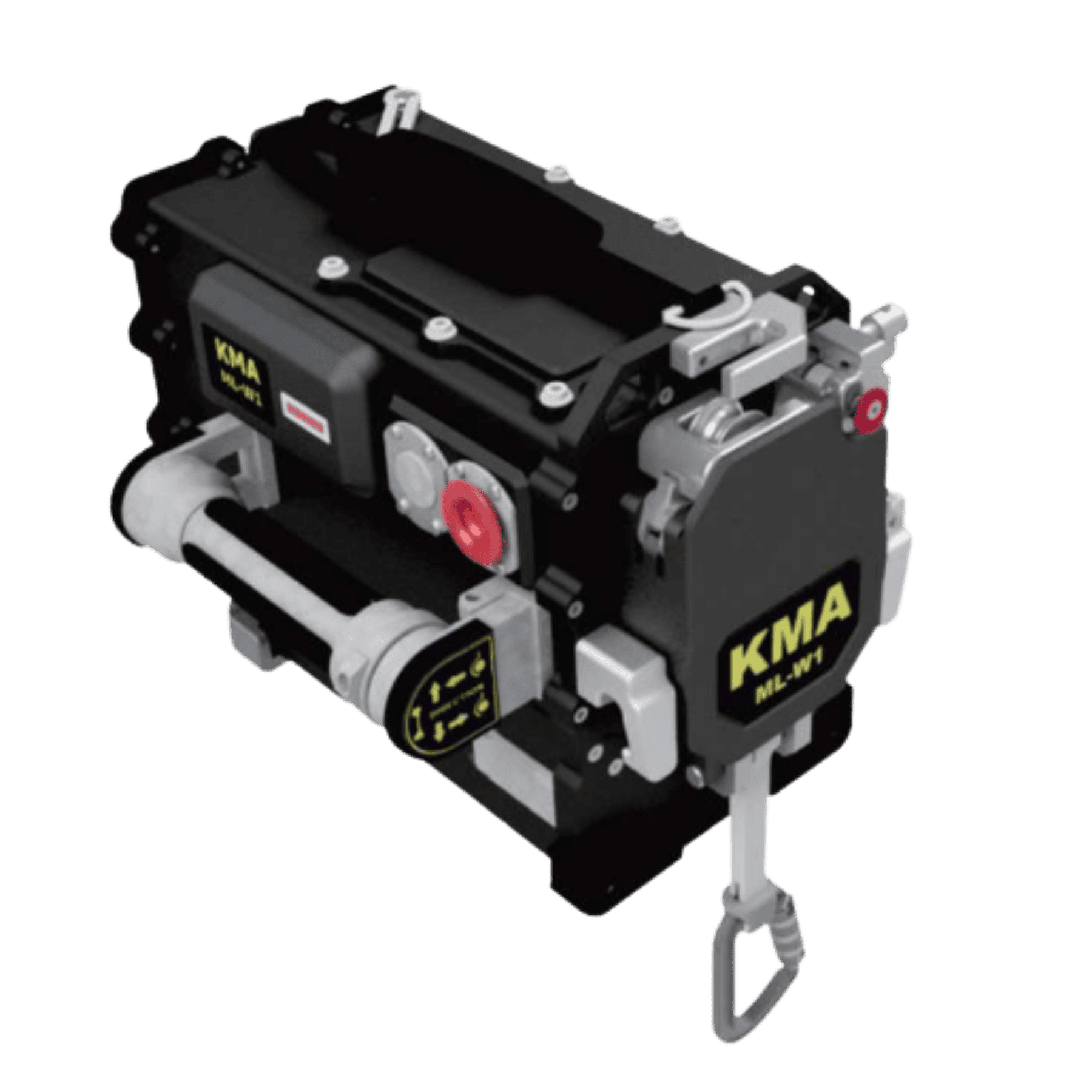 KMA
KMA
≈15 kg · 110–200 kg WLL · IP68 · 100 m remote · Tactical & military
Request a Quote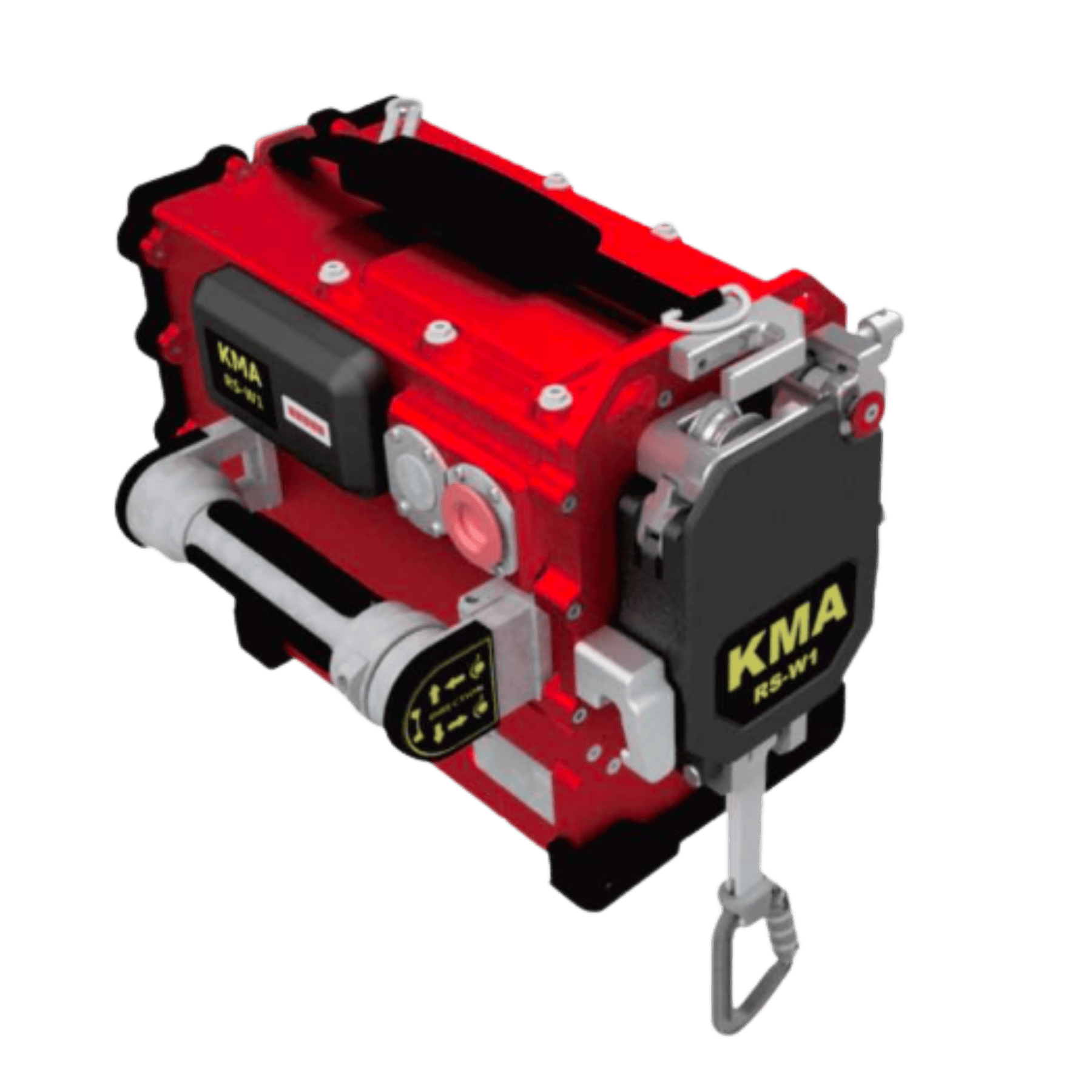 KMA
KMA
≈15 kg · 110–200 kg WLL · IP67 · 100 m remote · Rescue
Request a Quote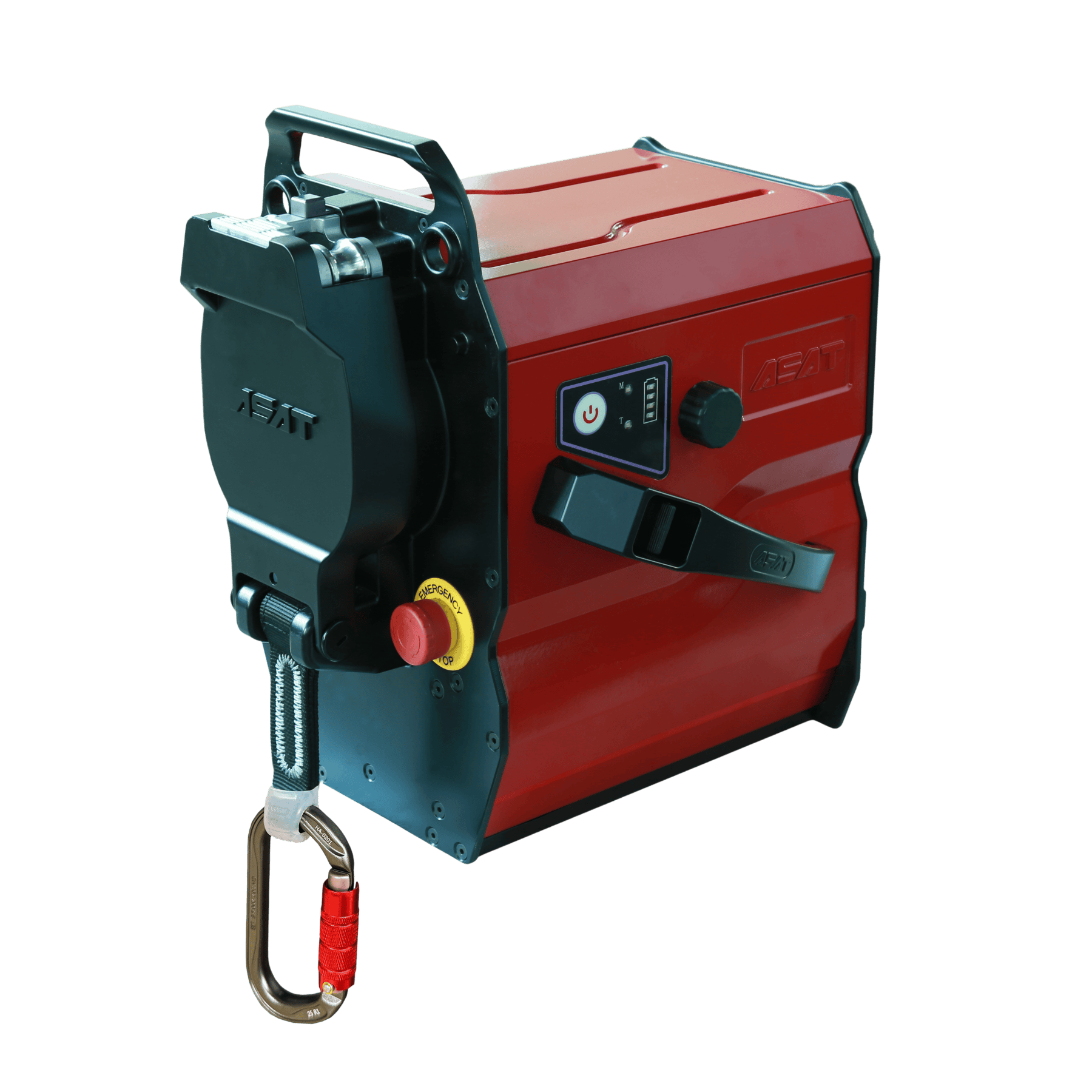 ASAT
ASAT
18 kg · 260 kg WLL · IP56 · 150 m remote · Highest working load we stock
$11,100 USD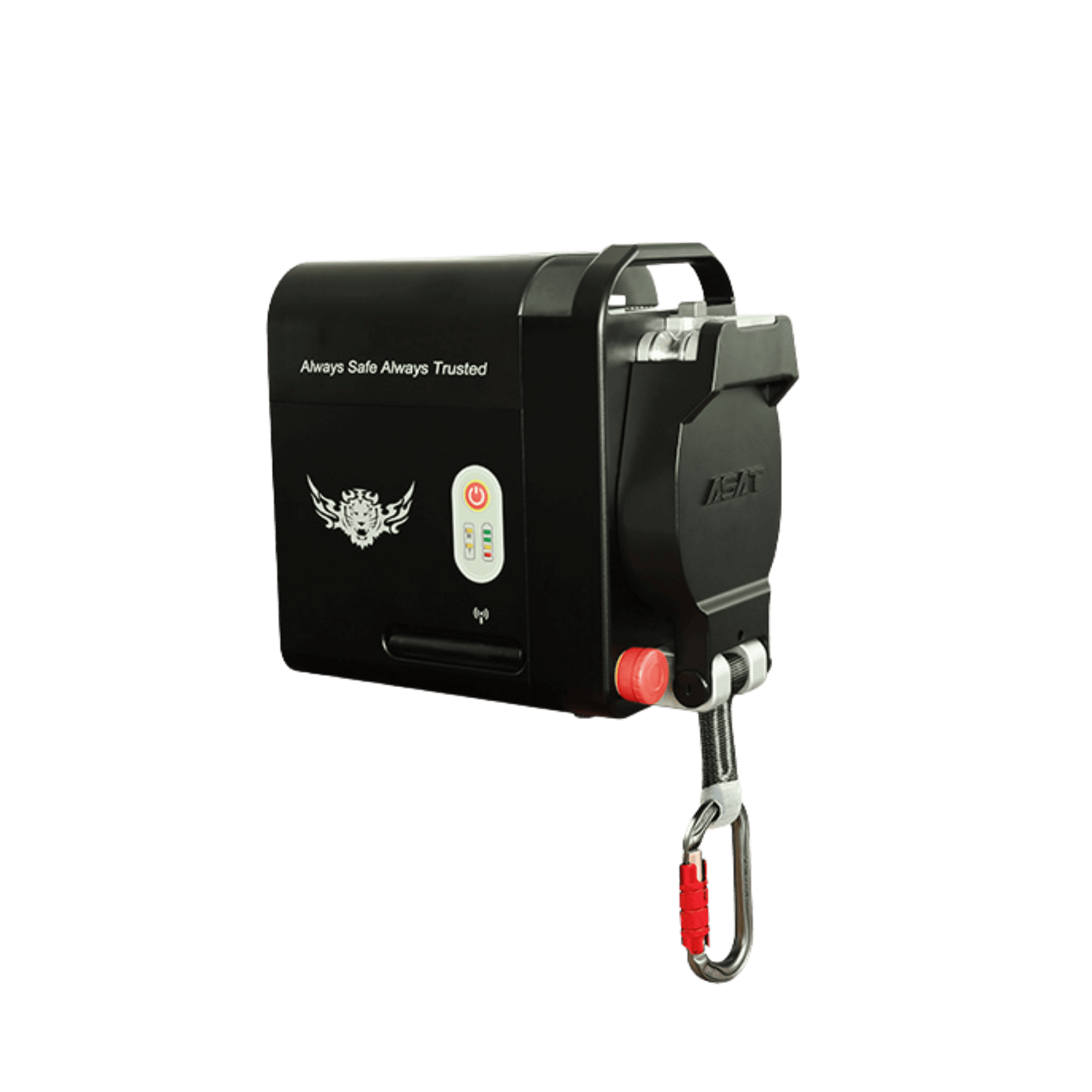 ASAT
ASAT
10.5 kg · 180 kg WLL · IP54 · 150 m remote · Vertical, horizontal & inclined
$7,800 USD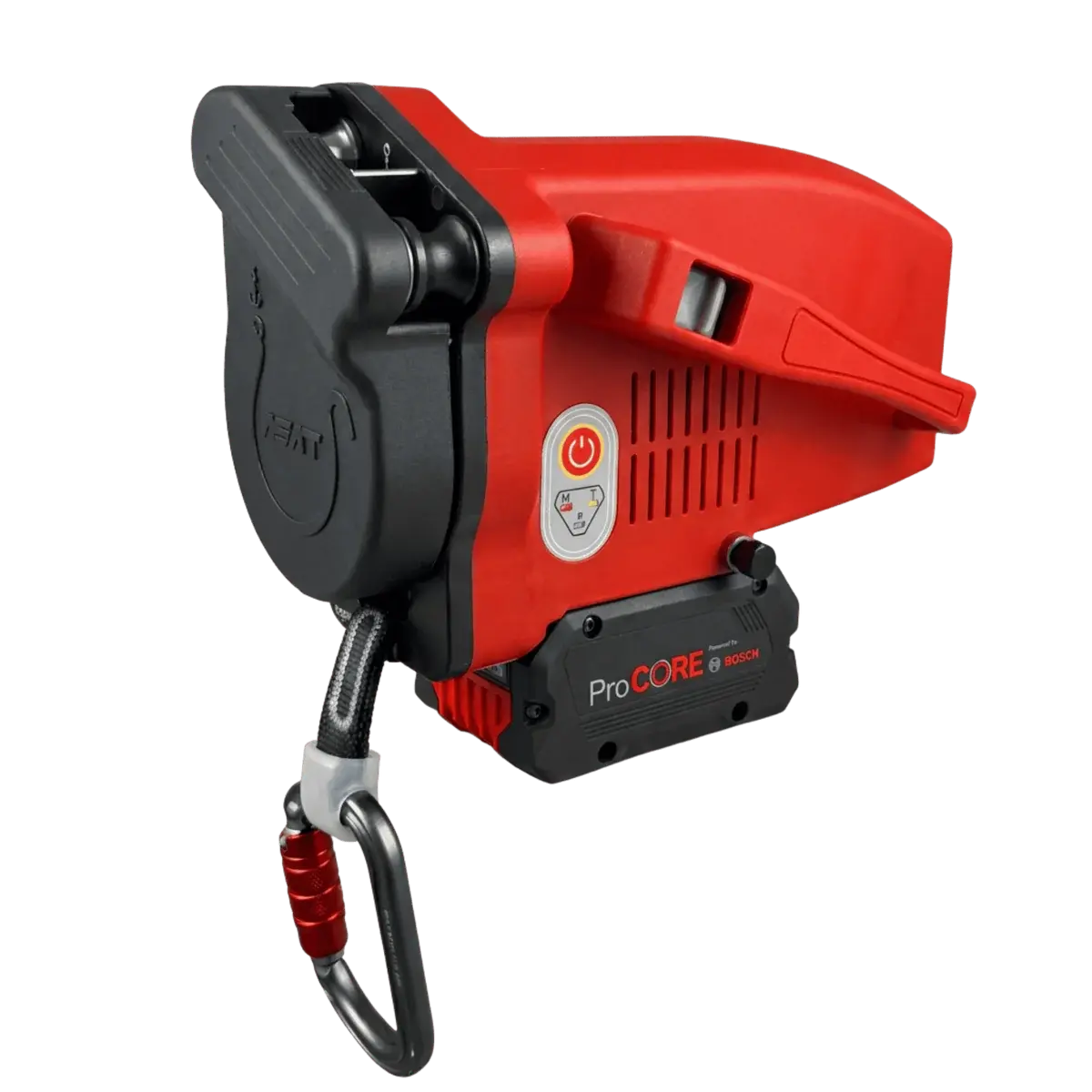 ASAT
ASAT
3.5 kg · 150 kg WLL · Bosch ProCORE battery · 100 m remote · Carried in one hand
$2,500 USDPower ascenders are our specialist line, and the range is built around duty rather than around a single flagship. The ASAT ACE series covers the lightweight end, where carrying the unit to the job matters as much as what it does once rigged. The MODE Spider units sit at the heavier-duty end for sustained industrial work. The KMA series is split by the job it is bought for — industrial, fire and rescue, tactical and military — with the differences in packaging, protection and handling rather than in the basic mechanism.
Some of this range carries a price on its product page and some is quoted. Where a unit is a defined article, the price is published, because someone comparing machines should not have to ask what they cost. Where it is not, we quote it, and deliberately so: capacity, rope length, battery provision and mounting all depend on the structure you are working on, and the right answer for a wind tower is not the right answer for a rescue vehicle. Tell us the height, the load and where the unit will live between jobs, and we will spec it.
A power ascender is a portable motorised winch that climbs a fixed rope rather than winding it onto a drum. The unit grips the line, and the operator ascends, descends or lifts a load using power instead of muscle. Because the rope passes through the device, working length is limited by the rope, not by drum capacity.
The same machine is sold as a powered, electric, motorised or automatic rope ascender. Those words describe the motor, not four different mechanisms: what changes between models is duty, capacity, protection and how the unit is packaged, never the principle.
That distinction matters on tall structures. A mechanical rope clamp converts a climb into repeated physical effort, which caps how many ascents a technician can make in a shift and how much they can carry. A powered unit removes that ceiling, which is why the technology spread from rescue services into wind, telecom and industrial rope access. The lightest unit we stock, the ASAT ACE-51, weighs 3.5 kg without its battery; the highest working load, the ACE-24, lifts 260 kg.
Most units in this class perform three jobs: raising a person, lowering them under control, and hauling tools or casualties. The same device that carries a technician up a tower can lift a toolbag afterwards, which is a large part of the commercial argument for buying one.
Duty cycle, rated load, rope diameter and line speed differ between models and determine which unit suits your work. Those figures are published per model on the manufacturer datasheet, and that datasheet is the only place to read them from — never a category page, this one included.
This is the part worth reading slowly, because two different regimes meet here and they are not interchangeable. EN 14492-2 covers power-driven hoists — and it explicitly excludes the lifting of persons. A unit certified to it alone is certified as equipment for lifting loads.
Lifting a person is governed instead by the Machinery Directive's requirements for that duty, and where the unit forms part of a personal fall protection system its components fall under PPE standards: EN 341 for descent devices, EN 12841 for rope adjustment devices in a rope access system, among others.
So the question to ask of any powered unit is not whether it is certified, but what it is certified to lift. Check the CE marking, the declaration of conformity and the datasheet for the specific model, and check that the duty stated there is the duty you intend. Conformity is a property of the product, not of the category — and a hoist rating is not a person rating.
Four questions narrow the field quickly. How much weight must it lift, and is that one person, a person plus equipment, or a rescue load of two? How high is the structure, since that sets rope length and battery demand? How fast do you need to travel, and does speed matter more than run time? And how far from a power source will the unit work, which decides battery capacity and whether spares are needed on site.
Weight of the unit itself is worth adding to that list. A device carried up a ladder before it is used, or moved between anchor points through a shift, is judged differently from one that stays rigged all day.
Rope access teams use them for repeated ascents on facades, chimneys and industrial structures. Wind technicians use them inside turbine towers, where ladder climbs are long and frequent. Telecom crews use them on masts and monopoles. Fire, rescue and tactical teams use them for rapid ascent and for raising casualties, which is where several of the models in this category originate.
A rope ascender is a mechanical clamp: it grips the rope so the user can climb under their own effort. A power ascender is motorised, so the device does the work of raising the user or the load. Both attach to a fixed line, but only the powered unit removes the physical effort of the climb.
No, although both can lift a person. A man riding winch — also sold as a personnel winch — is normally a drum machine: the rope winds onto a drum, the winch is mounted to a structure or a vehicle, and the working height is limited by how much rope the drum holds. A power ascender travels along the rope instead, so the unit moves with the load and the working length is set by the rope you rig rather than by drum capacity. One is an installation you return to; the other is carried to the anchor. What either is certified to lift is a property of the specific model, which is the distinction set out above.
No. A climb assist system is fitted to a structure — typically the ladder inside a wind turbine or on a mast — and takes part of the technician's weight while they climb the rungs themselves. A power ascender is a portable unit that works on a rope and carries the technician rather than assisting them, and it can be moved between structures and between anchor points. The two solve different halves of the same problem: one belongs to a structure you return to, the other goes to whatever structure the job is on.
Units in this class are generally designed for powered descent as well as ascent, giving controlled lowering rather than free descent. Descent behaviour, including what happens on power loss, differs by model and is specified on the manufacturer datasheet.
It depends on what the unit is certified to lift, and the distinction matters. EN 14492-2 covers power-driven hoists and explicitly excludes lifting persons, so a unit certified to that alone is load-lifting equipment. Lifting a person falls under the Machinery Directive's requirements for that duty, and where the unit is part of a personal fall protection system, PPE standards such as EN 341 for descent devices and EN 12841 for rope adjustment devices may apply to its components. The declaration of conformity for the specific model states which apply — read it for the duty, not just for the presence of a certificate.
No. A power ascender provides ascent, descent and lifting; it is not a substitute for independent fall protection. Work at height on rope normally requires a separate backup system on a second line, with the applicable requirements set by the regulations for the work being carried out.