
Single, double, swivel and knot-passing pulleys, plus rope clamps, ascenders and swivels for hauling, mechanical advantage and rescue rigging.
 ASAT
ASAT
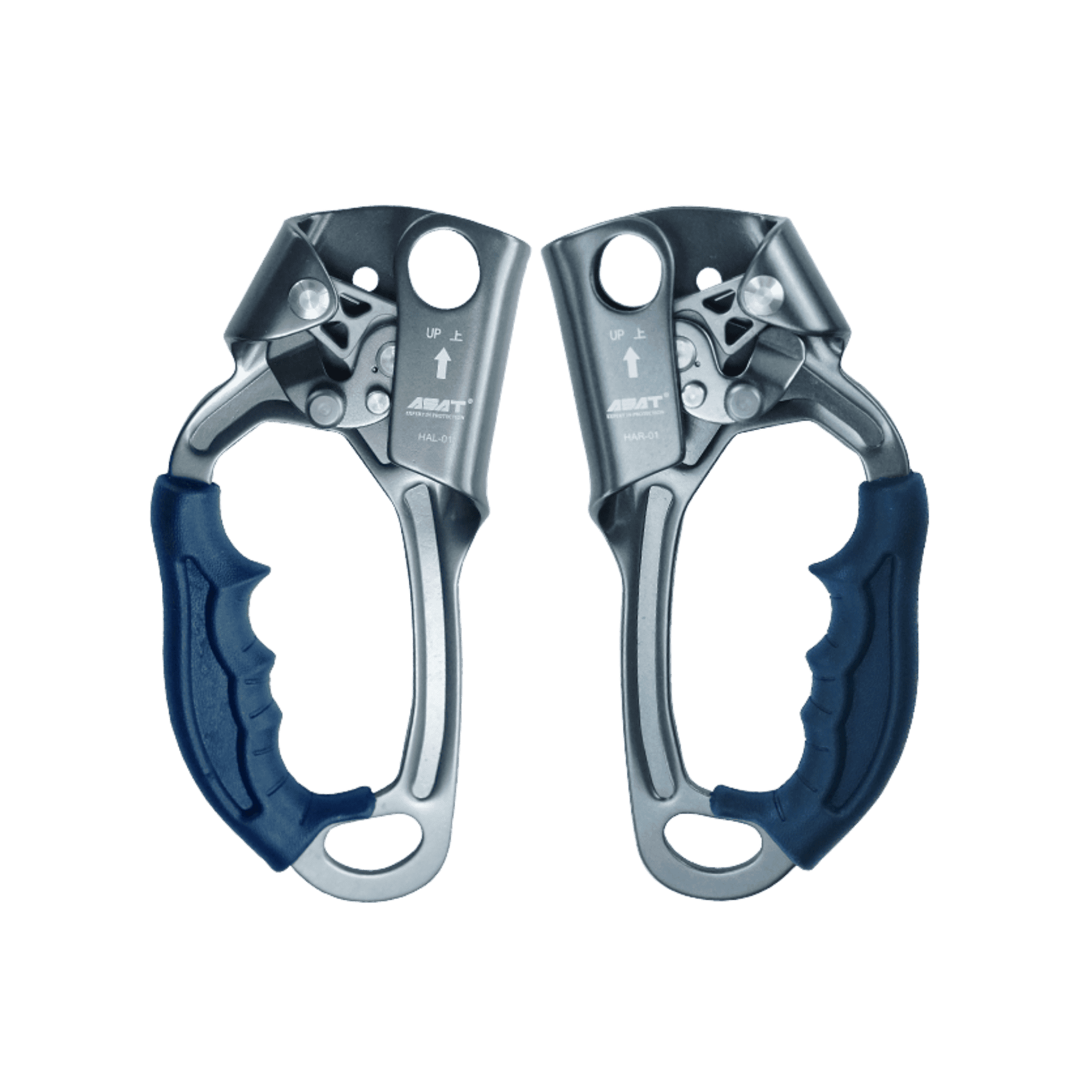
Handled rope clamp / hand ascender (EN 567), left or right
$95 USD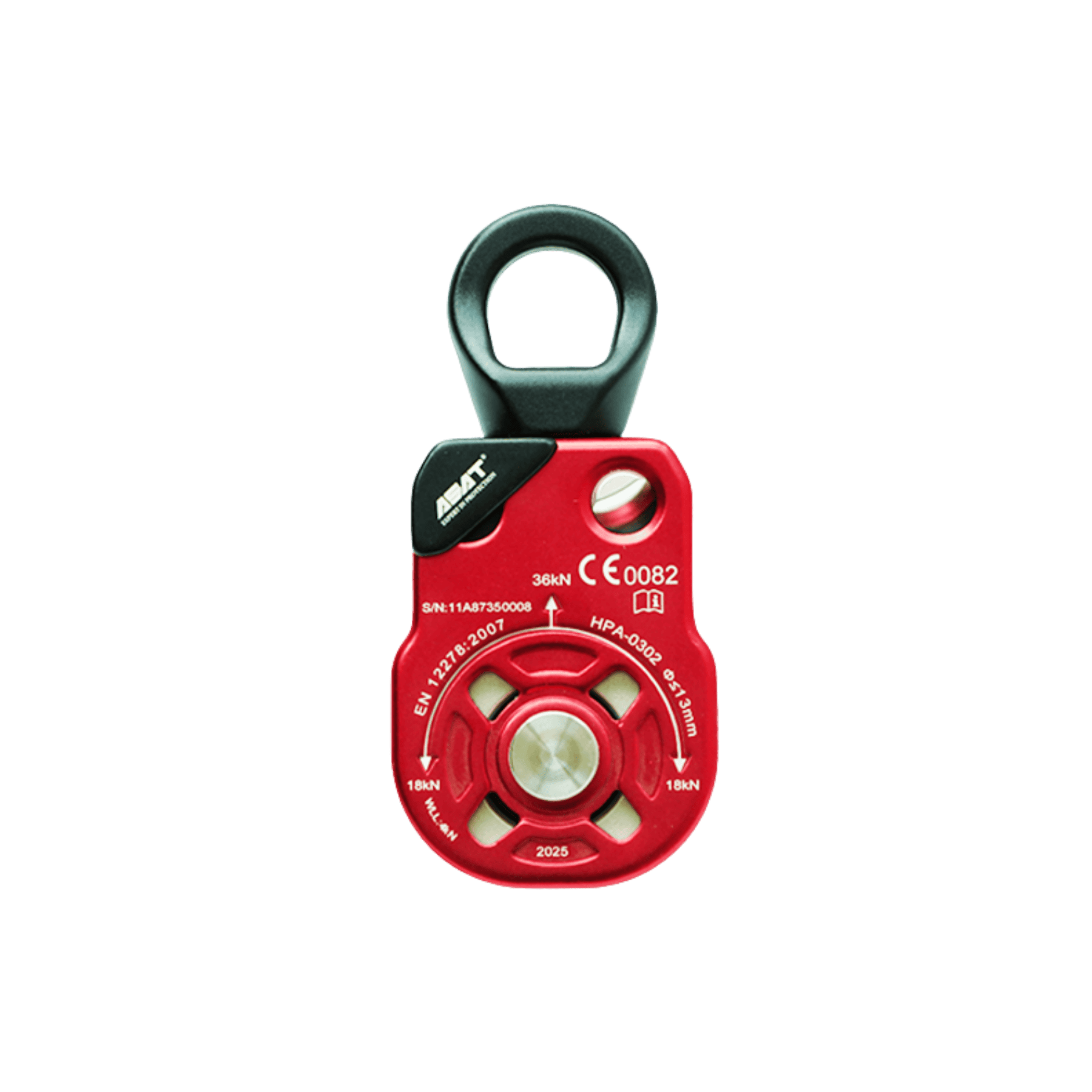 ASAT
ASAT
Single-sheave self-aligning swivel pulley (36 kN MBS)
$90 USD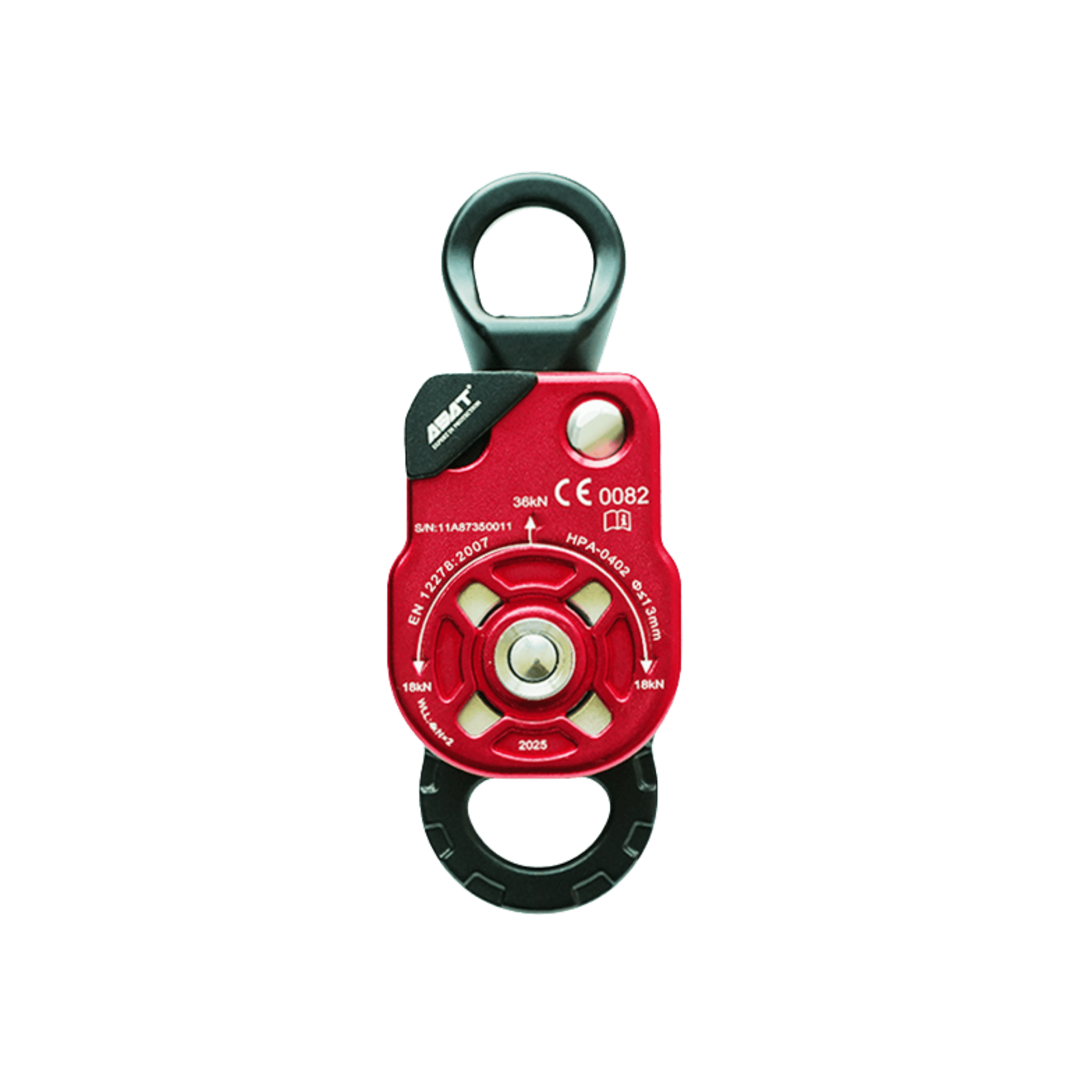 ASAT
ASAT
Double (twin-sheave) self-aligning swivel pulley (36 kN MBS)
$115 USD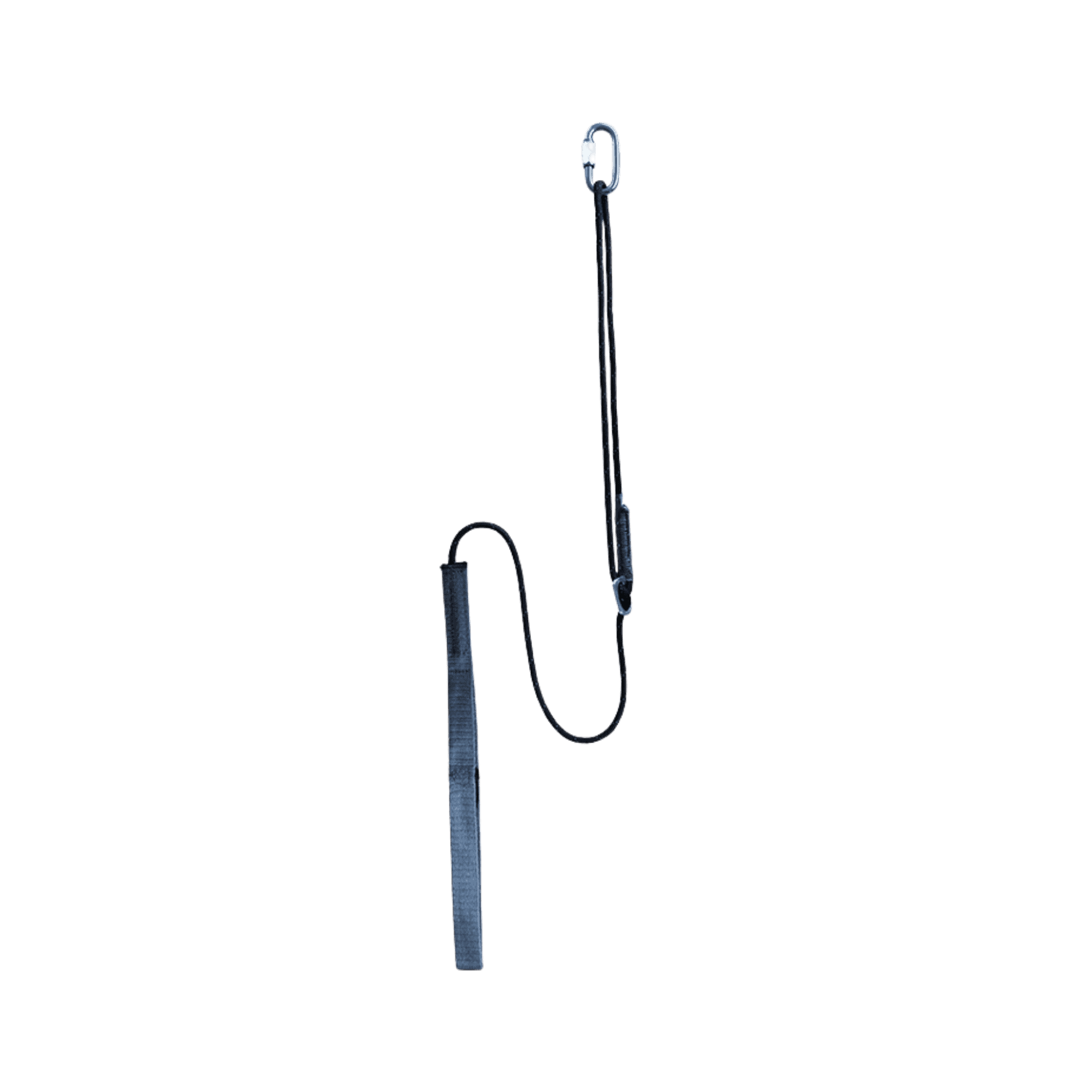 ASAT
ASAT
Adjustable webbing foot loop / etrier for rope ascent
$20 USDPulleys for building hauling systems: single pulleys, single and double pulleys with integrated swivels, and knot-passing pulleys for when two ropes have to be joined to reach the depth. Standalone swivels for taking twist out of a loaded line. And the rope clamps that go with them — chest ascenders and handled ascenders for rope ascent and progress capture, plus foot straps.
If you are assembling a hauling or rescue system rather than replacing one item, tell us the rope diameter and the advantage you need. Sheave sizing, efficiency and clamp compatibility are easier to get right in one conversation than across three separate orders.
A hauling system multiplies the force applied to a load by routing the rope through pulleys. A simple 3:1 lets one person raise a load three people would otherwise struggle with — in theory. In practice every pulley in the system takes a share in friction, and a low-efficiency sheave can eat a meaningful part of the advantage the system was built to gain.
That is why sealed bearings matter on rescue and hauling pulleys. On a short lift the difference is academic; on a long raise with a casualty on the end, it is the difference between a system that works with the people present and one that does not.
A prusik-minding pulley has flat, wide side plates so a prusik hitch used as progress capture is pushed off rather than dragged into the sheave. Without it, the hitch jams into the pulley and the system stops at the worst moment.
Knot-passing pulleys have a sheave and frame that let a knot in the rope travel through, which matters when two ropes are joined to reach a depth no single rope covers.
Swivels stop a load spinning. On a suspended casualty or a long haul, rope twist accumulates and transfers into whatever is on the end of it, and a swivel is what breaks that chain.
Handled ascenders and chest ascenders grip the rope in one direction and slide in the other, which is what makes rope ascent possible. The toothed cam that grips is also what damages a rope when shock-loaded, so ascenders are for ascent and progress capture — not for fall arrest, where a device designed to arrest is required.
In a hauling system the same clamps serve as progress capture, holding what has been gained between pulls. The distinction to hold onto is that gripping a rope and arresting a fall are different duties with different devices.
EN 12278 covers pulleys, and EN 567 covers rope clamps, both within the mountaineering and rope access family. In North America, NFPA standards cover equipment for technical rescue. The classification and rating of a given device are on the device and in its instructions.
Sheave diameter relative to rope diameter affects both efficiency and rope wear: a rope bent tightly around a small sheave loses efficiency and takes more damage over time. Each pulley states the rope diameters it is designed for, and staying inside that range is what keeps both the stated efficiency and the rope's service life.
Its wide, flat side plates push a prusik hitch off the sheave instead of letting it be dragged in and jam. It is used where a prusik provides progress capture in a hauling system, so the haul can continue without the hitch fouling the pulley.
No. Ascenders grip the rope with a toothed cam designed for ascent and progress capture, and shock loading one can damage the rope. Fall arrest requires a device designed and certified for that duty, such as a guided-type fall arrester.
Every pulley in a hauling system loses part of the mechanical advantage to friction, and the losses compound. On a long raise or with a casualty on the line, a low-efficiency sheave can consume enough of the advantage to leave the team unable to complete the lift.
It stops accumulated rope twist transferring into the load. On a suspended casualty or a long haul, twist builds up and spins whatever is on the end of the rope; a swivel isolates the load from it.