
Anchor slings, straps and rigging plates for temporary and transportable anchor points. Cable, Dyneema, polyester and nylon, plus the hardware to build a system around them.
 CAMP
CAMP
 ASAT
ASAT
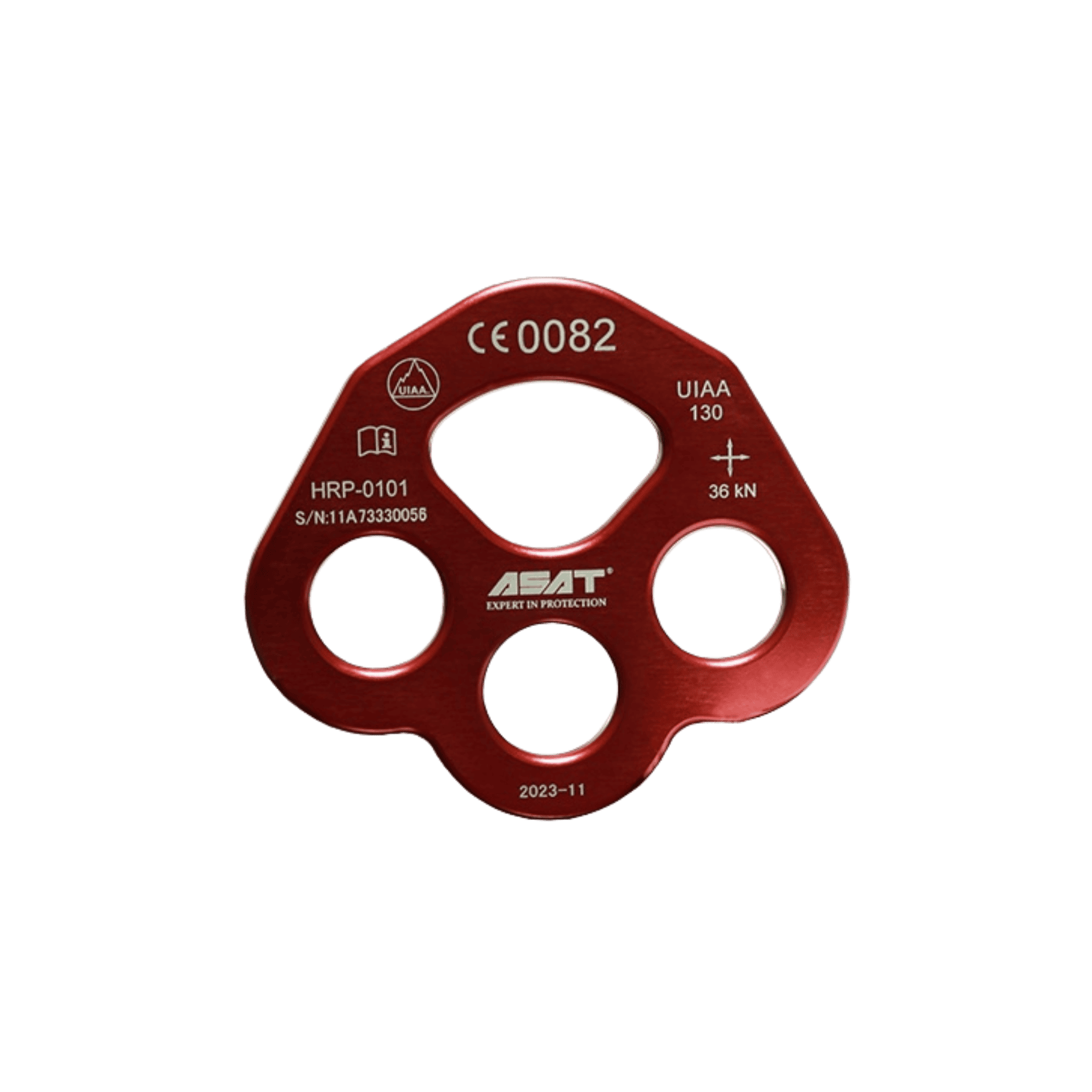
Aluminum multi-hole rigging plate, small (36 kN MBS)
$40 USD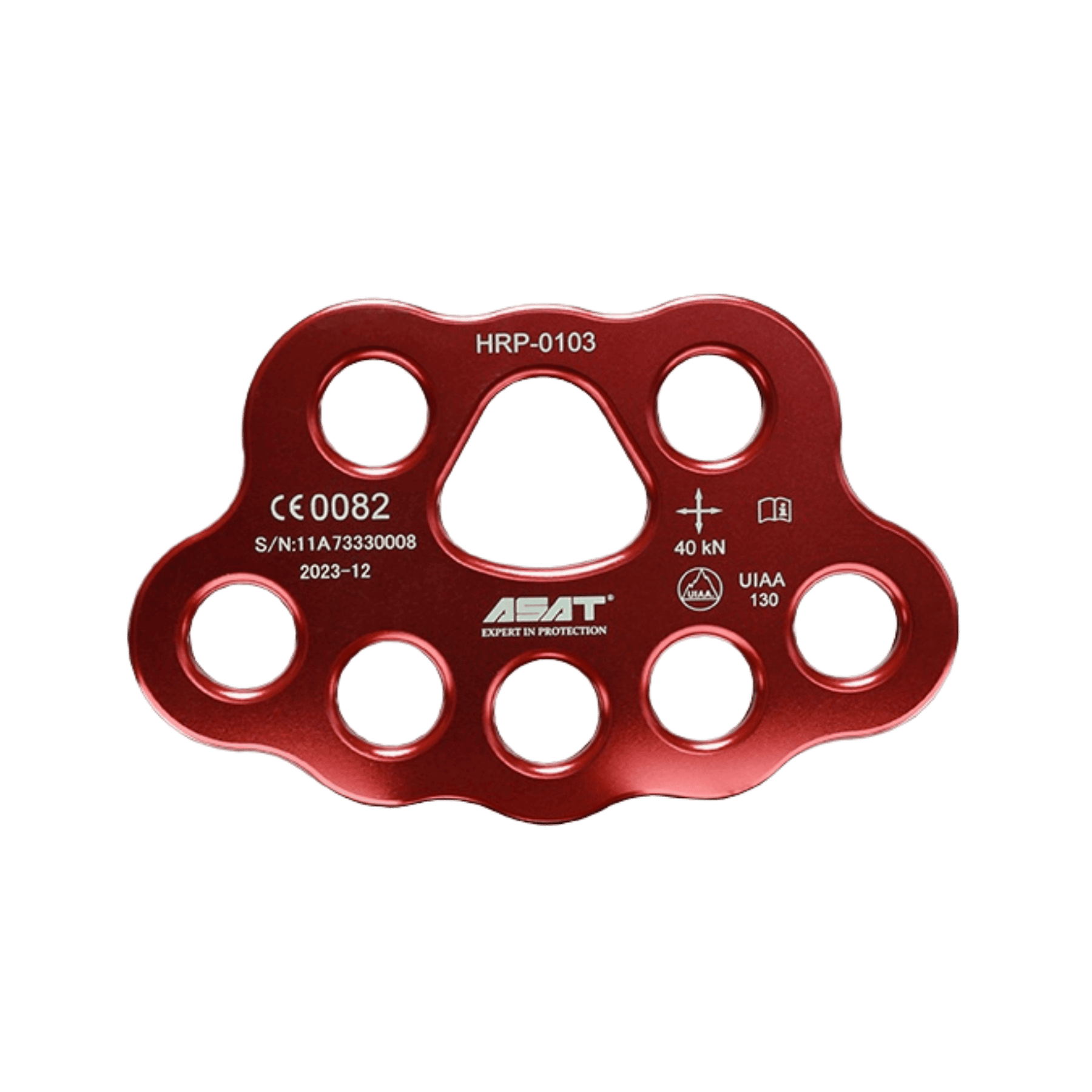 ASAT
ASAT
Aluminum multi-hole rigging plate, medium (40 kN MBS)
$55 USD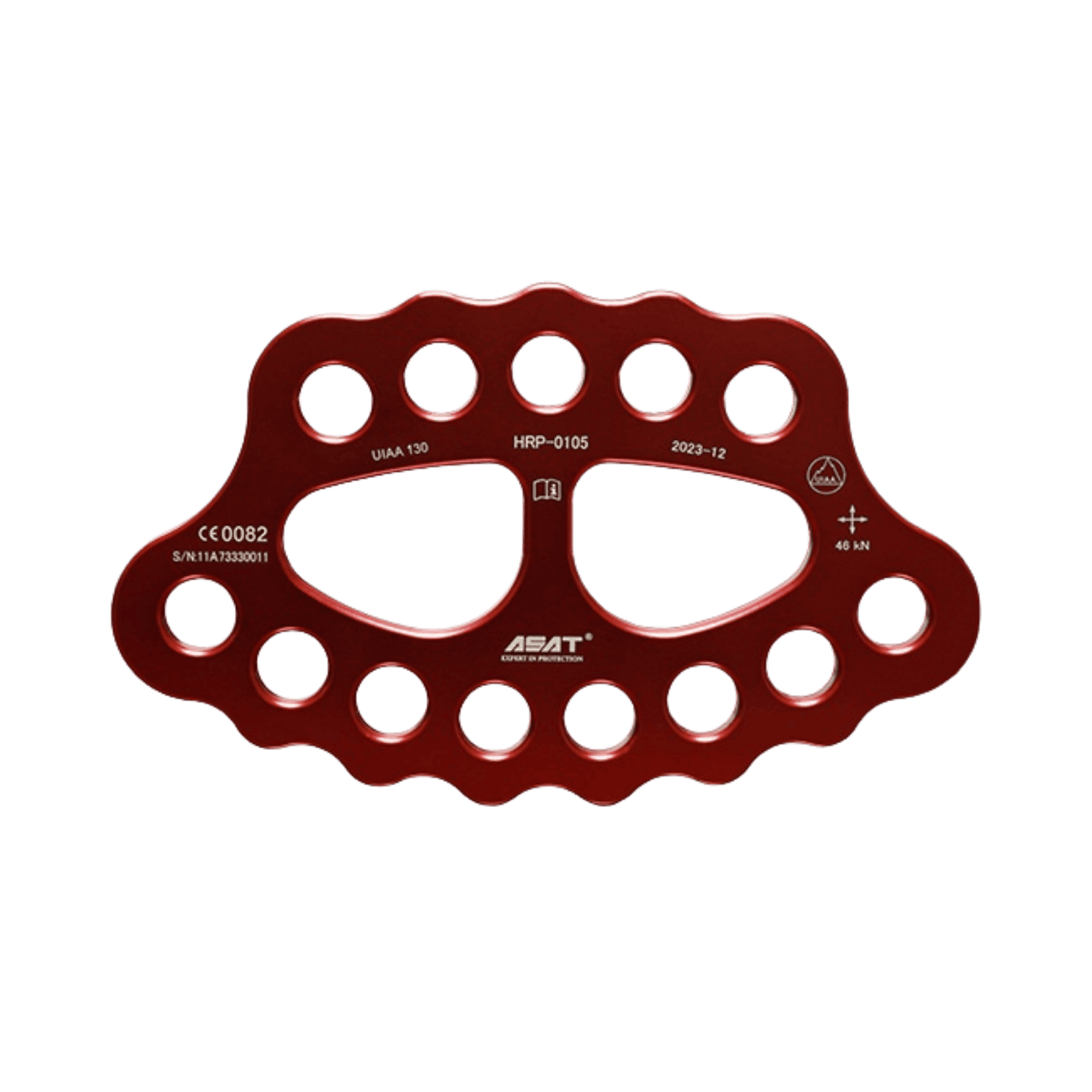 ASAT
ASAT
Aluminum multi-hole rigging plate, large (46 kN MBS)
$95 USD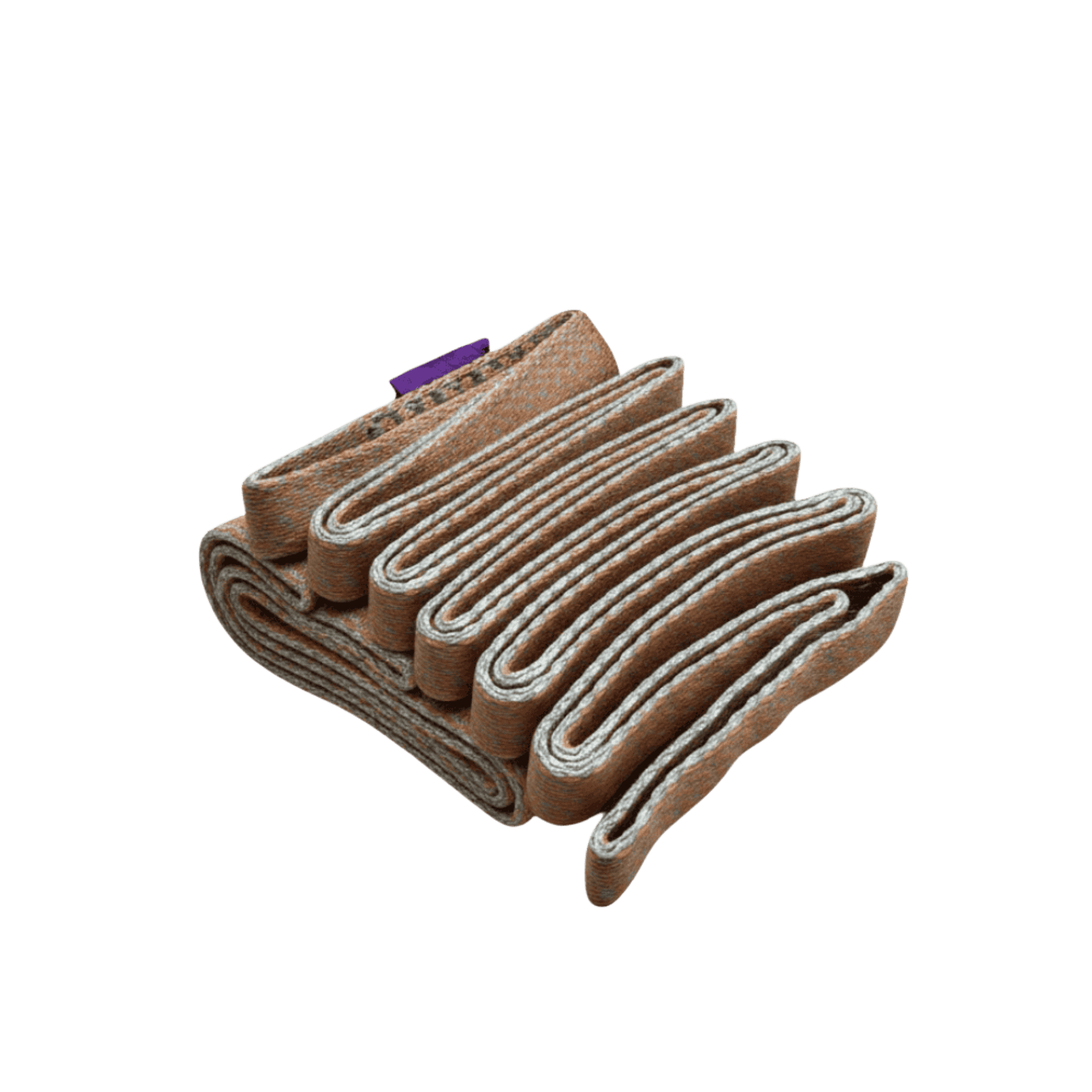 ASAT
ASAT
Ultra-light Dyneema sewn loop sling, 10 mm (22 kN, EN 566)
$10 USD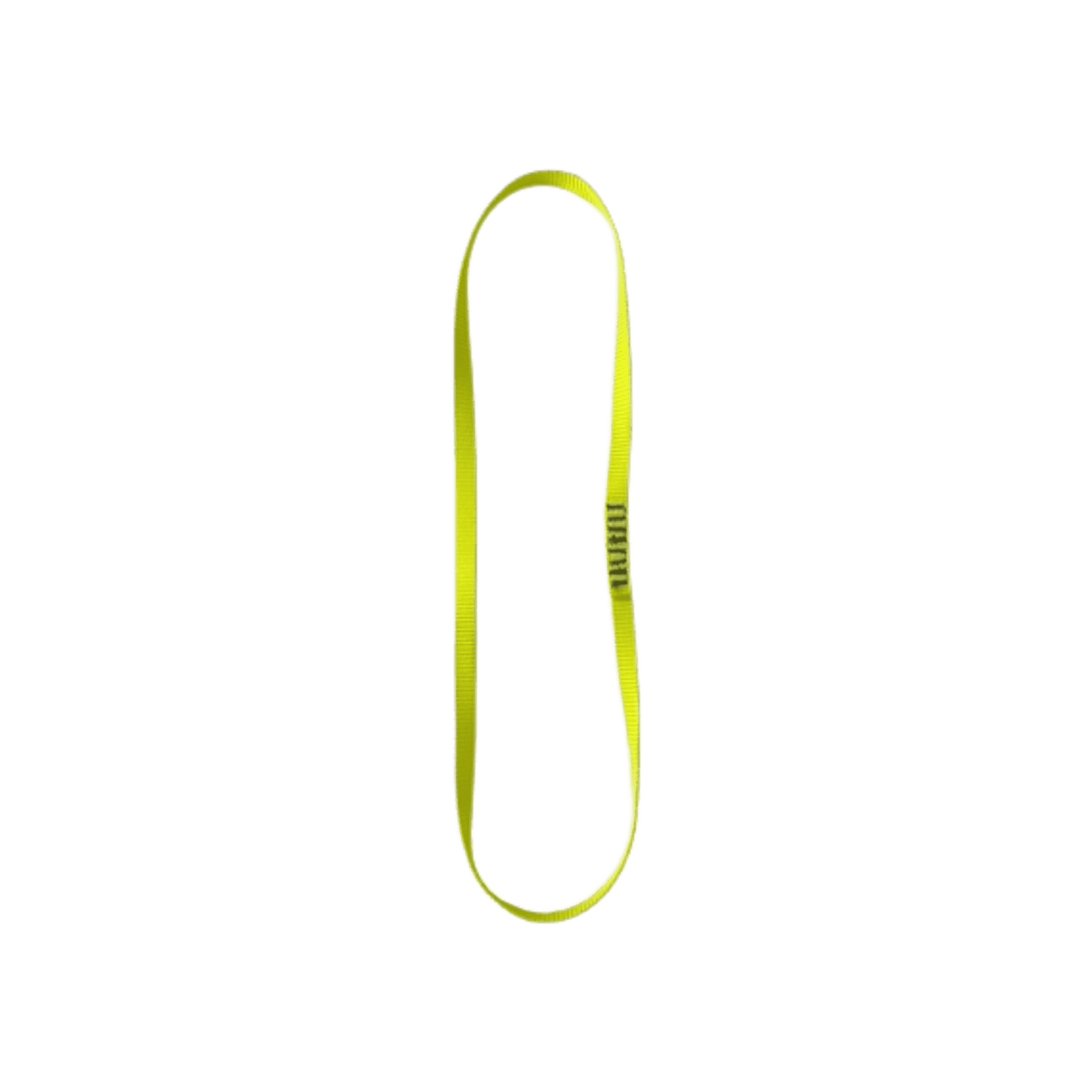 ASAT
ASAT
Polyester sewn loop sling, 16 mm (25 kN, EN 566)
$5 USD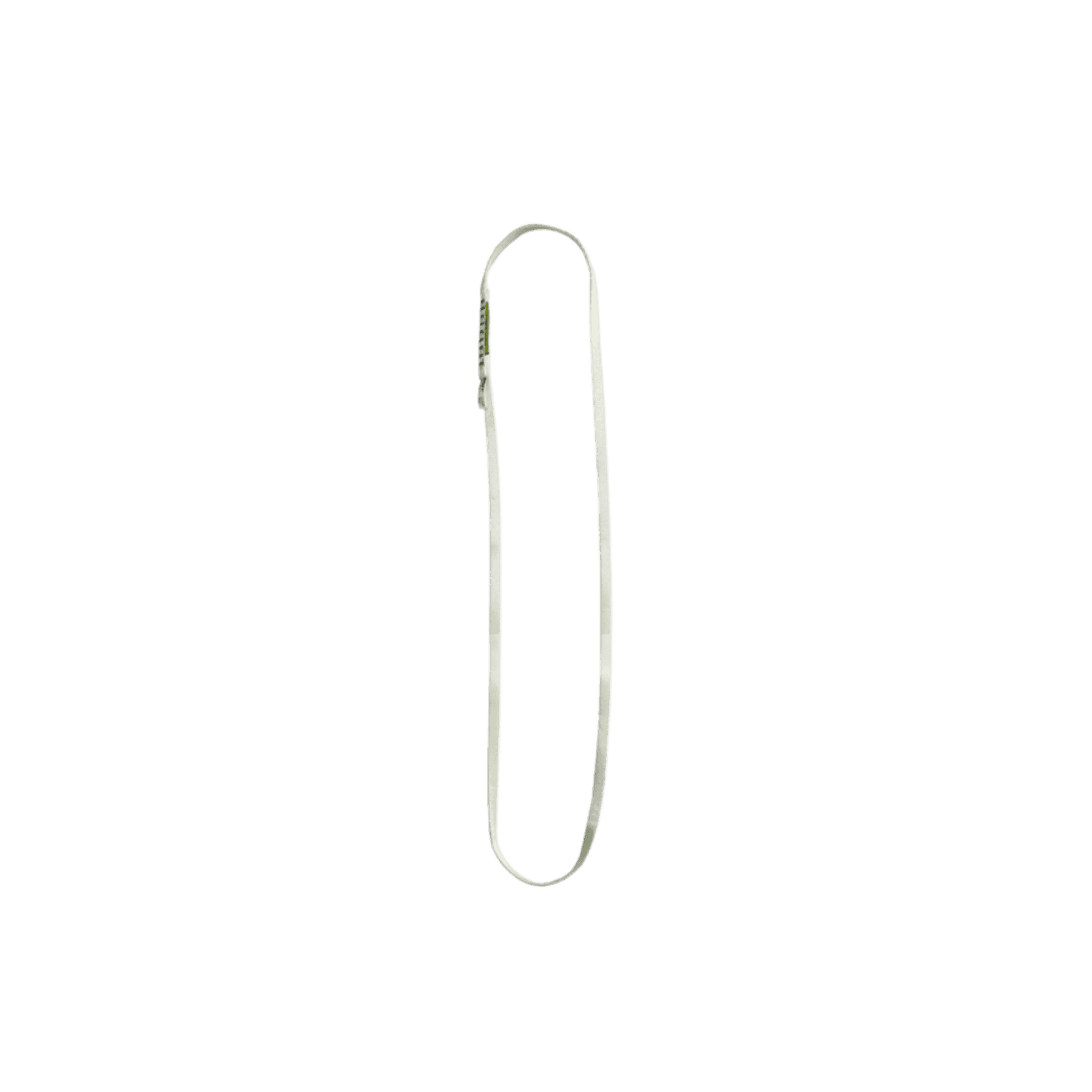 ASAT
ASAT
High-strength Dyneema sewn loop anchor sling, 17 mm (40 kN)
$20 USD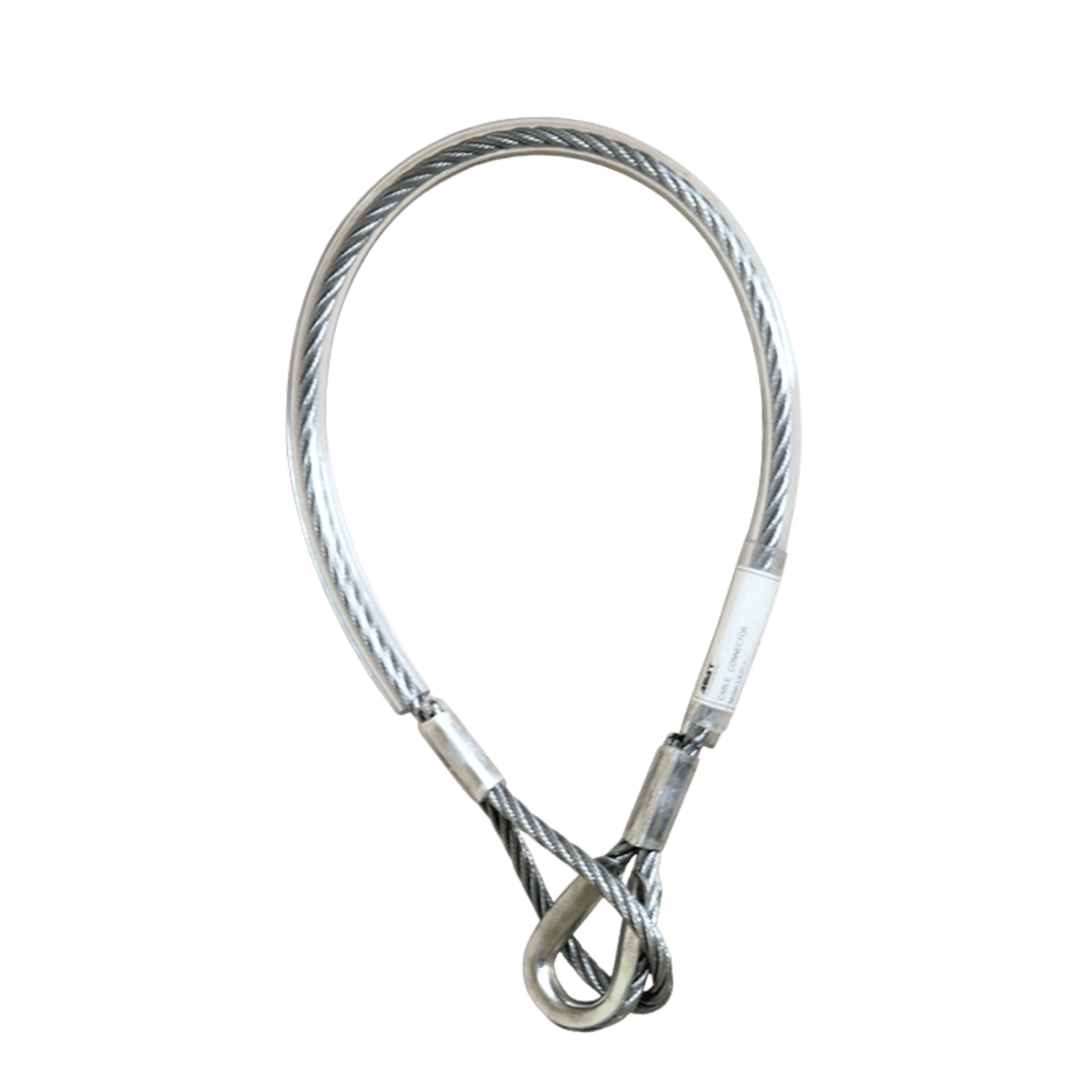 ASAT
ASAT
316 stainless-steel wire rope sling, 8 mm — EN 354
$38 USDAnchor slings in the four materials that cover the range of anchor points: cable slings where the structure itself would cut webbing, Dyneema loops where weight on the harness matters, polyester as the general-purpose workhorse, and nylon where a little give is welcome. Alongside them, rigging plates in three sizes for turning one anchor into an organised set of attachment points.
The choice is usually made by the anchor point rather than by preference. Tell us what you are wrapping — sharp steelwork, a column, a beam, broken concrete — and we will point you at the sling that survives it.
Every fall protection and rope access system ends at an anchor, and no component above it can be stronger than what it is attached to. That makes anchor selection the first decision in rigging rather than the last, and it is the one most often made from what happens to be in the bag.
An anchor sling does not create strength; it transfers load into a structure that must already be capable of taking it. Assessing whether that structural point is adequate is an engineering judgement about the structure, separate from the rating of the sling wrapped around it.
Polyester slings are the general-purpose choice: stable, resistant to moisture, and inexpensive enough to treat as consumable when they take wear.
Dyneema and other high-modulus polyethylene slings are far lighter and thinner for the same rating, which is why rope access teams carry them. They have very low stretch, which means they absorb almost nothing in a shock load, and a low melting point, so they are not the choice near heat or friction.
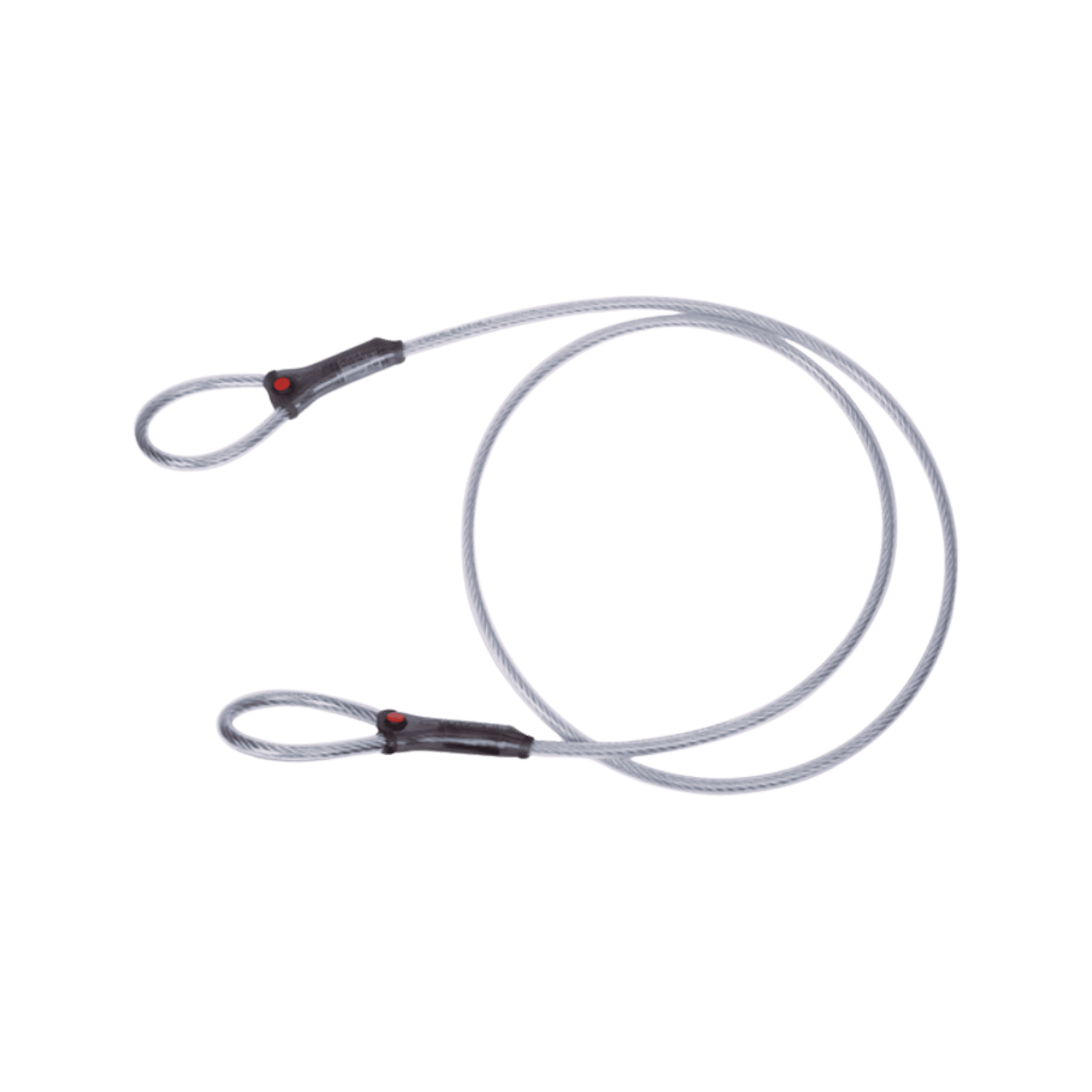
Cable anchor slings resist abrasion and cutting where a textile sling would be destroyed — sharp structural steel, damaged concrete, anywhere the anchor point itself is the hazard.
A rigging plate turns one anchor connection into an organised set of attachment points. Instead of stacking several connectors into a single anchor karabiner, where they can cross-load each other and rotate unpredictably, each line gets its own hole in a plate that holds its geometry.
That is a working-position problem as much as a strength one: on a rescue haul or a multi-line rope access setup, knowing which line is which and keeping them from fouling is what makes the system operable under load.
EN 795 covers anchor devices and sorts them into five types, and the type tells you how the anchor is meant to be installed: Type A needs fixing to the structure, Type B does not and is the transportable case, Type C is a flexible horizontal line, Type D a rigid horizontal rail, Type E a deadweight anchor relying on its own mass and friction. EN 566 covers slings for mountaineering. In North America, ANSI/ASSP Z359.18 covers anchorage connectors. Which classification applies to a given sling or strap is stated in its documentation.
In the United States the number to know is OSHA's: an anchorage for personal fall arrest must support 5,000 lbf per attached worker, or else be designed, installed and used under the supervision of a qualified person as part of a system maintaining a safety factor of at least two. That figure is regulation, from 1926.502(d), and it is what a structural point has to be capable of before any sling is wrapped around it.
The angle between the legs of a two-leg anchor matters more than most people expect: as the angle widens, the force in each leg rises above the load being held, and at wide angles it rises steeply. Keeping angles narrow is basic rigging discipline rather than a refinement.
Textile slings are inspected before each use for cuts, abrasion, heat glazing, chemical staining and UV degradation, and withdrawn on any of them. Unlike metal hardware, a textile sling gives little warning.
An anchor sling wraps or attaches to a structure to create an anchor point. A lanyard connects the worker's harness to that anchor. They sit on opposite ends of the same system and are certified under different standards.
Where the anchor point itself would damage a textile sling — sharp structural steel, rough or broken concrete, or any edge that would cut or abrade webbing. Cable resists that far better; textile slings are lighter and easier to handle everywhere else.
As the angle between the legs widens, the force in each leg increases above the load being supported, and the increase becomes steep at wide angles. Keeping the angle narrow keeps the force in each leg close to the load, which is why anchor geometry is planned rather than improvised.
EN 795 is the European standard for anchor devices, and Type B is the transportable case: an anchor with stationary anchor points that does not need fixing to the structure, brought to the workplace and removed afterwards. Type A is the one that does require fixing, Type C and D are horizontal lines and rails, and Type E is a deadweight anchor. The classification a specific device carries is stated in its declaration of conformity.