
Power ascenders and support equipment for tactical, firefighting, military and rescue teams. Rapid vertical access, casualty raising and confined space entry, built for kit that gets carried.
 KMA
KMA
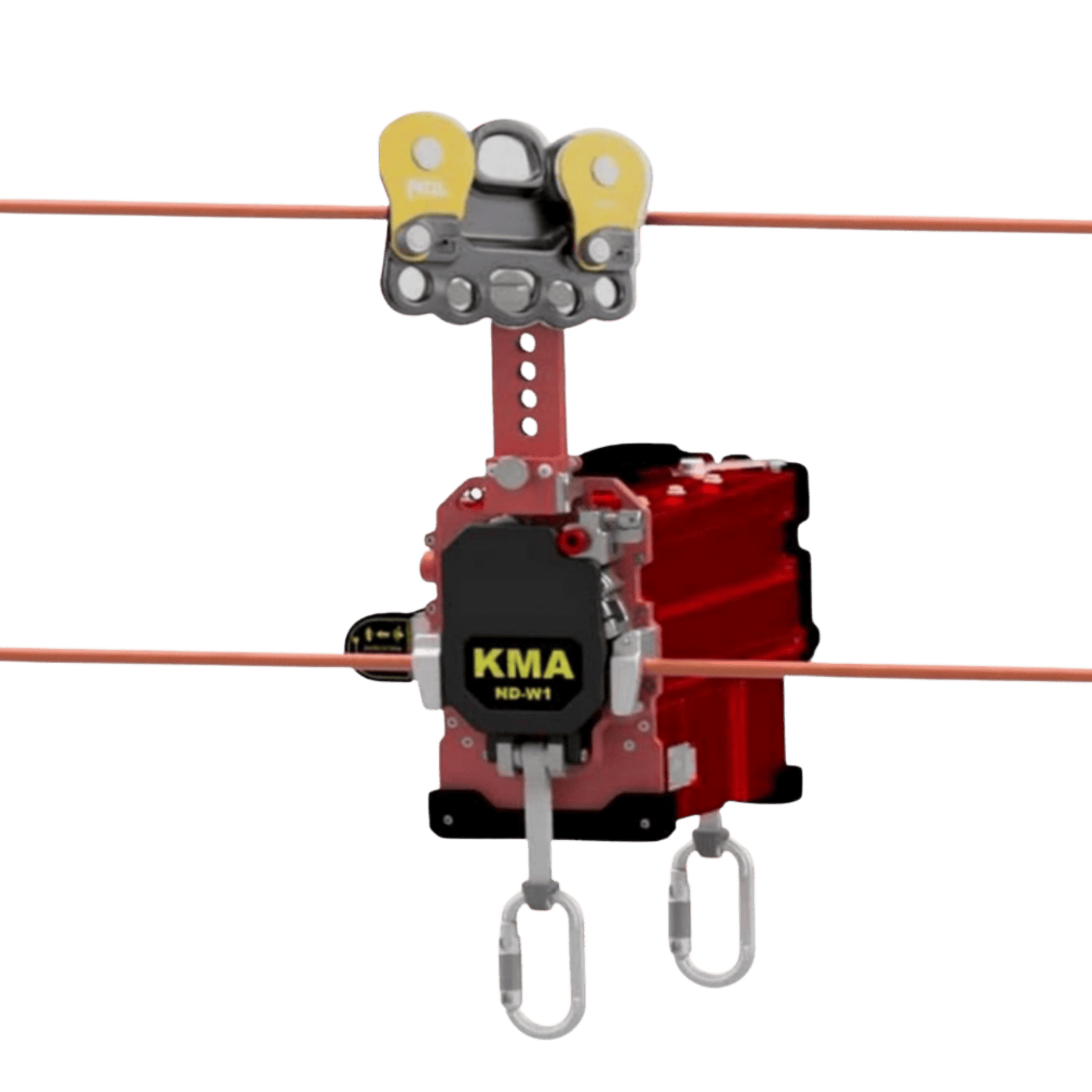
Horizontal movement guide for the KMA power ascender system
Request a Quote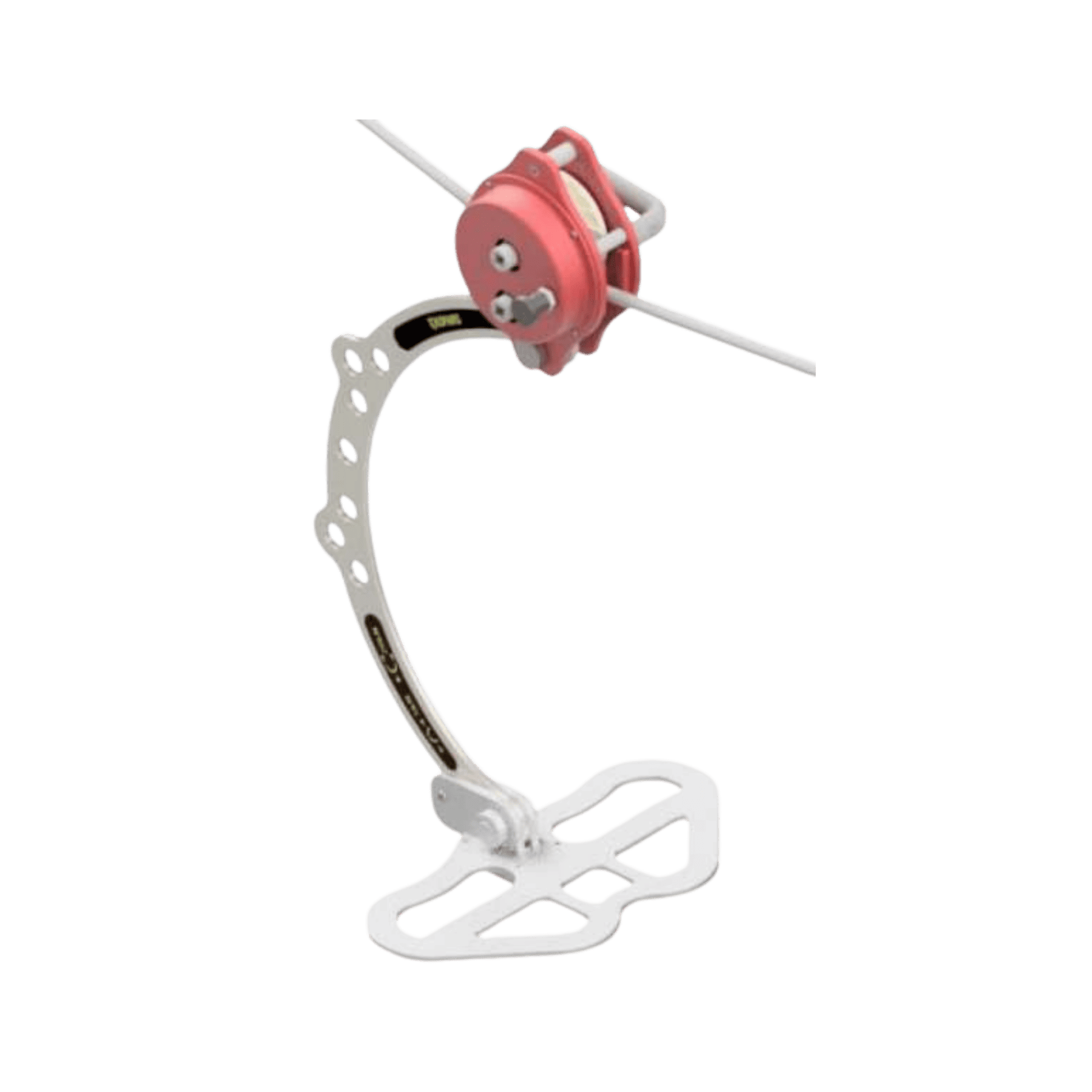 KMA
KMA
Horizontal rescue module for the KMA power ascender system
Request a Quote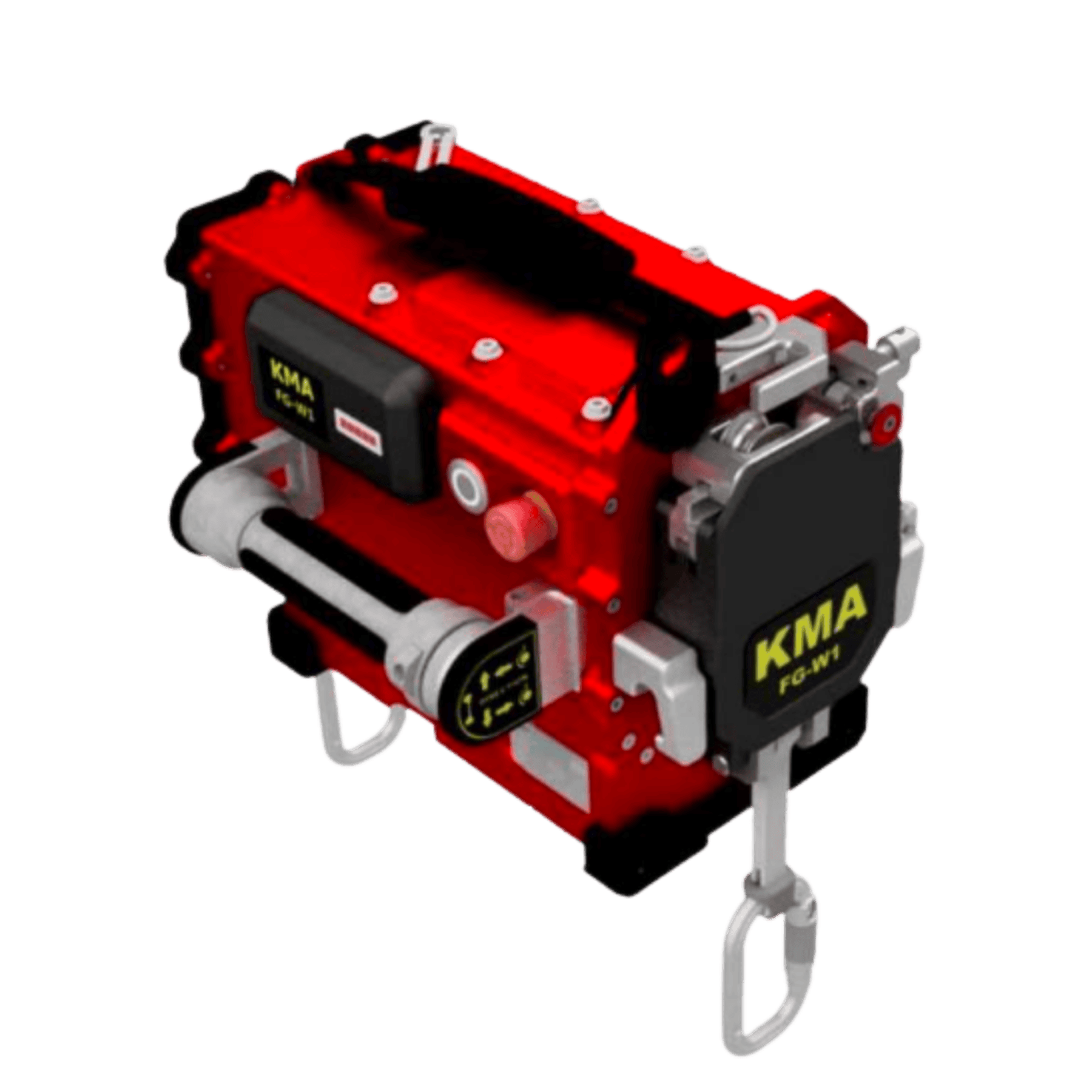 KMA
KMA
≈15 kg · 110–200 kg WLL · IP66 · 100 m remote · Firefighting
$22,150 USD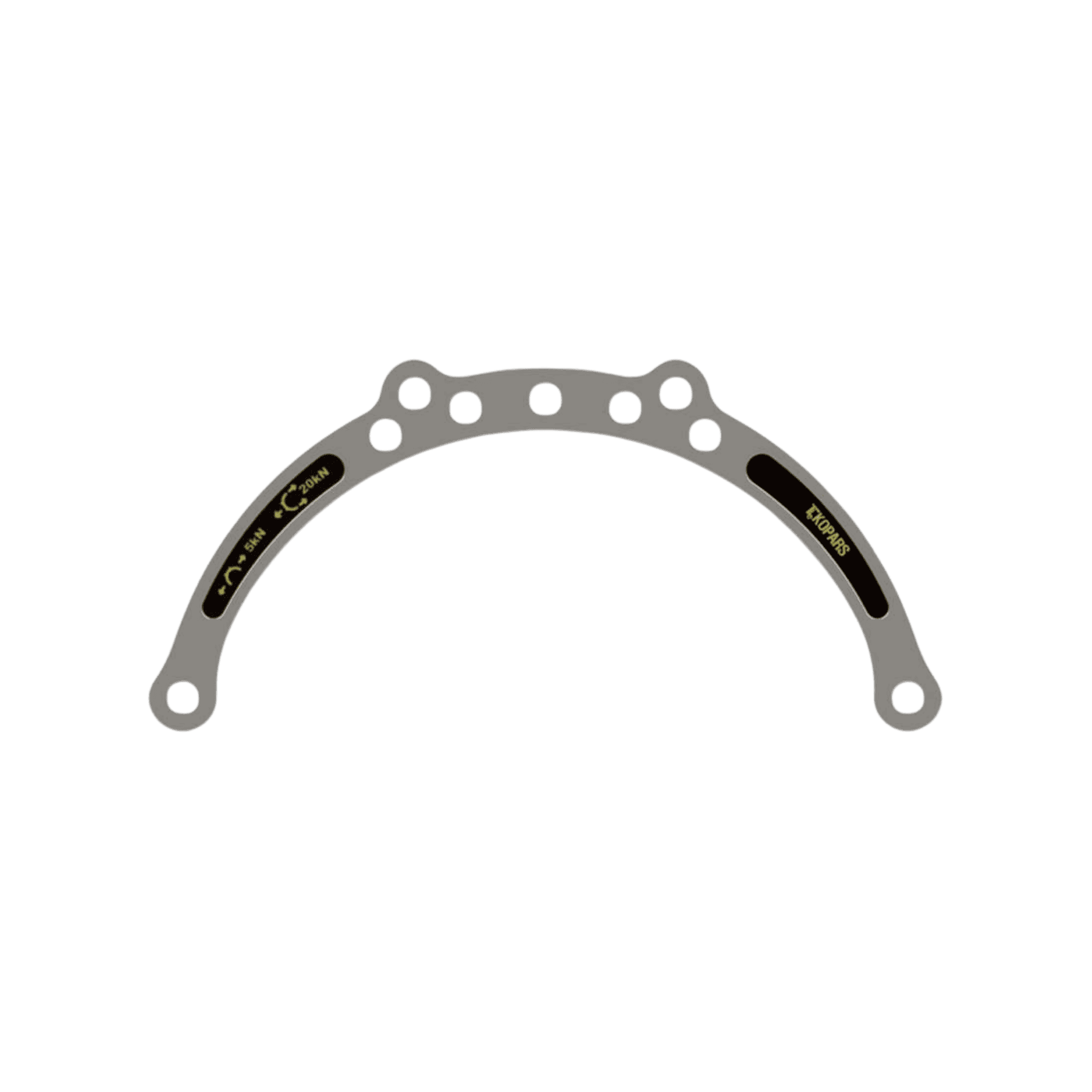 KMA
KMA
Multi-purpose bar accessory for the KMA power ascender system
Request a Quote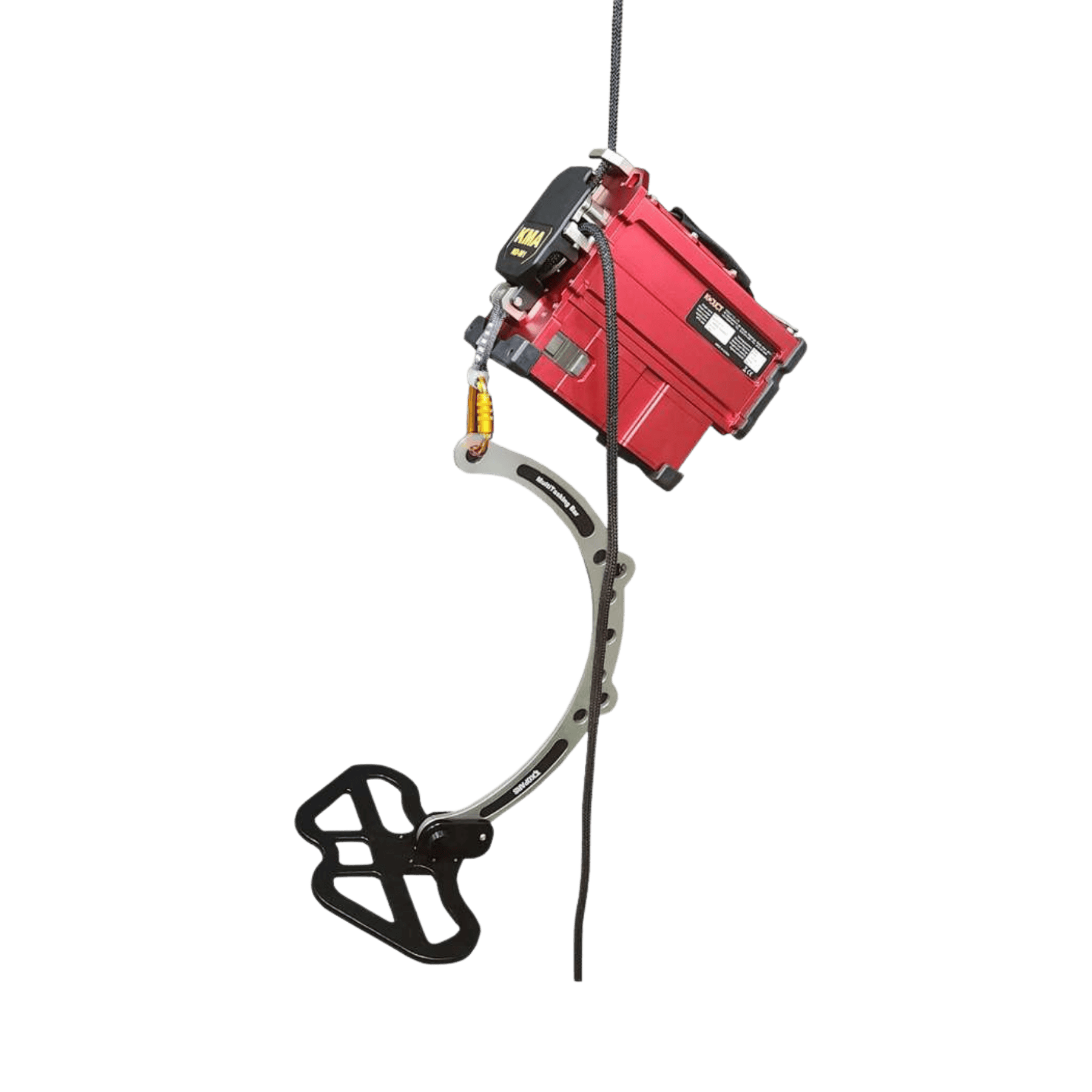 KMA
KMA
Quick-attach seat accessory for the KMA power ascender system
Request a Quote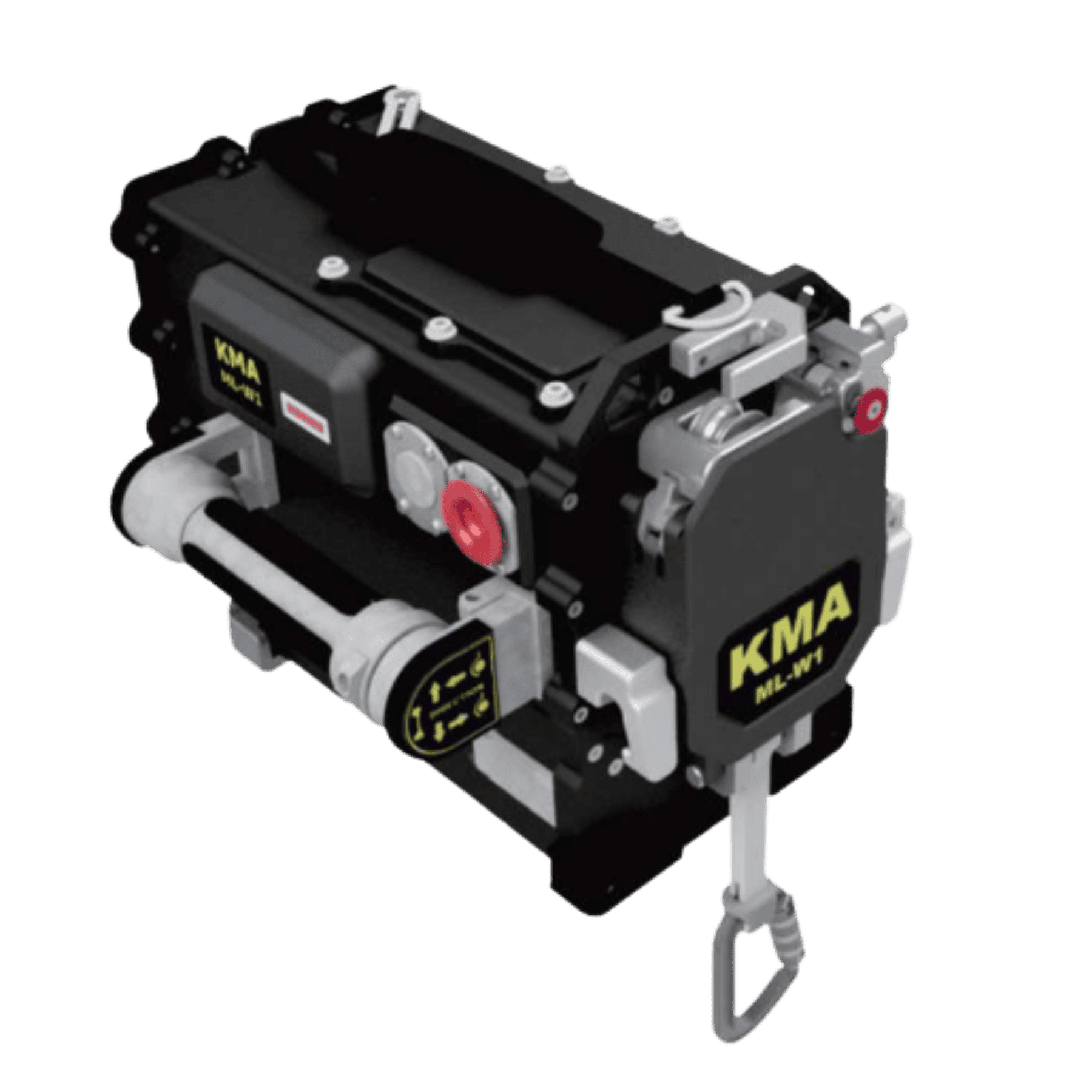 KMA
KMA
≈15 kg · 110–200 kg WLL · IP68 · 100 m remote · Tactical & military
Request a Quote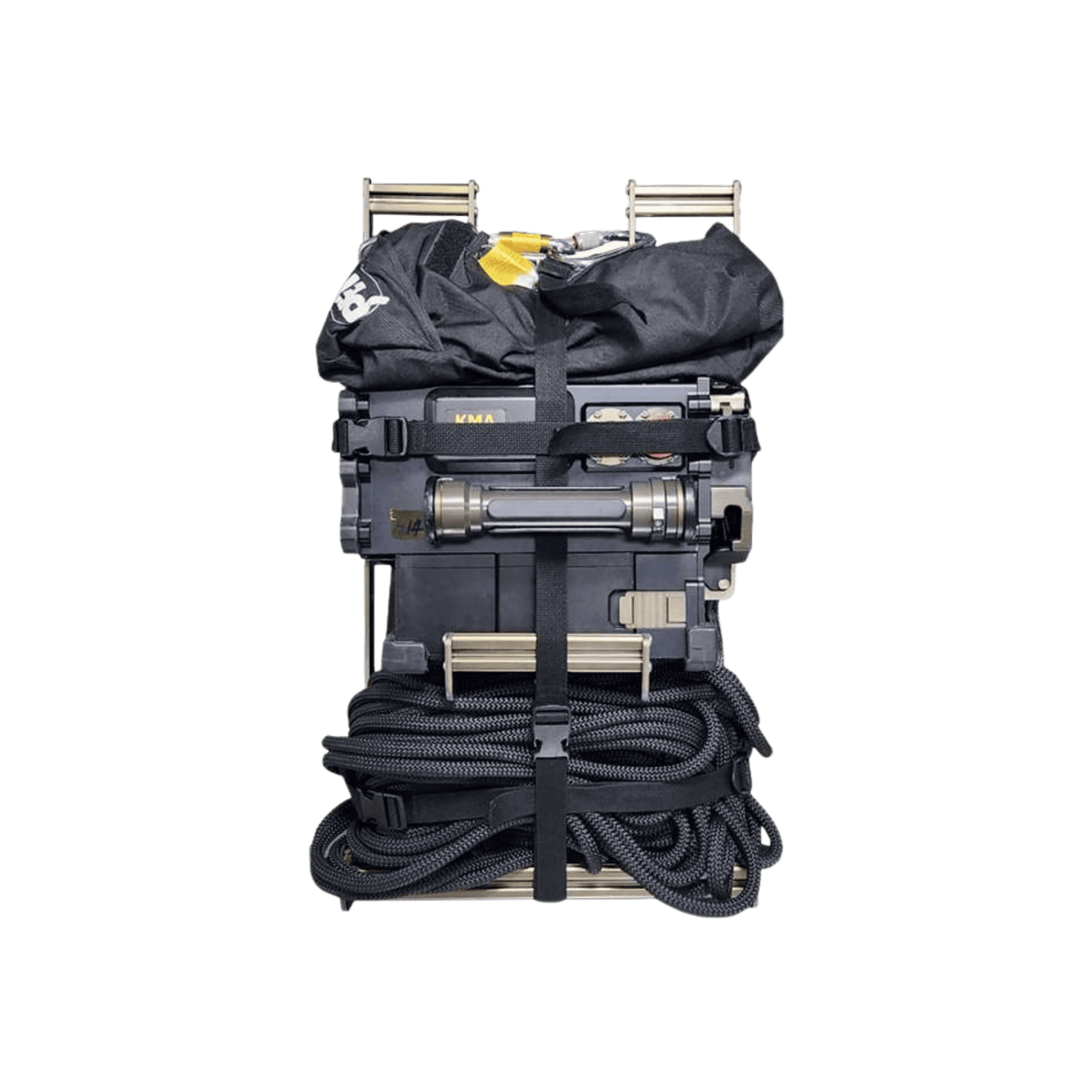 KMA
KMA
Backpack frame for transporting the KMA power ascender system
Request a Quote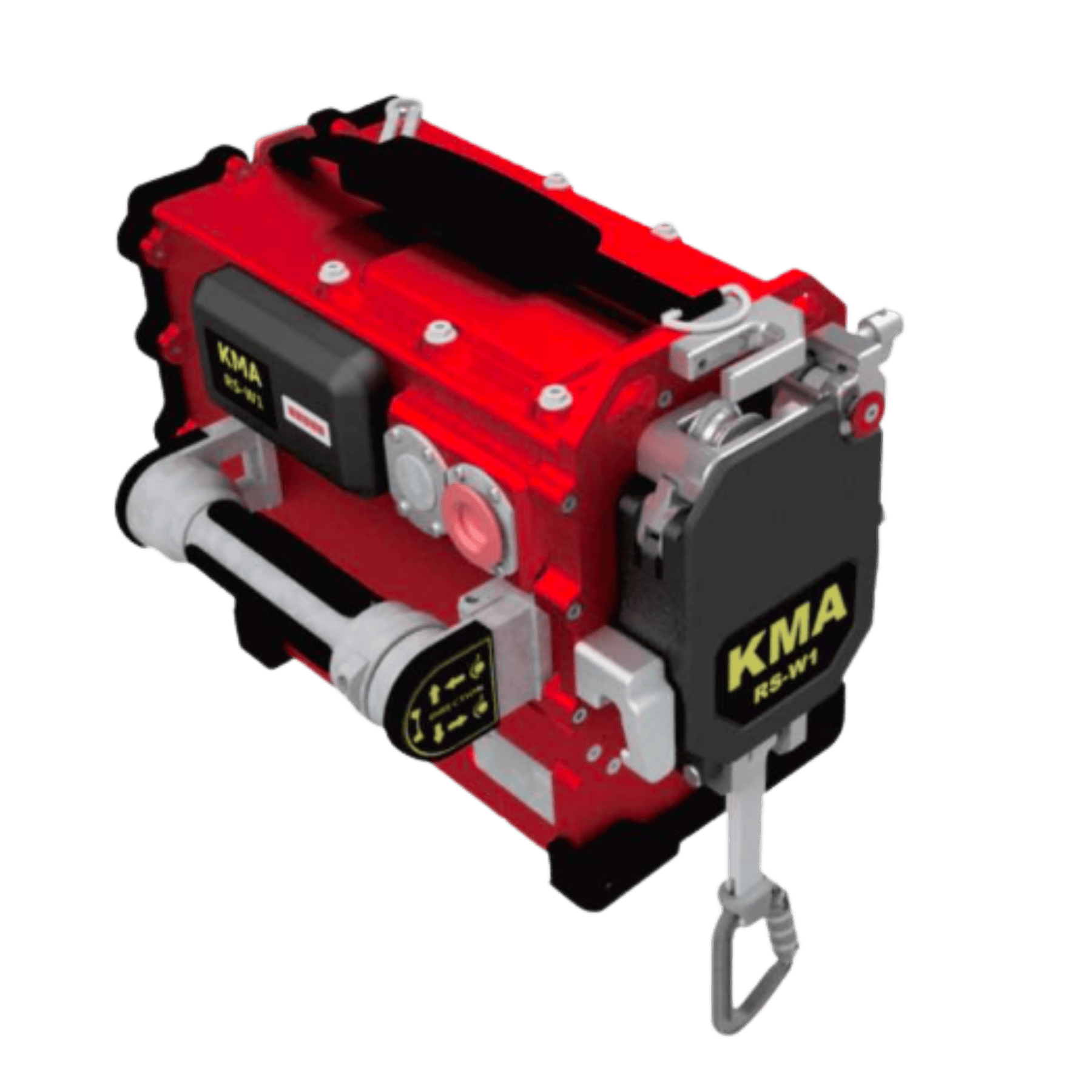 KMA
KMA
≈15 kg · 110–200 kg WLL · IP67 · 100 m remote · Rescue
Request a Quote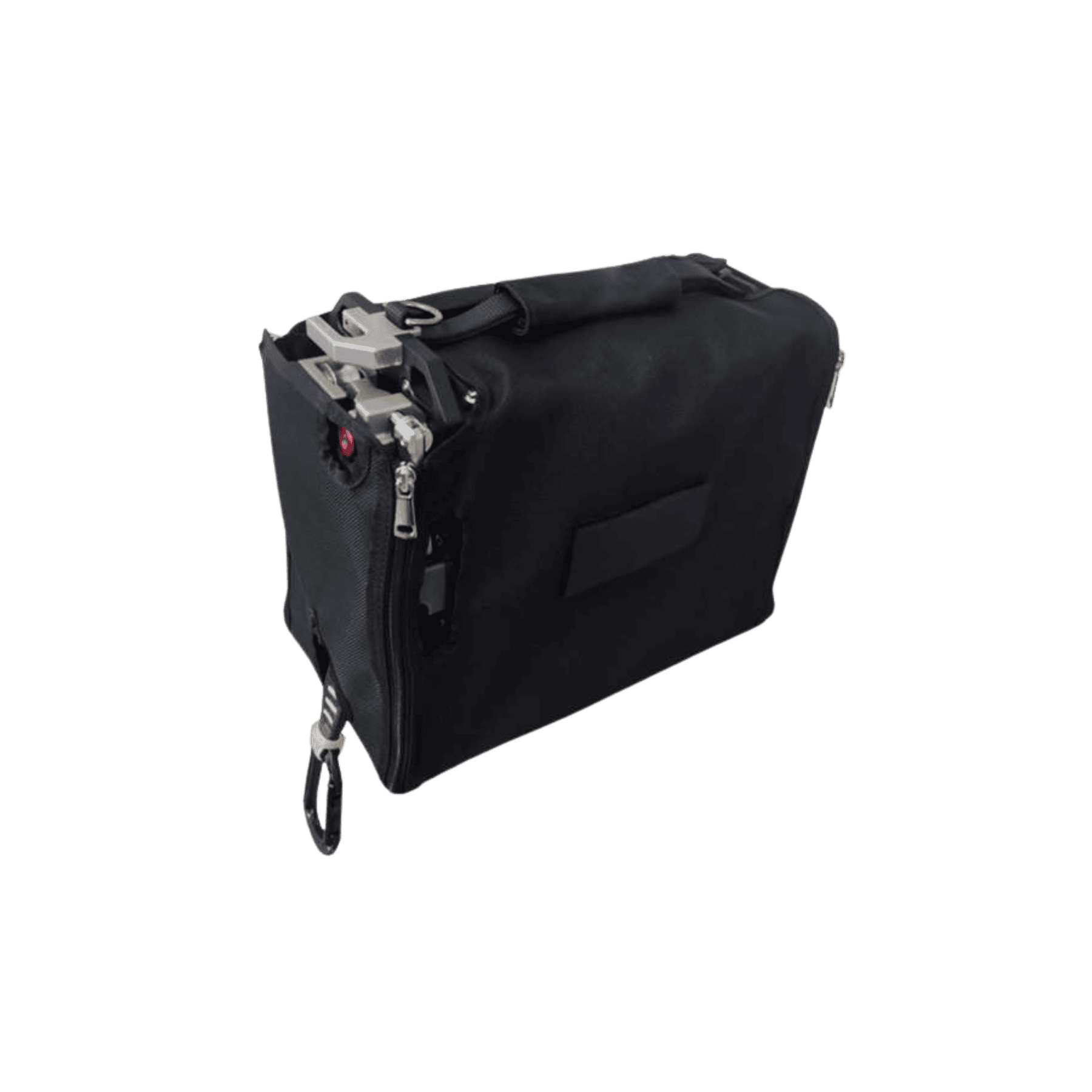 KMA
KMA
Protective cover for the KMA power ascender
Request a Quote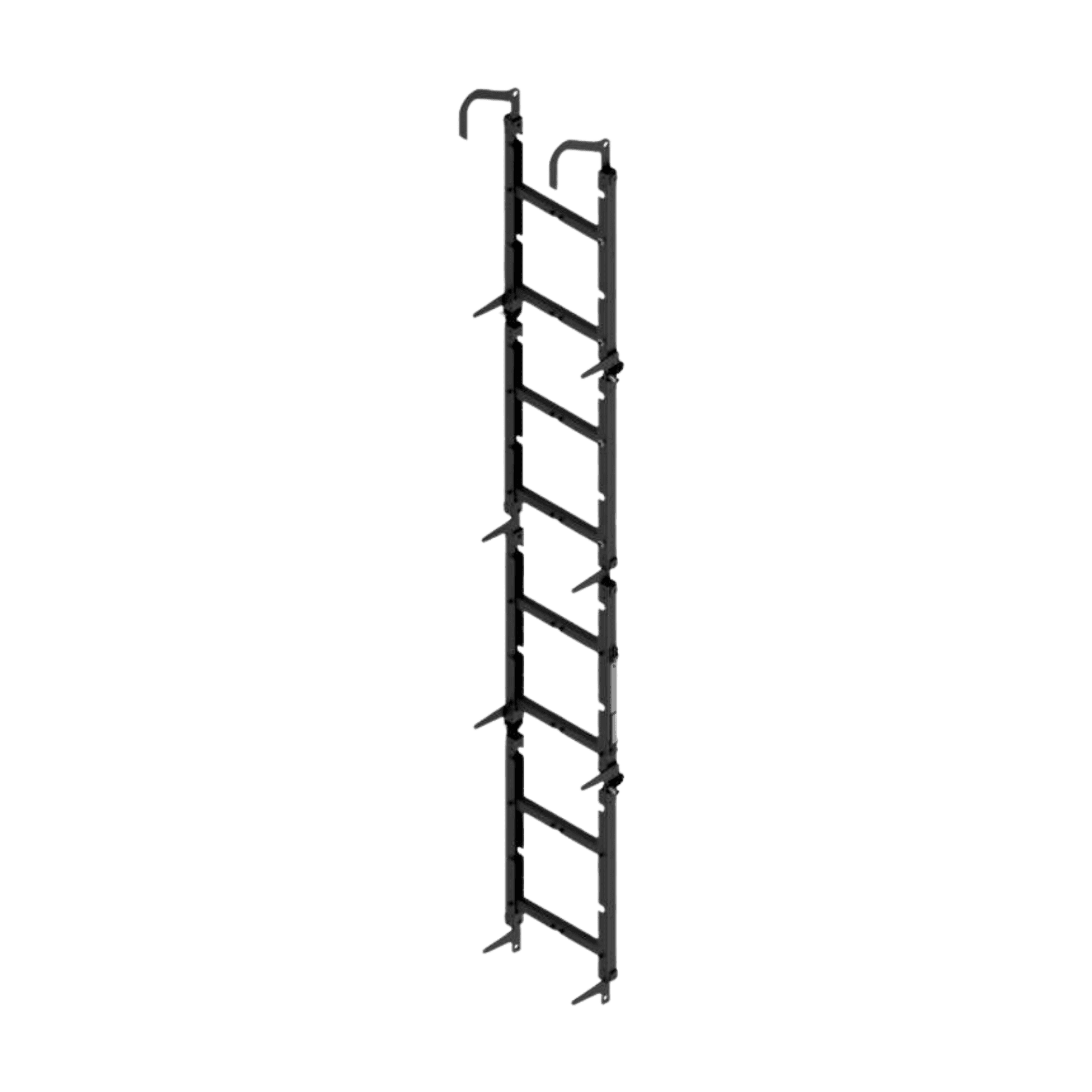 KMA
KMA
Folding tactical access ladder
Request a QuoteThe KMA power ascenders in their fire and rescue, tactical and military configurations, and the support equipment that turns one into a working system: horizontal movement guides and rescue horizontal modules for traversing rather than only ascending, multi-tasking bars and backpack frames for carrying it, quick seats, protective covers for equipment that lives in a vehicle, and a folding tactical ladder.
These are specified around a deployment rather than a shopping list. Tell us how the team arrives, what they carry, and what has to happen in the first two minutes, and we will put a set together.
Industrial rope access is planned. The team surveys the structure, rigs the system, and works it for a shift or a season. Tactical and emergency work inverts every one of those assumptions: the structure is unknown until arrival, the system is rigged under time pressure, and the equipment has been carried to get there.
That changes what matters in the equipment. Weight and packed size stop being conveniences and become operational limits. Set-up time counts in seconds rather than minutes. And the equipment has to work first time, cold, having been in a vehicle or on a back for months.
Powered ascent changes what a team can do on arrival. A technician can reach a working height in seconds instead of climbing, arrive without having spent their strength on the climb, and carry equipment or a casualty on the same line.
For fire and rescue that means reaching a casualty faster. For tactical entry it means arriving at height quietly and without the exposure of a ladder. For military use it means the same capability with kit that survives being carried and stored between uses.
Getting a person out is harder than getting a person in, and it is the part of the job that decides equipment selection. A rescue load is heavier than a working load, the person being raised is not helping, and the raise happens under time pressure with whoever is present.
That is why powered lifting, rescue-rated attachment and horizontal movement equipment appear together in this collection: they are the parts of the same problem. Which devices are rated for lifting a person, and at what load, is stated in each product's own documentation — a device rated for materials is not automatically rated for personnel.
Equipment that lives in a vehicle spends most of its life not being used, then has to work immediately. Protective covers, cases and packs are part of that: they keep contamination out of mechanisms and let a team grab a complete set rather than assembling one.
Inspection matters more here than in daily-use environments, not less. Equipment used every day reveals its faults through use; equipment stored for months does not, which is why scheduled inspection regimes exist independently of usage hours.
The mechanism is the same. The differences are weight, packed size, set-up time and durability in storage, because tactical equipment is carried to the job and may sit unused for long periods before being needed immediately. Specific figures for any model come from its datasheet.
Some of it is designed for that, but lifting a person is a different duty from lifting a load and is covered by different standards. Which devices are rated for raising personnel, and at what load, is stated in each product's own documentation. Never assume a device inherits a rating from the system it is part of.
Because it describes how equipment is used rather than what the equipment is. A power ascender is a power ascender whether it is used on a wind turbine or in a rescue; this collection gathers the products suited to tactical and emergency work, and each also appears under its own product type.
On a schedule rather than by usage, because equipment that sits unused does not reveal faults through use. The interval is set by the regulations you work under and by the manufacturer's instructions, and applies whether or not the equipment has been deployed since the last inspection.