
Tool tethers, haul bags, rope protectors and edge rollers. The equipment that keeps tools from falling, ropes from failing and kit organised between jobs.
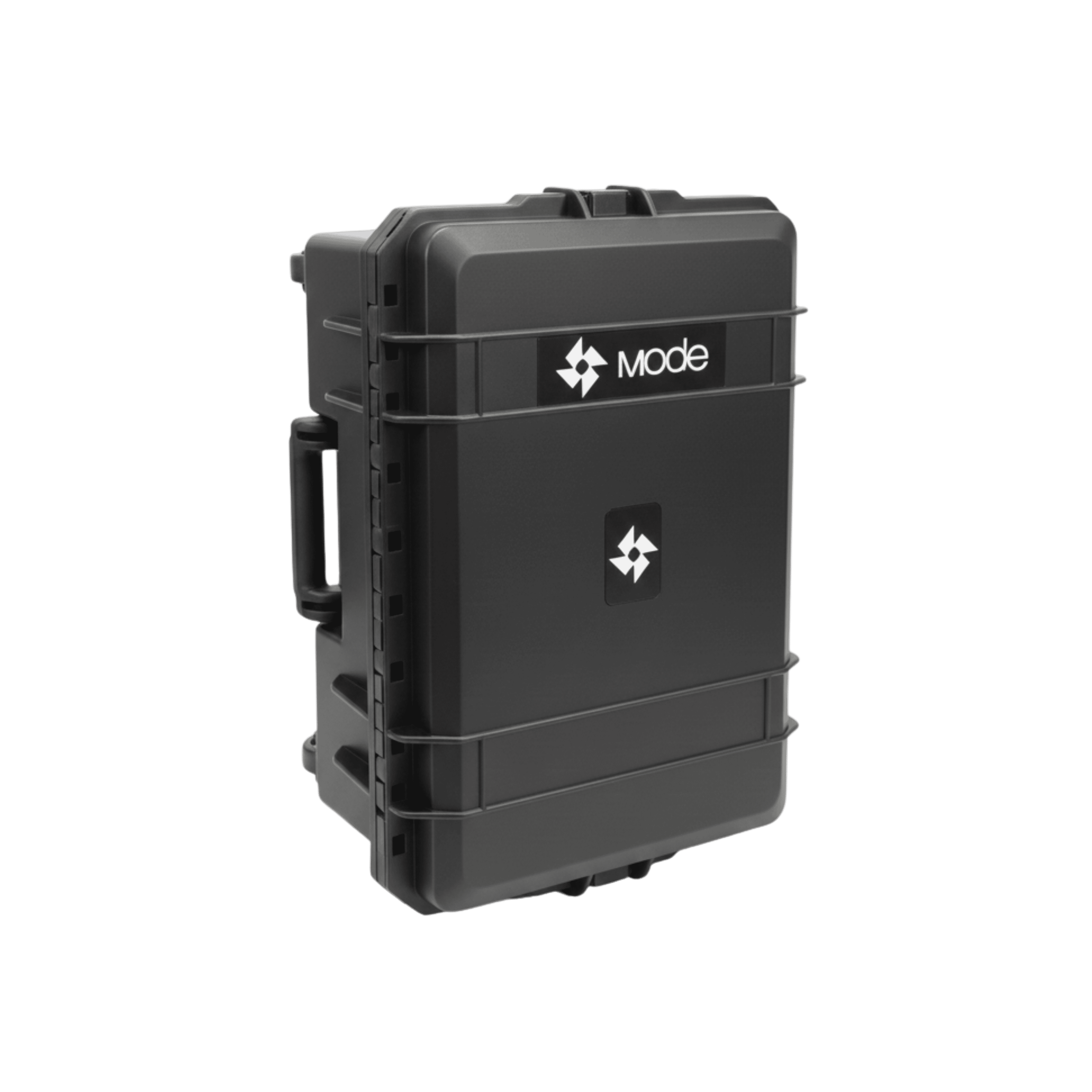 MODE
MODE
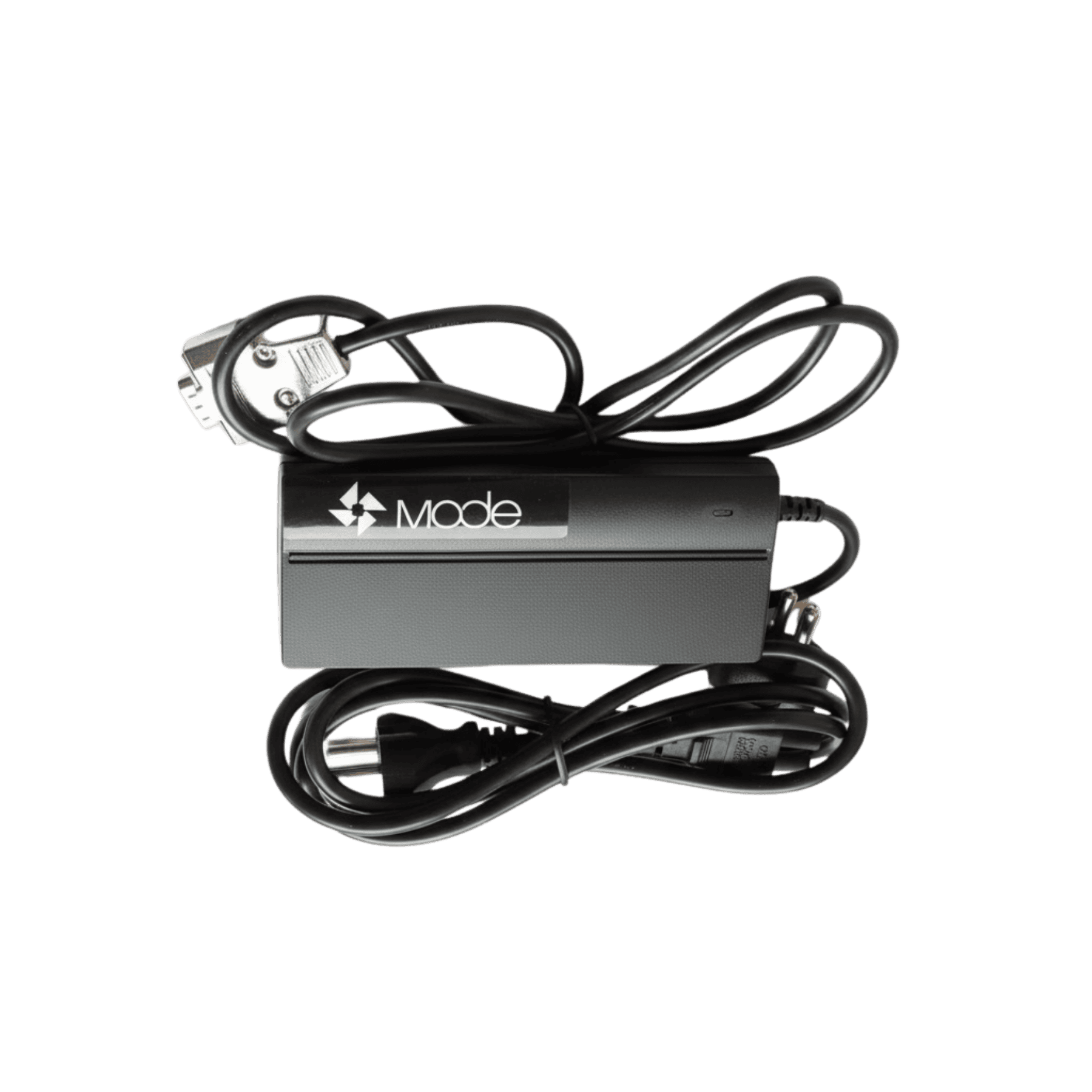 MODE
MODE
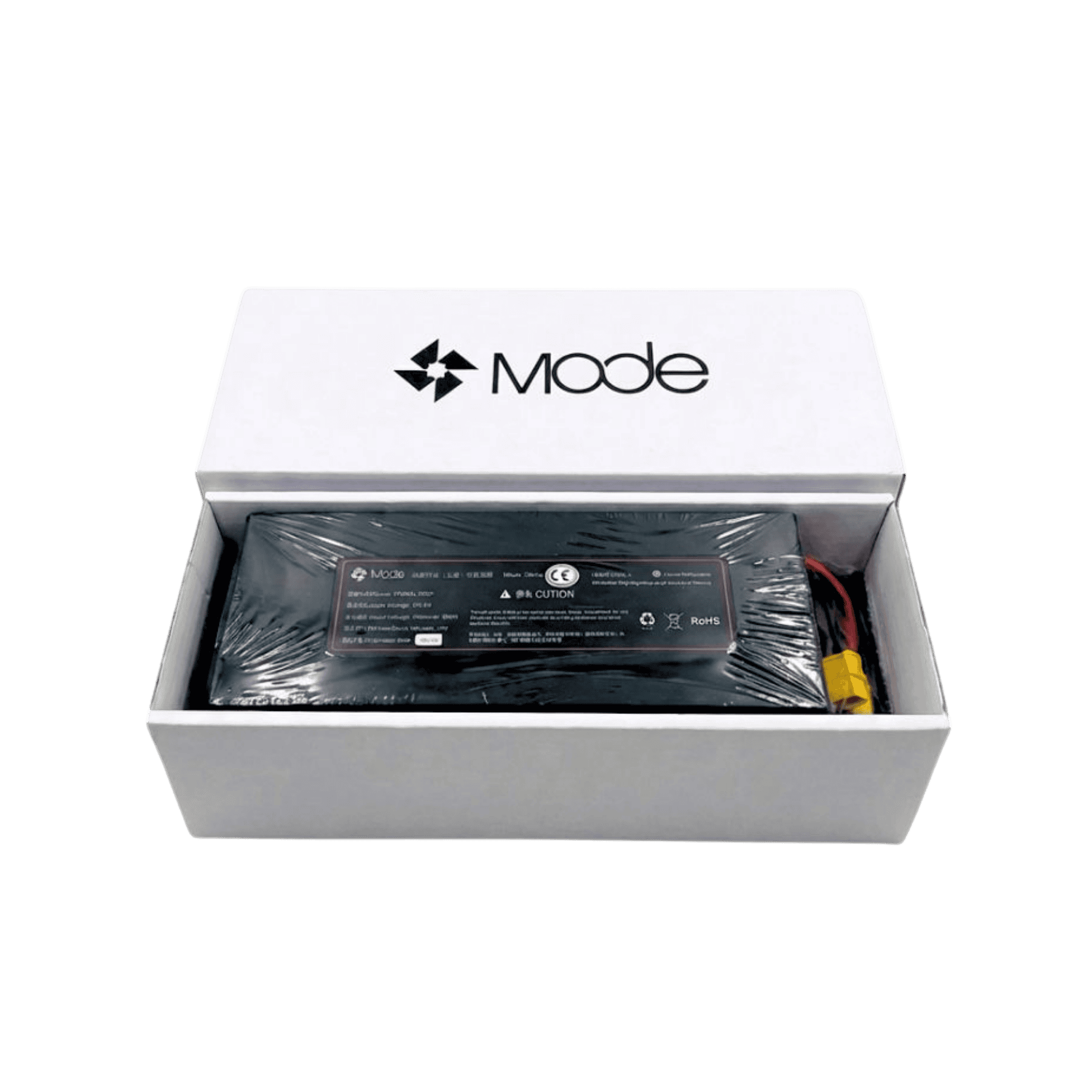 MODE
MODE
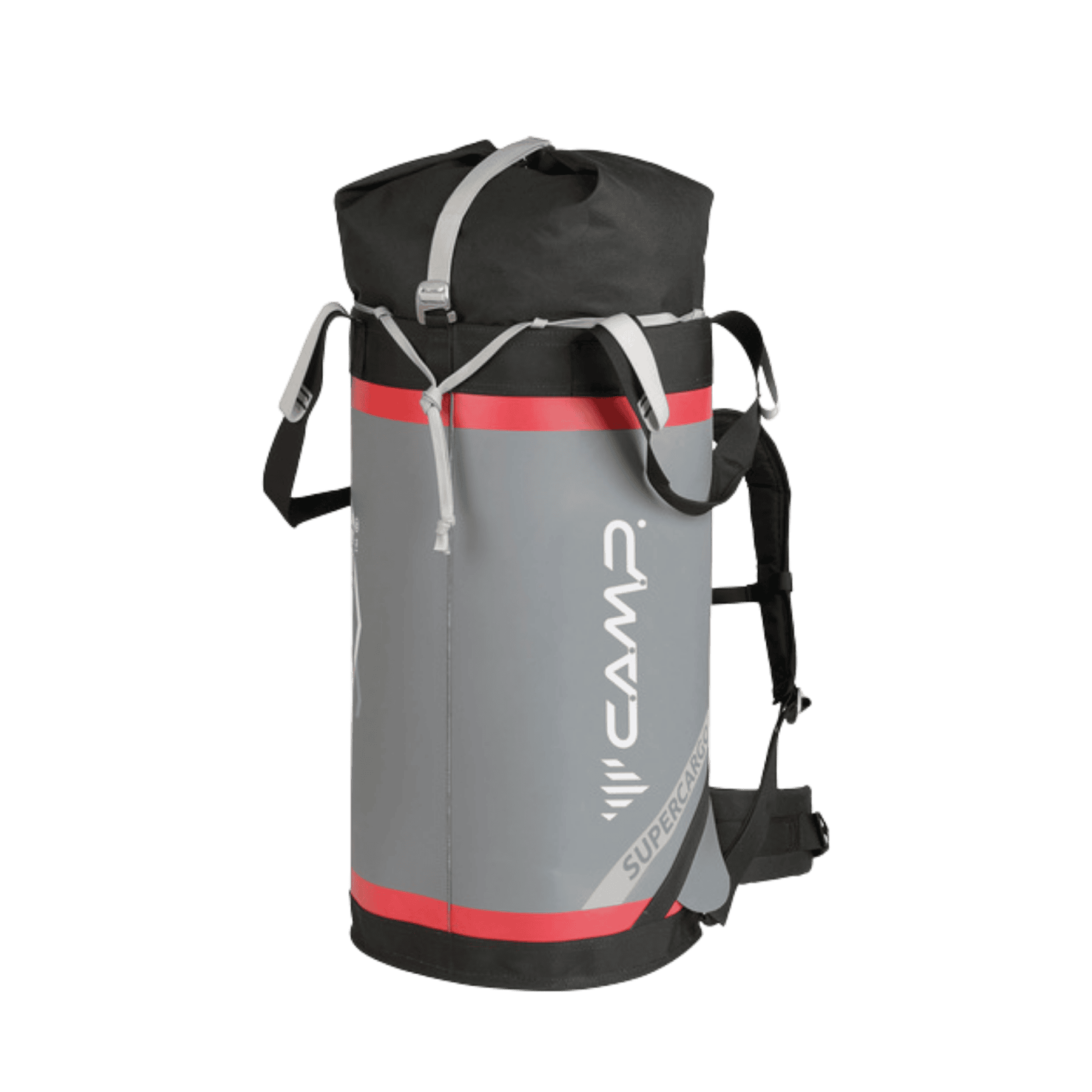 CAMP
CAMP
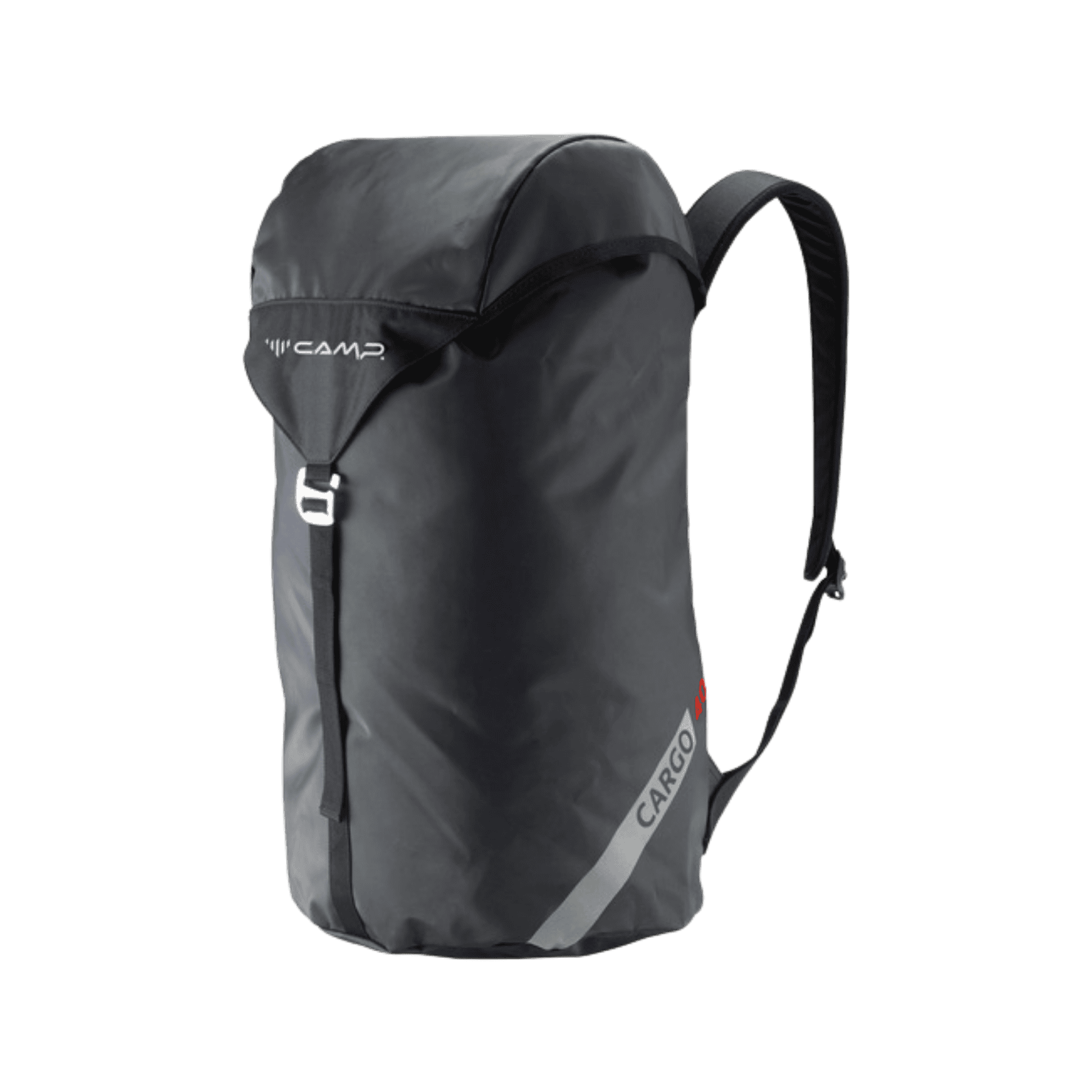 CAMP
CAMP
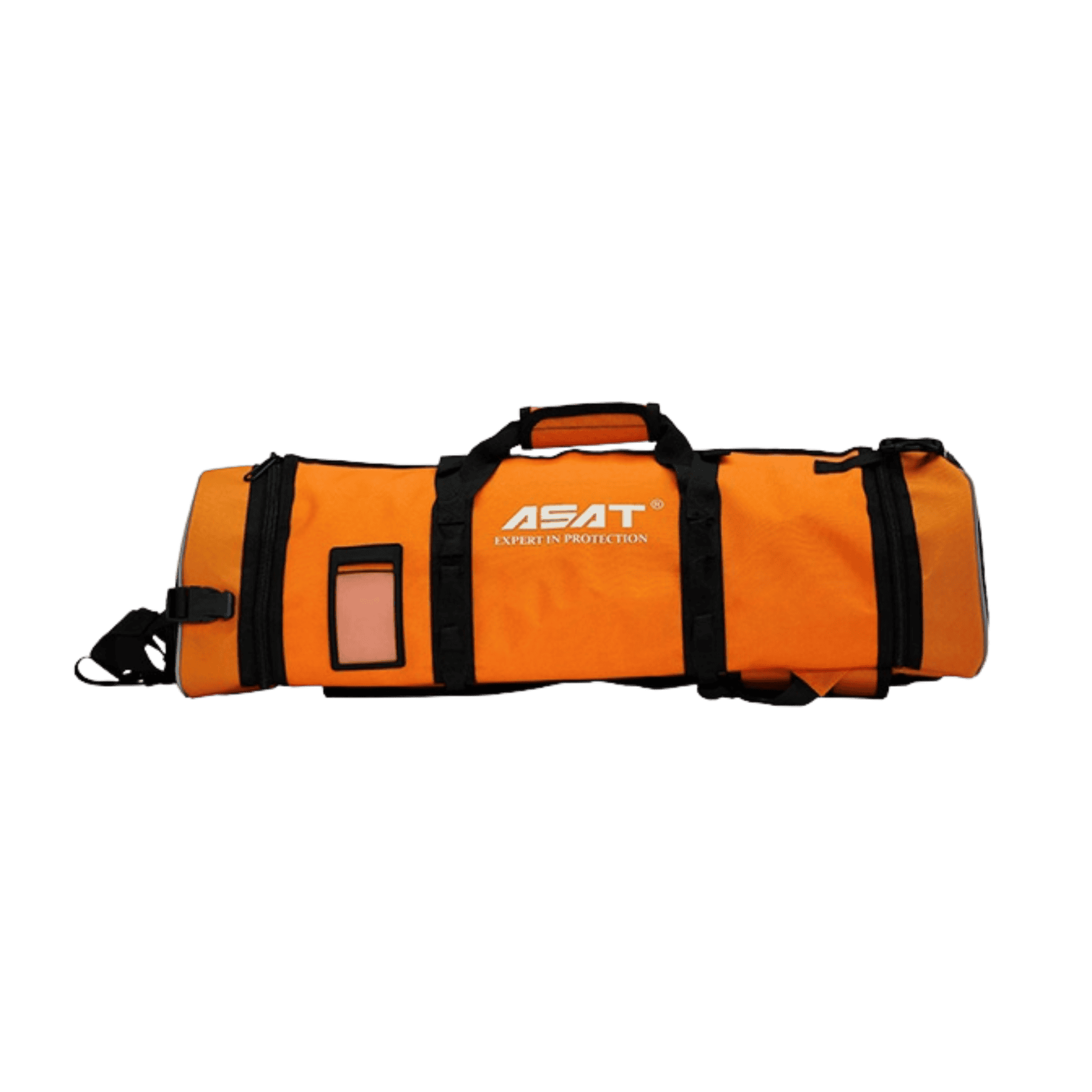 ASAT
ASAT
Lay-flat equipment-management backpack (TPU)
$100 USD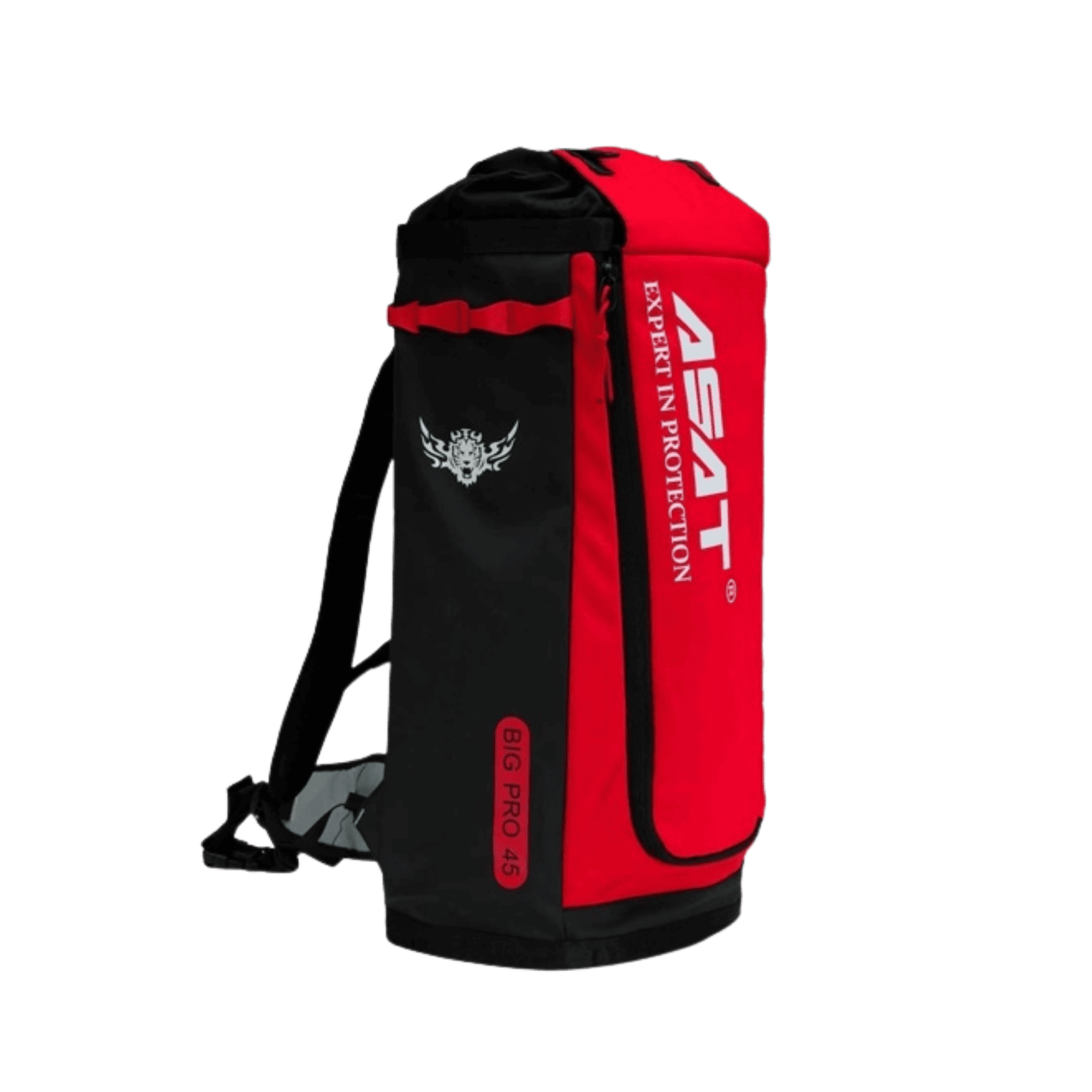 ASAT
ASAT
45 L self-standing personal-equipment backpack
$100 USDThe equipment that gets kit to the job and keeps it there. Haul bags and hoisting bags built to be lifted on a line and dragged across structure; waterproof backpacks and shoulder bags for teams working in weather; tool bags and pouches for what stays on the harness; equipment-management backpacks for keeping a full set together; and rolling cases for kit that travels.
We also stock rope protection, and batteries and chargers for the powered equipment we supply — the parts people order in a hurry when a job is already running.
If you are outfitting a crew from scratch, bag choice is worth a conversation. How kit is carried and stored decides how fast it can be rigged and how long the rope inside lasts.
A tool dropped from height carries the same physics as a falling person and lands on whoever is below. Dropped object prevention is treated as its own discipline on most industrial sites, with tool tethers, wrist lanyards and closed containers required rather than encouraged.
Tethering has its own rules. A tool tether is rated for the weight of the tool it holds, and anchoring it to the worker's harness rather than to structure matters: a heavy tool tethered to a fixed point can arrest a falling worker, or a falling tool can pull a worker off balance. Manufacturers state where their tethers are designed to attach.
Nothing destroys a loaded rope faster than an edge. Under tension and with movement, a structural edge cuts sheath and then core, and it does so quickly enough that edge protection is part of rigging rather than an afterthought.
Rope protectors are the simple answer: a sleeve or wrap between rope and edge. Edge rollers go further, replacing the sliding friction with a rolling surface — worth it where the rope will move repeatedly over the same point, as on a long descent or a haul.
Rope access kit lives out of bags, and the bag decides how fast a technician can rig. Haul bags are built to be hoisted on a line and dragged across structure, with reinforced bases and internal attachment points. Rope bags keep a rope clean and let it feed without tangling — clean rope lasts longer, so the bag is service life as much as convenience.
Tool bags and pouches worn on the harness keep hands free during work at height, which is where the tethering question comes back: what is in the pouch still needs to be attached to something.
The distinction that matters in this category is between equipment that is part of a life-safety system and equipment that is not. A tool tether stopping a wrench falling on a colleague is safety equipment and belongs in the inspection regime. A backpack is not.
Anything load-bearing — tethers, harness-mounted pouches carrying weight, rope protectors positioned in a loaded system — is inspected on the same schedule as the rest of the kit. When in doubt, the manufacturer's instructions state whether the item carries a rating and what inspection it needs.
To the point the manufacturer specifies, which is usually the worker or a dedicated tethering point rather than any convenient anchor. A heavy tool tethered to a fixed structure can arrest a falling worker; a tool tethered badly can pull a worker off balance as it falls. The tether's rating also has to match the tool's weight.
A rope protector is a sleeve or wrap that sits between the rope and the edge, removing direct contact. An edge roller replaces sliding friction with a rolling surface, which suits situations where the rope moves repeatedly over the same point, such as long descents or hauling.
Anything load-bearing does. Tool tethers, harness-mounted pouches that carry weight and rope protectors positioned in a loaded system are all part of the safety kit and belong in the same inspection regime. Non-load-bearing items such as backpacks do not.
It keeps the rope clean and lets it feed without tangling. Dirt and grit work into a sheath and abrade the rope from the inside, so a bag is service life as much as convenience — and a rope that deploys without tangling is quicker to rig.