
Shock-absorbing and work-positioning lanyards, single and twin-leg, with scaffold hooks and standard connectors. The link between the harness and the anchor.
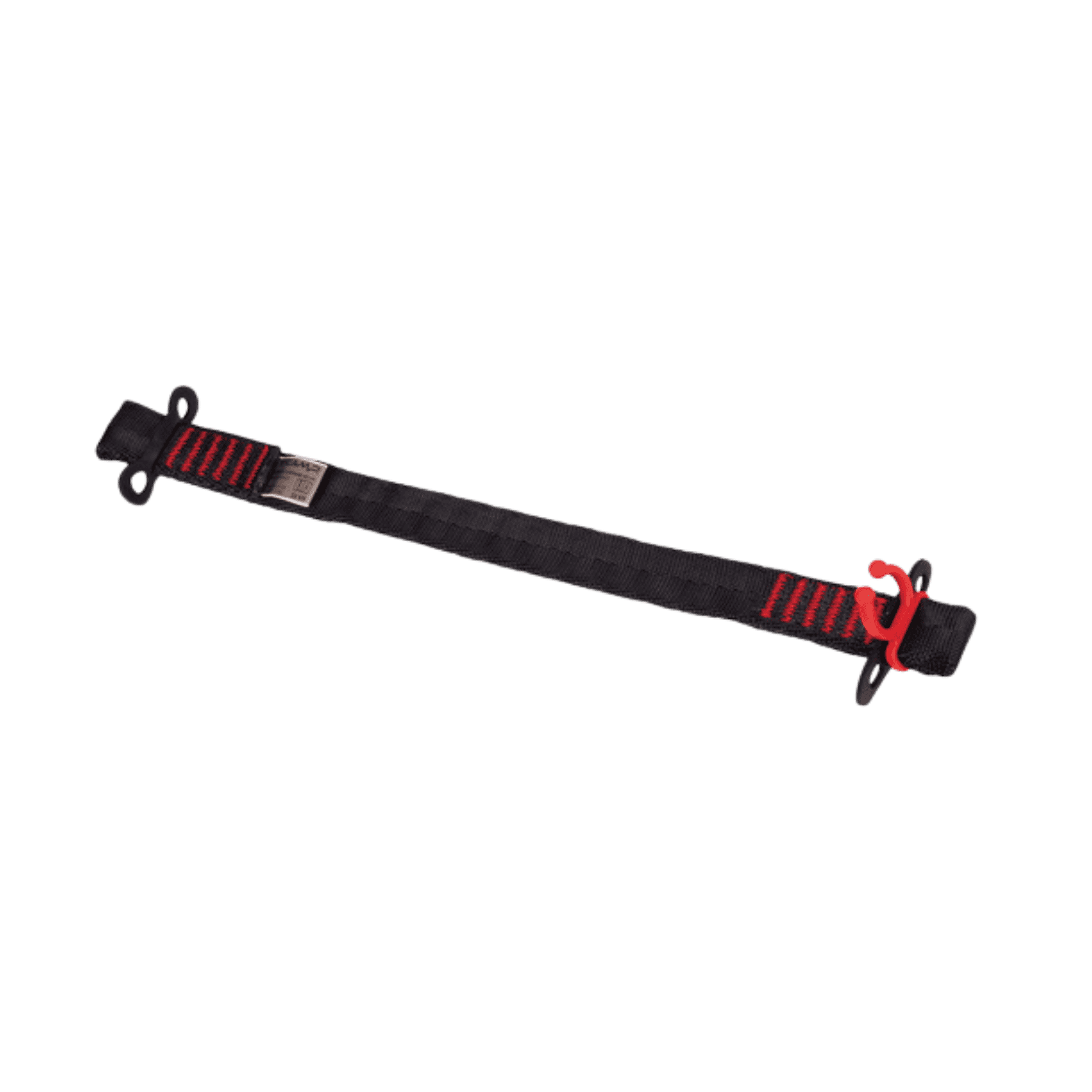 CAMP
CAMP
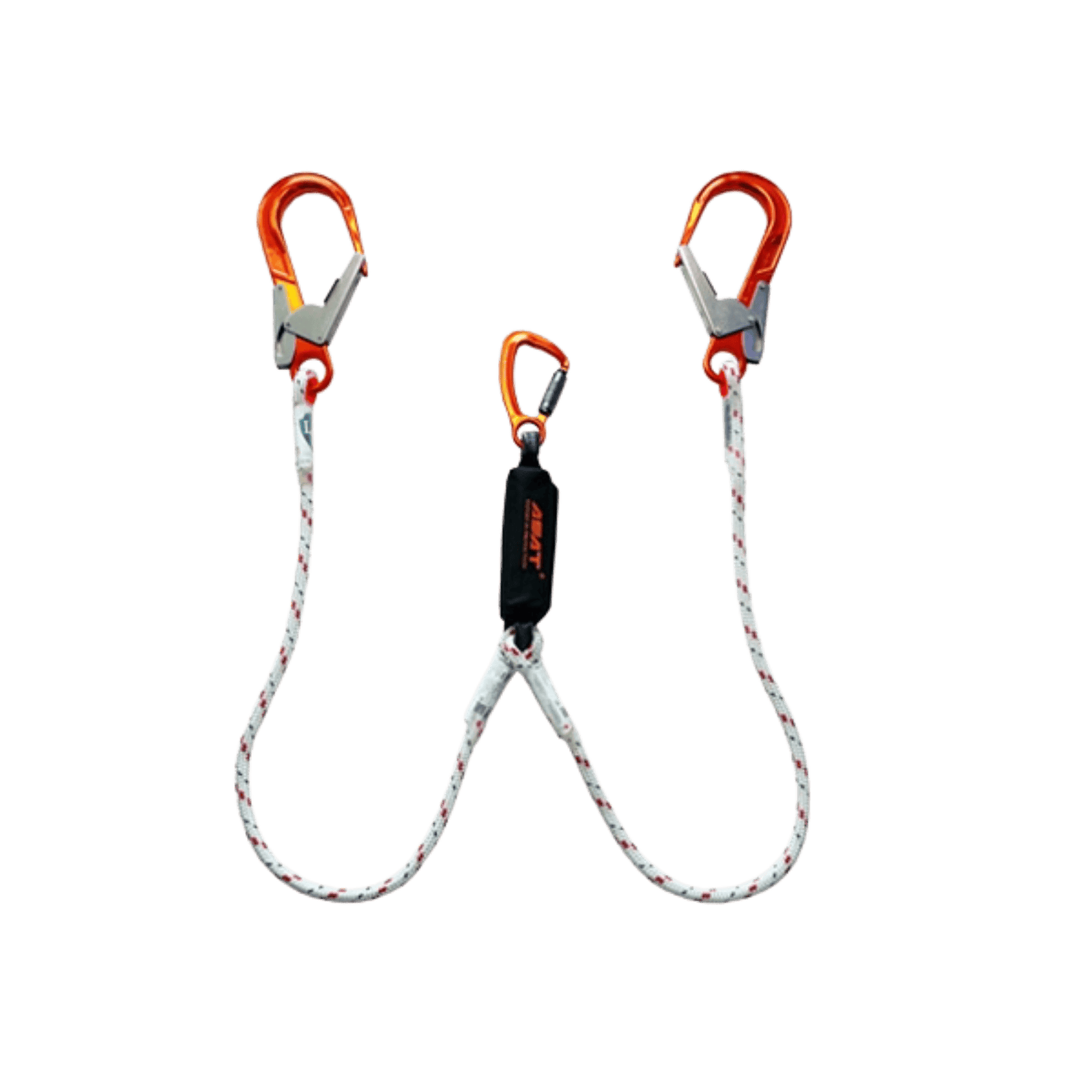 ASAT
ASAT
Y-shape energy-absorbing lanyard with scaffold hooks — EN 355
$94 USD Only 5 leftThis is one of our deepest categories, because the lanyard is where a fall protection system is most often mismatched to the work. We stock single-leg and twin-leg shock-absorbing lanyards, versions with scaffold hooks for structural steel and tube, elasticated lanyards that hold their own slack on walkways and scaffolds, restraint lanyards for keeping a worker away from the edge entirely, and separate energy absorbers for building a system around connectors you already have.
Two questions settle most of it: how much clearance is there below the anchor, and what shape are the anchor points on your structure. Get those to us and we will tell you which of these is usable — including when the answer is that a lanyard is the wrong device and a self-retracting lifeline is not.
A lanyard on its own does not make a fall survivable. Stopping a falling body over a short distance generates forces the human body cannot take, so the energy absorber — a folded, stitched webbing pack that tears progressively under load — extends the stopping distance and caps the force transmitted to the wearer.
That tearing is the mechanism, not damage. Once an absorber has deployed it has done its single job and the lanyard is withdrawn from service. A deployed pack is visually obvious, which is why inspection focuses on it.
Because the absorber works by extending the stopping distance, a shock-absorbing lanyard needs real clearance below the anchor: the length of the lanyard, the deployment of the absorber, the height of the worker below their attachment point, and a margin to the nearest obstruction.
Where that clearance does not exist — low structures, work above plant, scaffolding close to a lower level — a lanyard is the wrong device and a self-retracting lifeline is usually the answer. The figures for a specific lanyard are stated by its manufacturer, and clearance is calculated from those rather than from a rule of thumb.
A single-leg lanyard connects the harness to one anchor. A twin-leg lanyard lets the worker stay connected while moving between anchors: one leg is clipped to the next point before the first is released, so there is never a moment unattached. On a structure requiring frequent repositioning, that is the difference between continuous protection and a series of gaps.
Restraint lanyards do a different job entirely. They are set to a length that stops the worker reaching the fall hazard at all, so no fall occurs and no energy absorber is needed. Restraint is the safer strategy wherever the work allows it, because preventing the fall beats arresting it.
Elasticated lanyards reduce trip and snag hazards by holding their own slack, which matters on scaffolds and walkways where a trailing leg is a hazard in itself.
EN 354 covers lanyards, EN 355 covers energy absorbers, and EN 358 covers work positioning systems. In North America, ANSI/ASSP Z359.13 covers energy-absorbing lanyards. A twin-leg absorbing lanyard is generally certified as a system rather than as separate parts.
In the United States, OSHA sets the limits the system has to work inside — 1926.502(d) for construction, 1910.140 for general industry. A personal fall arrest system may allow no more than 6 ft of free fall and must not let the worker contact a lower level; it must limit arresting force to 1,800 lbf and bring the fall to a stop within 3.5 ft of deceleration distance. Those figures are what decide whether a lanyard is usable at a given height at all, and they are regulation rather than guidance.
Scaffold hooks — large-opening connectors — exist because many anchor points on a structure are too thick for a standard karabiner gate. The connector on the end of the lanyard has to fit the anchors actually present on site, which is a question worth answering before ordering rather than after.
A shock-absorbing lanyard is designed to arrest a fall and limit the force transmitted to the wearer as its absorber deploys. A restraint lanyard is set to a length that prevents the worker reaching the edge, so a fall cannot happen. Restraint is preferred wherever the work allows it.
It allows continuous attachment while moving between anchor points: the second leg is clipped to the next anchor before the first is released. On structures that require frequent repositioning, that removes the gaps where a single-leg lanyard would leave the worker unattached.
Enough for the lanyard length, the deployment of the energy absorber, the worker's height below their attachment point and a safety margin to the nearest obstruction. The device figures come from the lanyard's manufacturer; in the United States OSHA also caps the system at 6 ft of free fall with no contact with a lower level, and at 3.5 ft of deceleration distance. Where that clearance is not available, a self-retracting lifeline is usually the appropriate device instead.
No. Once the energy absorber has deployed it has performed its single function, and the lanyard must be withdrawn from service along with the rest of the system that took the load.