
Semi-static kernmantle rope, accessory cord and prusik loops for rope access and rescue. Low-stretch working and safety lines, cut to length.
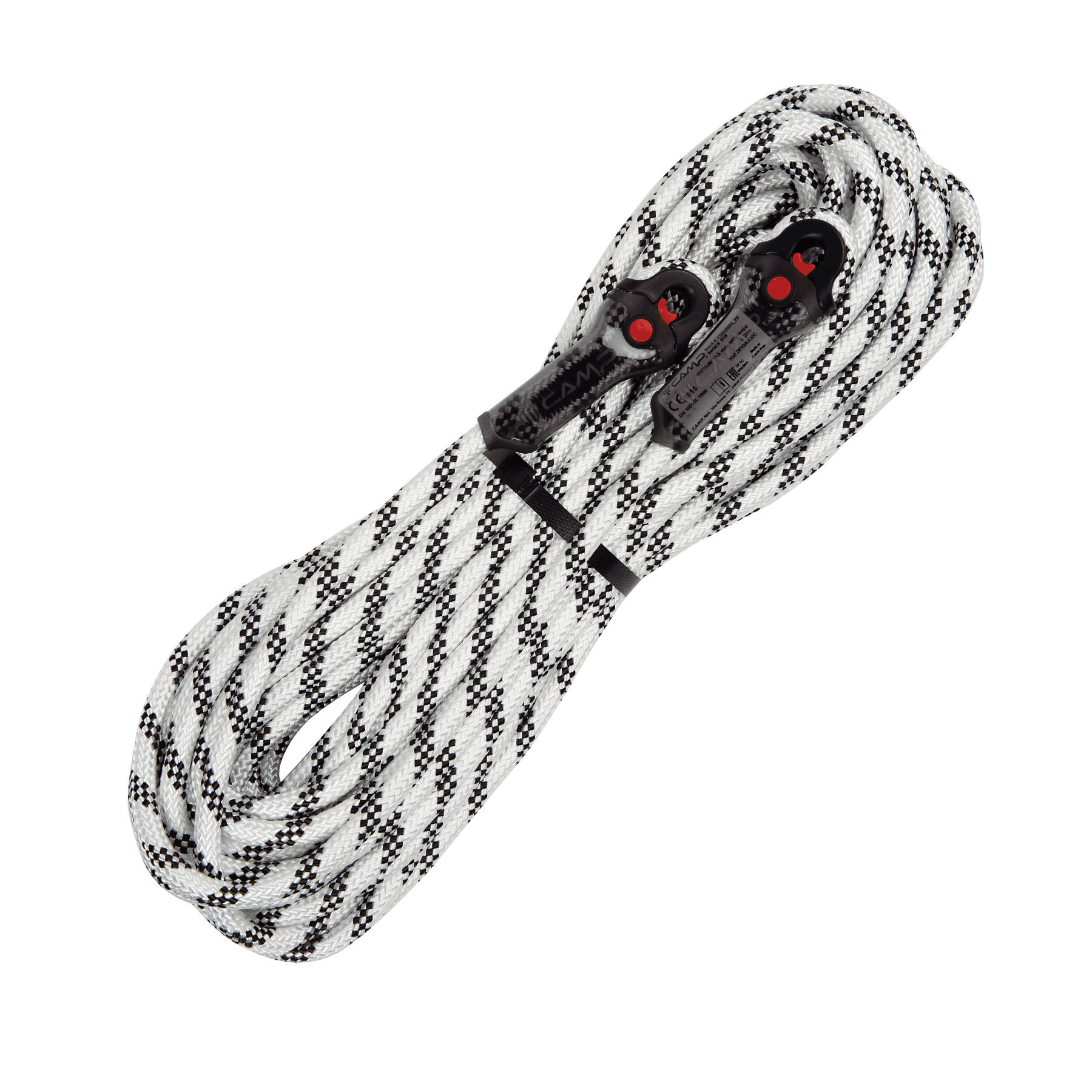 CAMP
CAMP
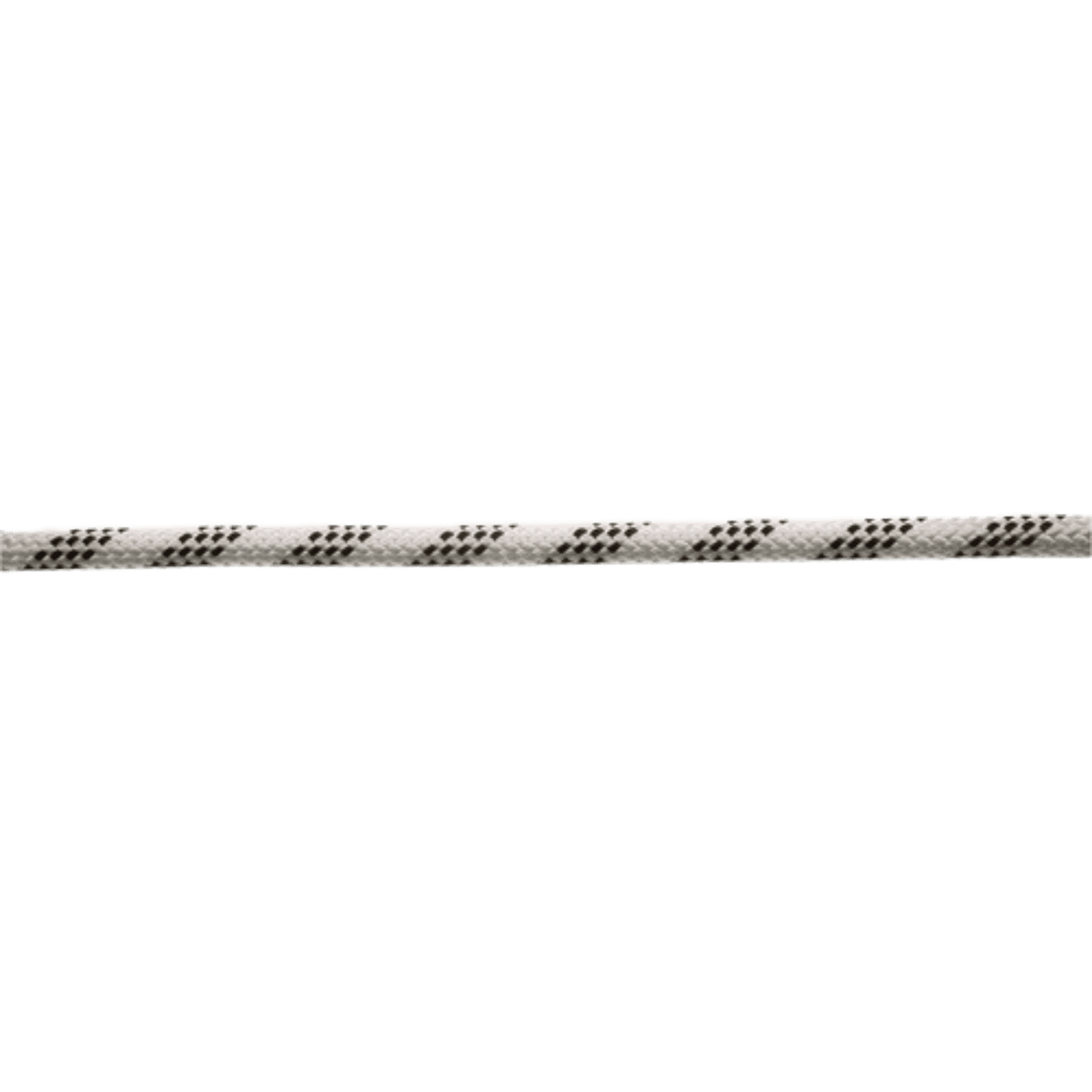 CAMP
CAMP
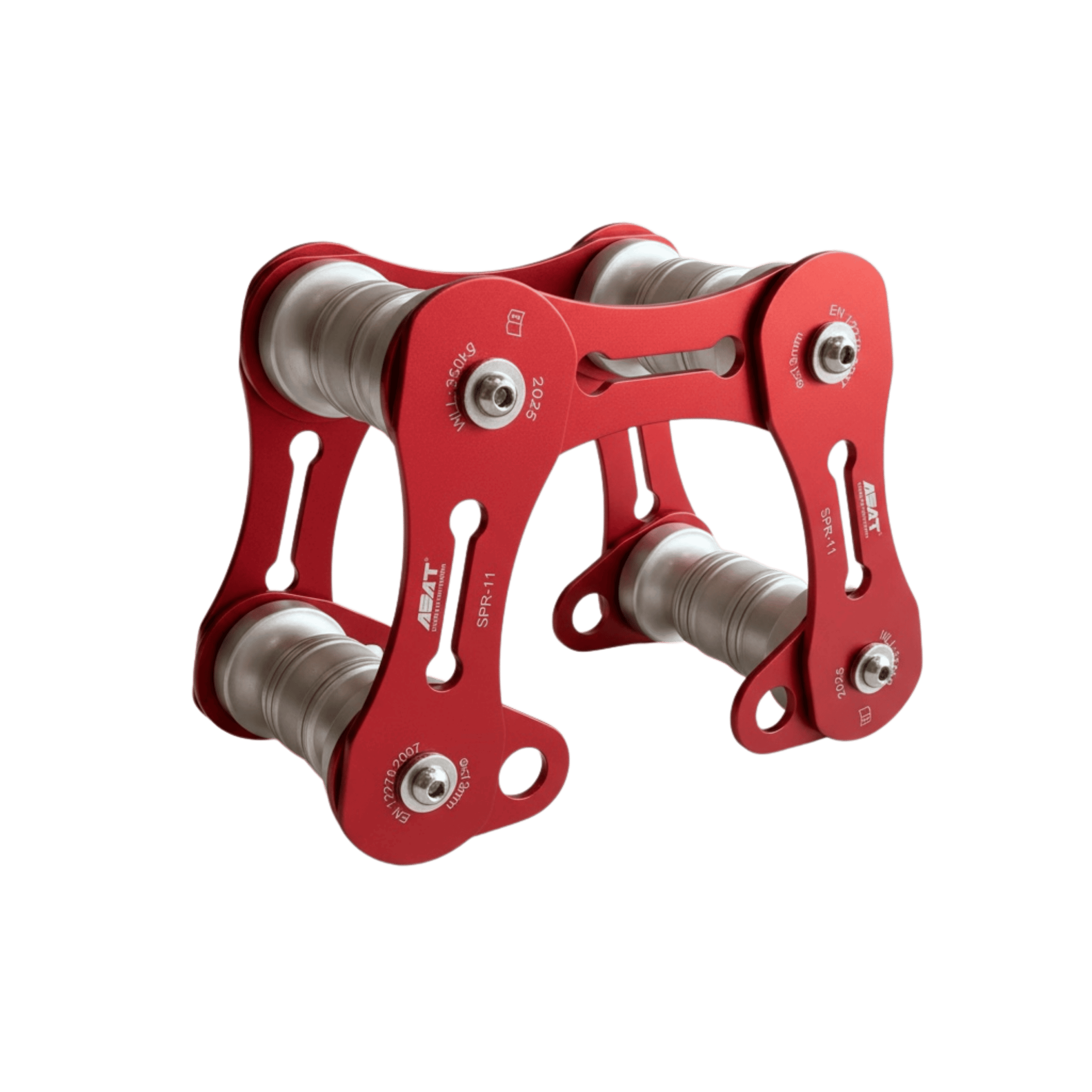 ASAT
ASAT
Four-roller modular rope edge protector for multiple moving ropes
$195 USD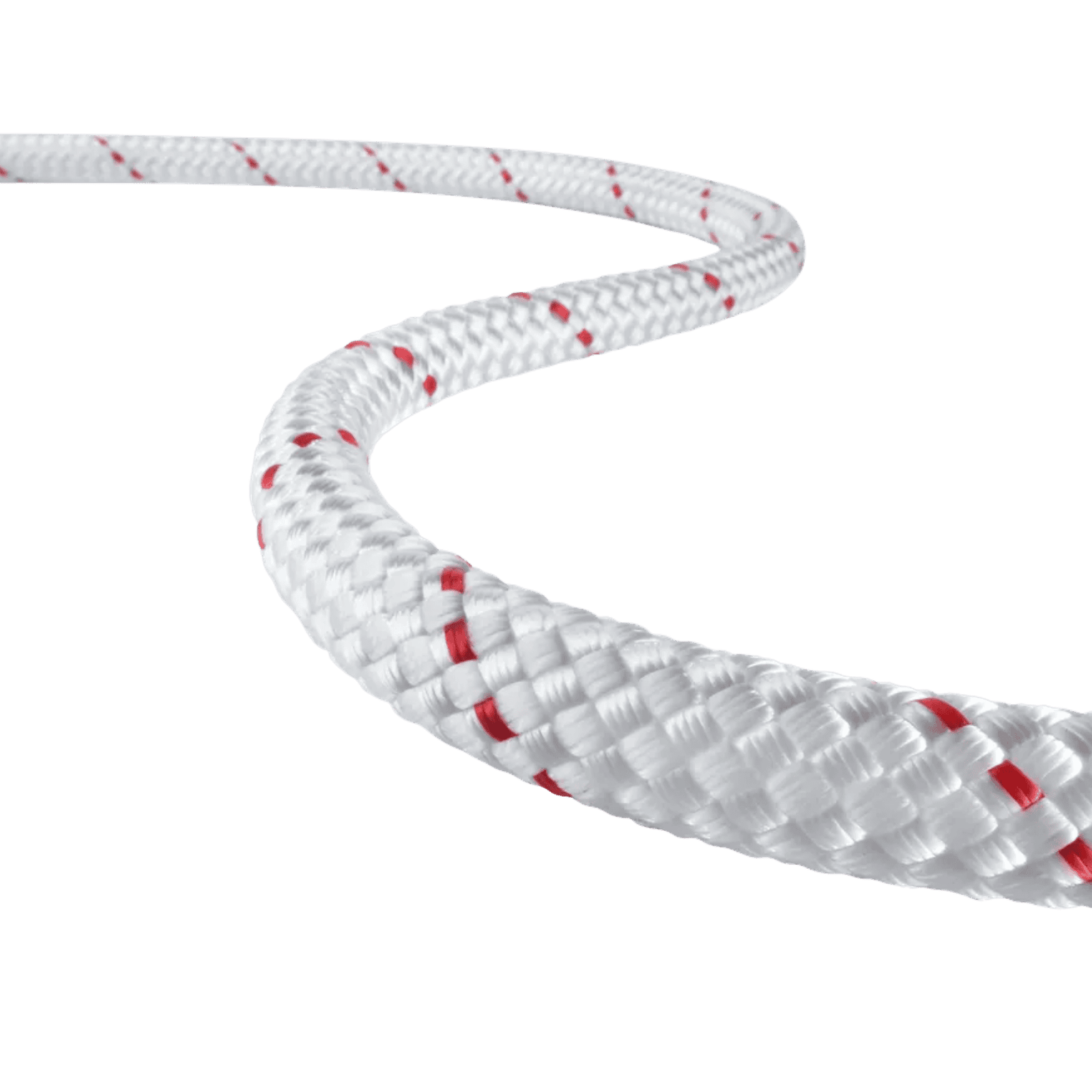 Teufelberger
EN 1891 Type A low-stretch kernmantle rope — 32 kN
$660 USD Only 5 leftSemi-static kernmantle rope in the diameters rope access actually uses, in full 200 m reels and in shorter pre-terminated lengths with sewn loops for teams who would rather not terminate their own. We also stock rope protection, because the fastest way to destroy a good rope is an unprotected edge.
Rope is cut to length. Tell us the working height, whether you need one line or a working and safety pair, and which devices the rope has to run through — descender, ascenders and back-up device each have an approved diameter range, and the rope has to sit inside all of them, not just the one you thought of first.
Kernmantle rope has a load-bearing core inside a protective sheath. In dynamic rope — the kind used for lead climbing — that core is built to stretch substantially, absorbing the energy of a long fall. In semi-static rope it is built to stretch very little.
Low stretch is what makes rope access work. A technician hanging on a rope that stretches is a technician bouncing, losing working position with every movement and gaining height slowly on ascent as the rope recovers. Semi-static rope holds position, which is why it is the standard for working lines, safety lines and hauling.
The trade-off is that semi-static rope absorbs far less energy in a fall. It is designed for systems where falls are short and controlled by the devices on the rope, not for arresting long leader falls.
EN 1891 covers low-stretch kernmantle ropes and divides them into Type A and Type B. Type A is intended for general rope access, work positioning and rescue. Type B is a lighter-duty classification with lower performance requirements, and carries more limitations on how it is used.
For industrial rope access, Type A is the specification to ask for — both the working line the technician descends and the safety line the back-up device runs on. Type B is lighter duty, and specifying it for a working line is a downgrade rather than a saving.
The United States classifies the same equipment differently. Life safety rope for emergency services falls under NFPA 2500, which absorbed NFPA 1983 in 2022, and rope is classified by intended duty rather than by the EN Type A/B split — so a rope bought for a rescue team is specified against a different scheme than one bought for rope access. Which type or class a given rope is, and the diameter and treatment it carries, comes from the rope's own documentation and its end marking.
Rope diameter is not only a strength question — it decides which devices the rope can be used with. Descenders, ascenders and rope grabs are each certified for a diameter range, and the rope has to sit inside the range of every device on the system, not just one.
Sheath construction affects handling and abrasion resistance; a tighter sheath resists wear but can feel stiffer through devices. Dry or water-repellent treatments matter where rope will be wet, since a saturated rope is heavier, handles differently and dries slowly.
Accessory cord is thinner cord used to make prusik loops and other friction hitches. A prusik grips the main rope when loaded and releases when unweighted, which makes it a backup, a progress capture in a hauling system and an improvised ascent method. The cord diameter has to be meaningfully smaller than the rope it grips or the hitch will not bite.
Rope protectors and edge rollers belong to the same conversation. An edge is the fastest way to destroy a rope under load, and protection at the edge is part of rigging the system rather than an accessory bought later.
Rope is inspected along its full length by touch as well as by eye, since core damage can exist under an intact sheath. Sheath cuts, glazing from heat, flat or soft spots, chemical contact and significant fall loading are all grounds for retirement.
Ropes are logged from first use, because service life depends on use rather than age alone. Manufacturers state a maximum life and the conditions that shorten it; both come from the documentation supplied with that rope.
Dynamic rope is built to stretch and absorb the energy of a long fall, which is what lead climbing requires. Semi-static rope stretches very little, so a worker hanging on it holds position rather than bouncing. Rope access uses semi-static rope for working and safety lines; it is not intended to arrest long falls.
EN 1891 is the European standard for low-stretch kernmantle ropes. Type A is the classification intended for general rope access, work positioning and rescue, and it is what industrial rope access specifies for both the working line and the safety line. Type B is lighter duty, with lower performance requirements and more restrictions on use — for a working line it is a downgrade, not an economy. In the United States, life safety rope for emergency services is classified under NFPA 2500 instead, by intended duty rather than by the Type A/B split.
Start from the devices the rope has to run through. Descenders, ascenders and rope grabs are each certified for a diameter range, and the rope must fall inside the range of every device in the system. Handling, weight and abrasion resistance then decide between the diameters that remain.
When inspection finds sheath damage, glazing, flat or soft spots indicating core damage, chemical contact, or after significant fall loading — and at the end of the service life stated by the manufacturer. Because service life depends on use rather than age alone, ropes are logged from first use.