
Vented and non-vented helmets for work at height, rope access and rescue, with chin-strap retention that holds the helmet on in a fall.
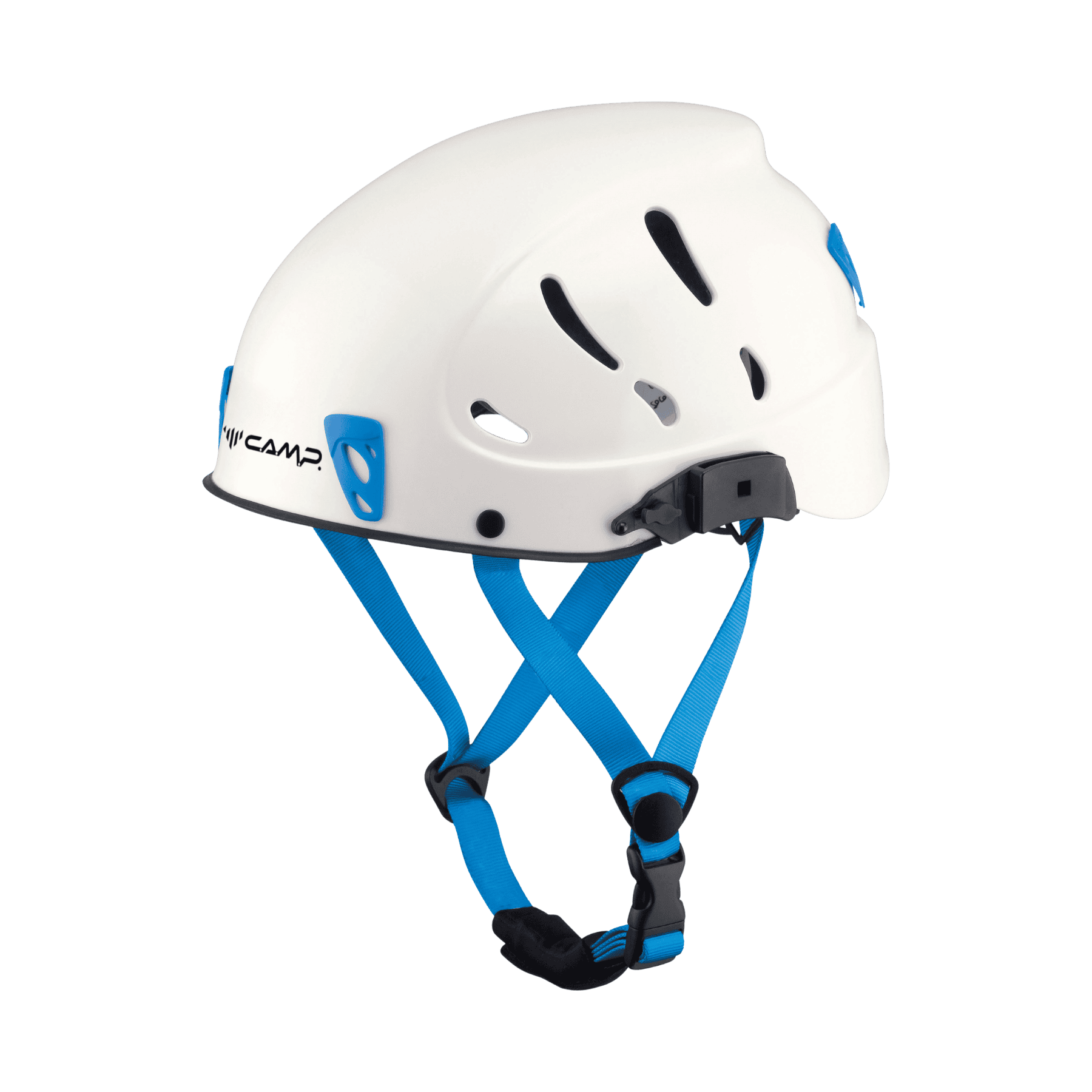 CAMP
CAMP
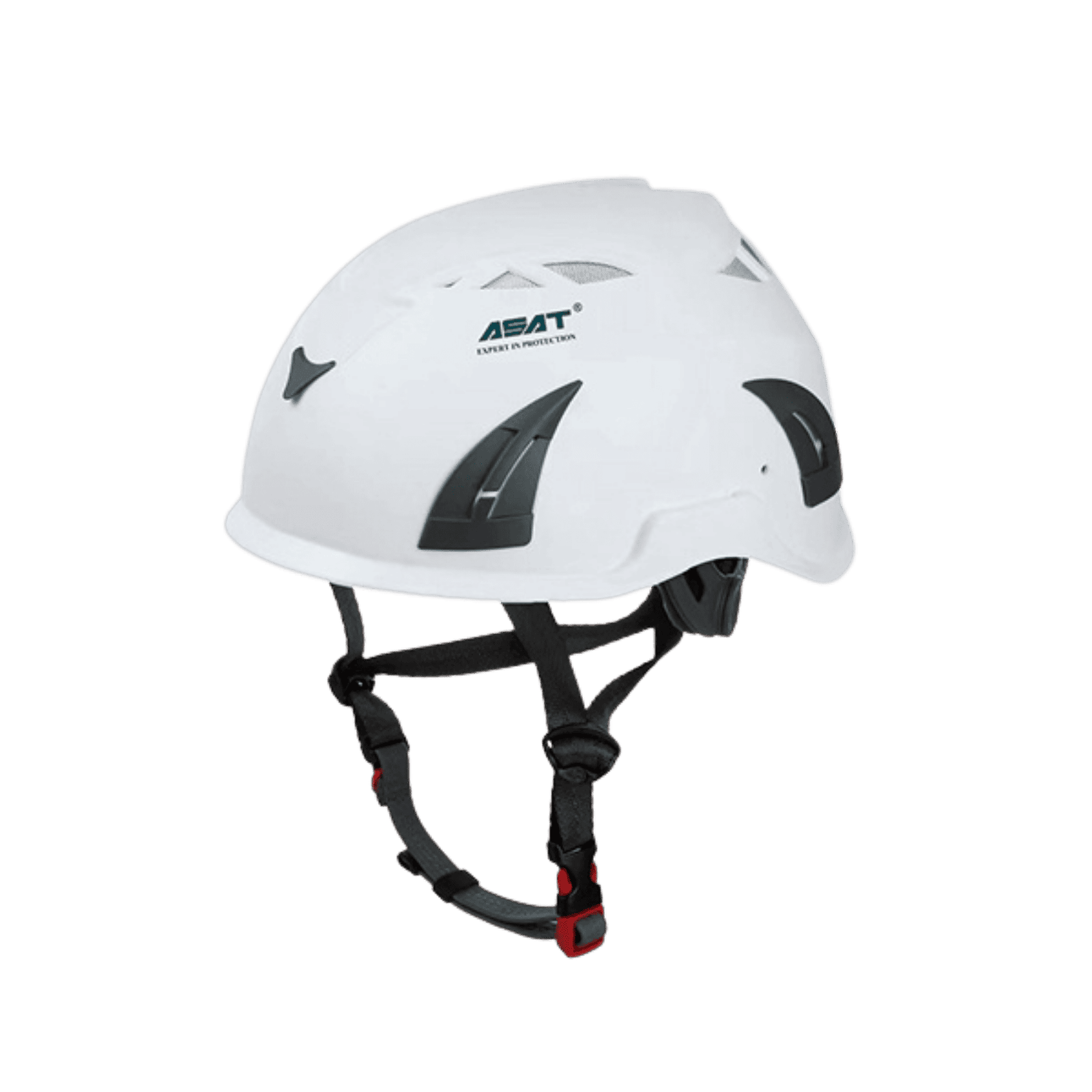 ASAT
ASAT
Work-at-height, industrial, rescue & forestry helmet
$45 USD Only 5 left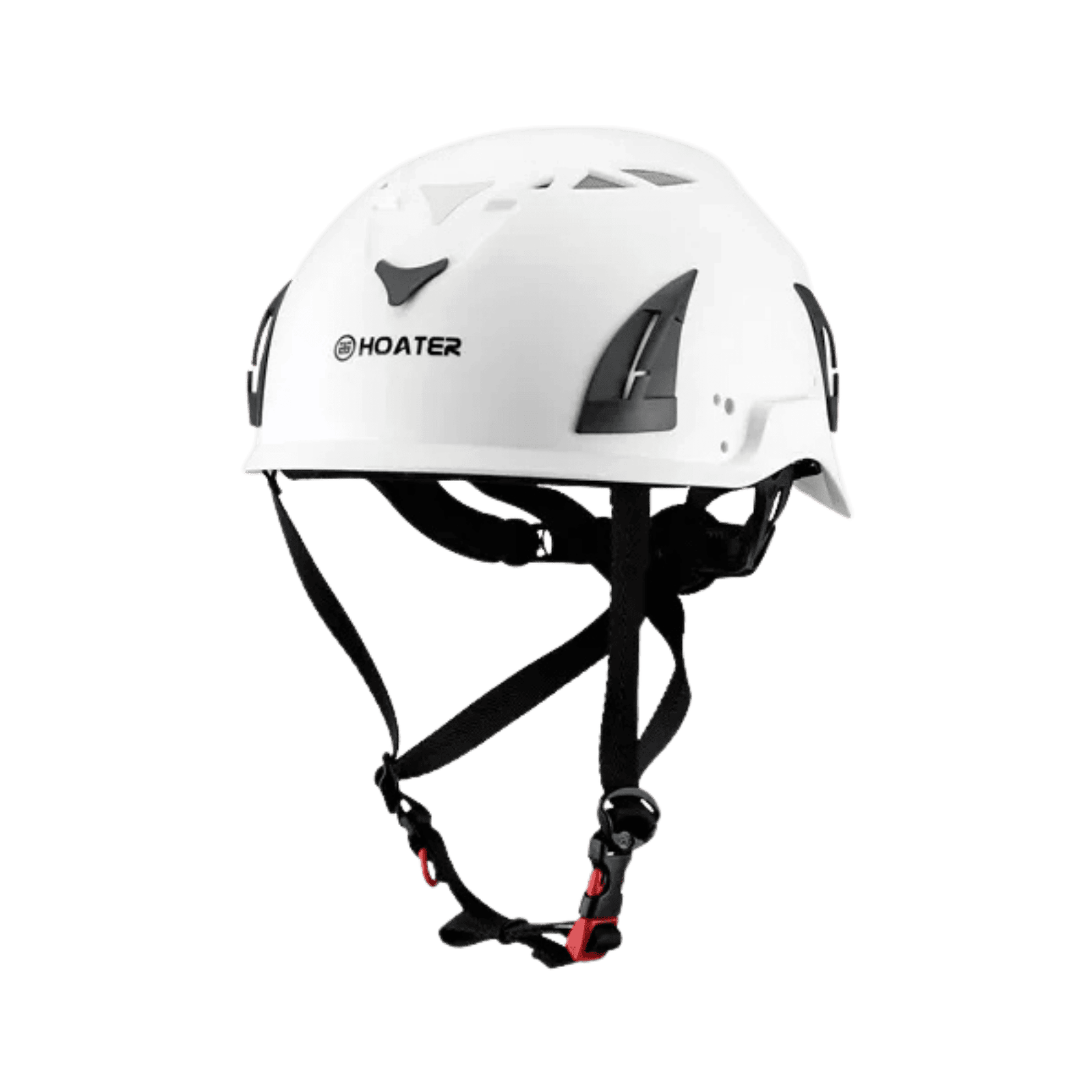 Hoater
EN 12492 helmet for work at height, rope access and rescue
$64 USD Only 5 leftHelmets for work at height, rope access and rescue, in vented and non-vented shells with chin-strap retention that holds. The range covers general at-height and industrial use through to multifunctional models with accessory mounting for headlamps, visors and ear defenders.
Fit is the part people skip and then regret, because a helmet that shifts no longer protects where it was tested to. If you are buying for a crew, ask us about size ranges and cradle adjustment before ordering rather than after.
A conventional industrial hard hat is designed for objects falling onto the head of someone standing upright, and its chin strap — where it has one — is designed to release under load so the helmet cannot cause strangulation if snagged.
That release is exactly wrong at height. A worker who falls, inverts or swings needs the helmet to stay on, and needs protection from impacts to the front, sides and back rather than only the crown. Helmets for work at height use retention that holds under load and shells tested for lateral impact.
EN 397 is the industrial safety helmet standard: crown impact, penetration, and a chin strap that releases at a low load. EN 12492 is the mountaineering helmet standard: impact to the front, sides and rear, and a chin strap that must hold rather than release.
Many helmets sold for rope access and rescue are certified to both, sometimes with an interchangeable chin strap so the same shell can be configured either way. Which configuration a helmet is in matters on site, because the two standards are asking for opposite behaviour from the same component. The label and instructions state what applies.
Vented shells are cooler and are the usual choice for physical rope access work in heat. The vents are openings, so a vented helmet is generally not suitable where electrical contact is a risk, and may be less suitable around splashing molten metal or heavy particulate.
Non-vented shells suit electrical work and dirty environments, at the cost of heat build-up. Where electrical protection is required, look for the specific electrical classification on the product rather than assuming a solid shell provides it.
A helmet that moves on the head does not protect the area it has moved away from. Adjustable cradles and a correctly tensioned chin strap are what keep the shell where it was tested to be, and both are checked at every fitting rather than once when the helmet is issued.
Most helmets in this class accept a headlamp, visor or ear defenders, but only through the mounting points the manufacturer provides. Drilling a shell or fitting unapproved accessories voids the certification. Service life and replacement after impact are stated by the manufacturer, and a helmet that has taken a significant impact is withdrawn even when it looks intact.
EN 397 is the industrial safety helmet standard, with impact testing focused on the crown and a chin strap designed to release under load to avoid strangulation. EN 12492 is the mountaineering standard, adding impact protection to the front, sides and rear, with a chin strap that must hold rather than release. Work at height generally calls for the second behaviour, and many helmets are certified to both.
Generally not. A standard industrial hard hat is designed for objects falling on an upright worker, and its chin strap is designed to release. At height a worker can invert or swing, and the helmet needs retention that holds and protection beyond the crown.
Vents are openings in the shell, so vented helmets are generally not suitable where electrical contact is a risk. Where electrical protection is required, check for the specific electrical classification on the product rather than judging by whether the shell is solid.
After any significant impact, even if no damage is visible, and at the end of the service life stated by the manufacturer. Deformation, cracking, damaged retention hardware and chemical or heat exposure are all reasons to withdraw a helmet earlier.