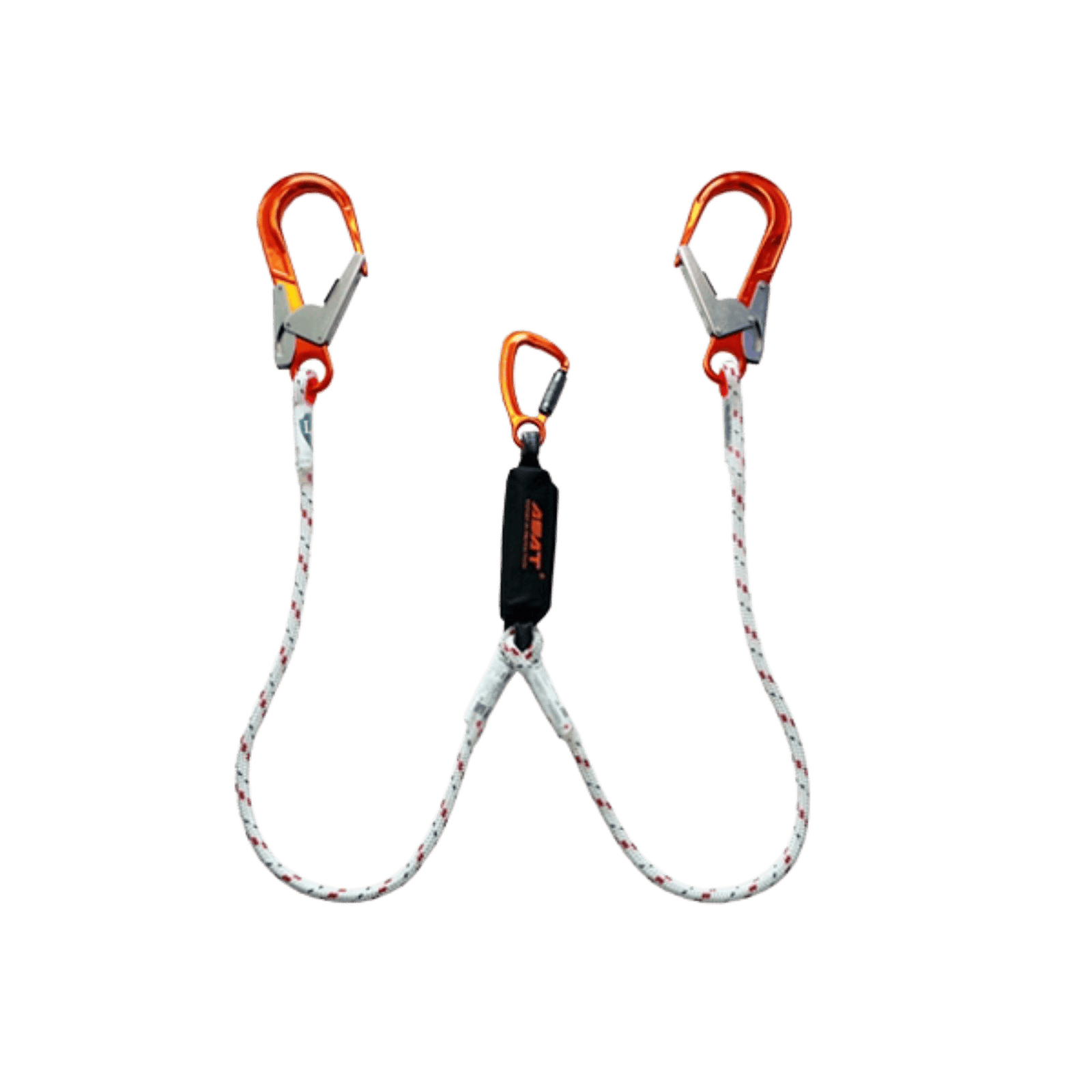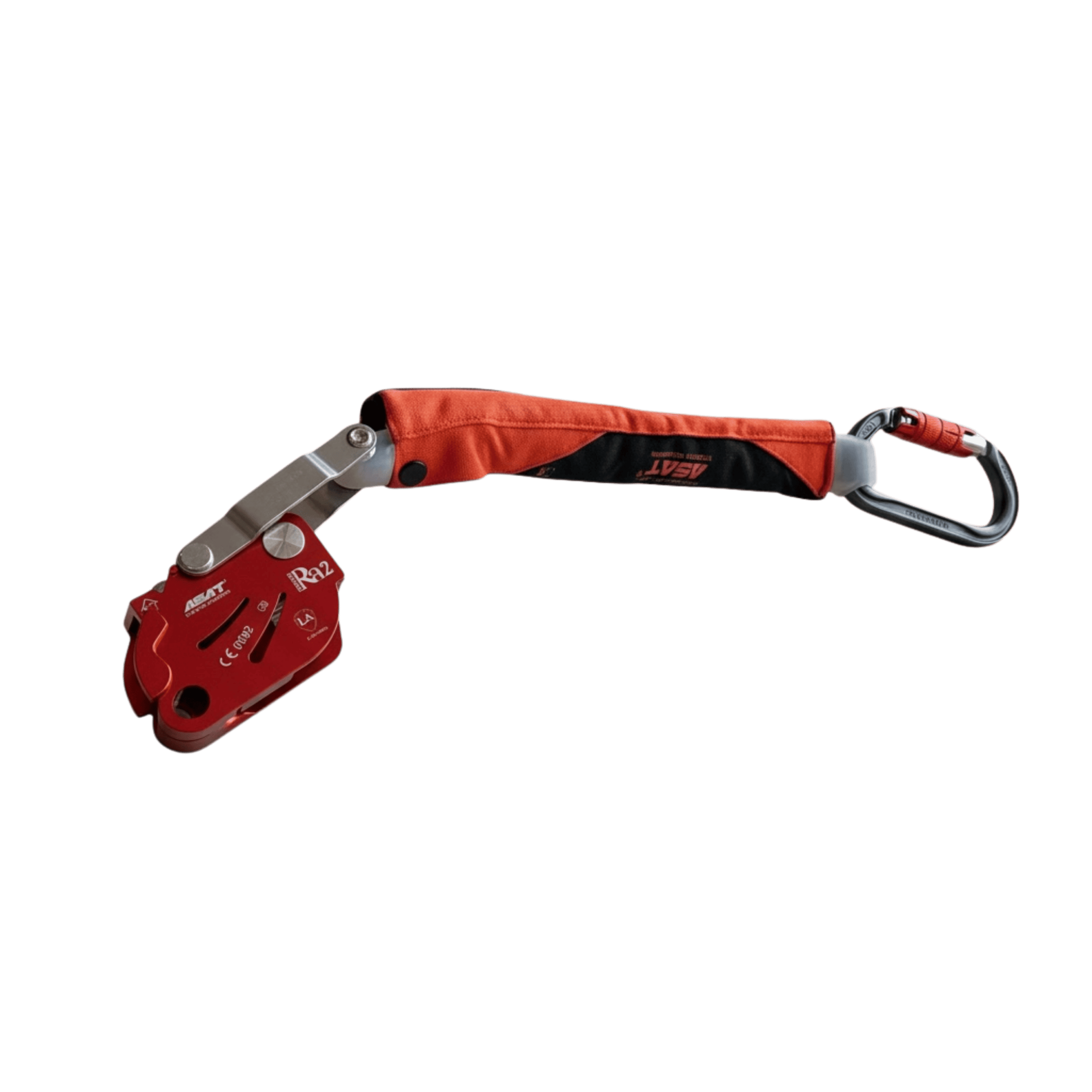
Type A rope access fall arrester with energy absorber lanyard (EN 12841:2024)
$325 USDIn stock
Pay over time (US customers) with
The device on your second rope
In rope access you work on two ropes. One holds you while you work. The other does nothing at all — until the first one fails.
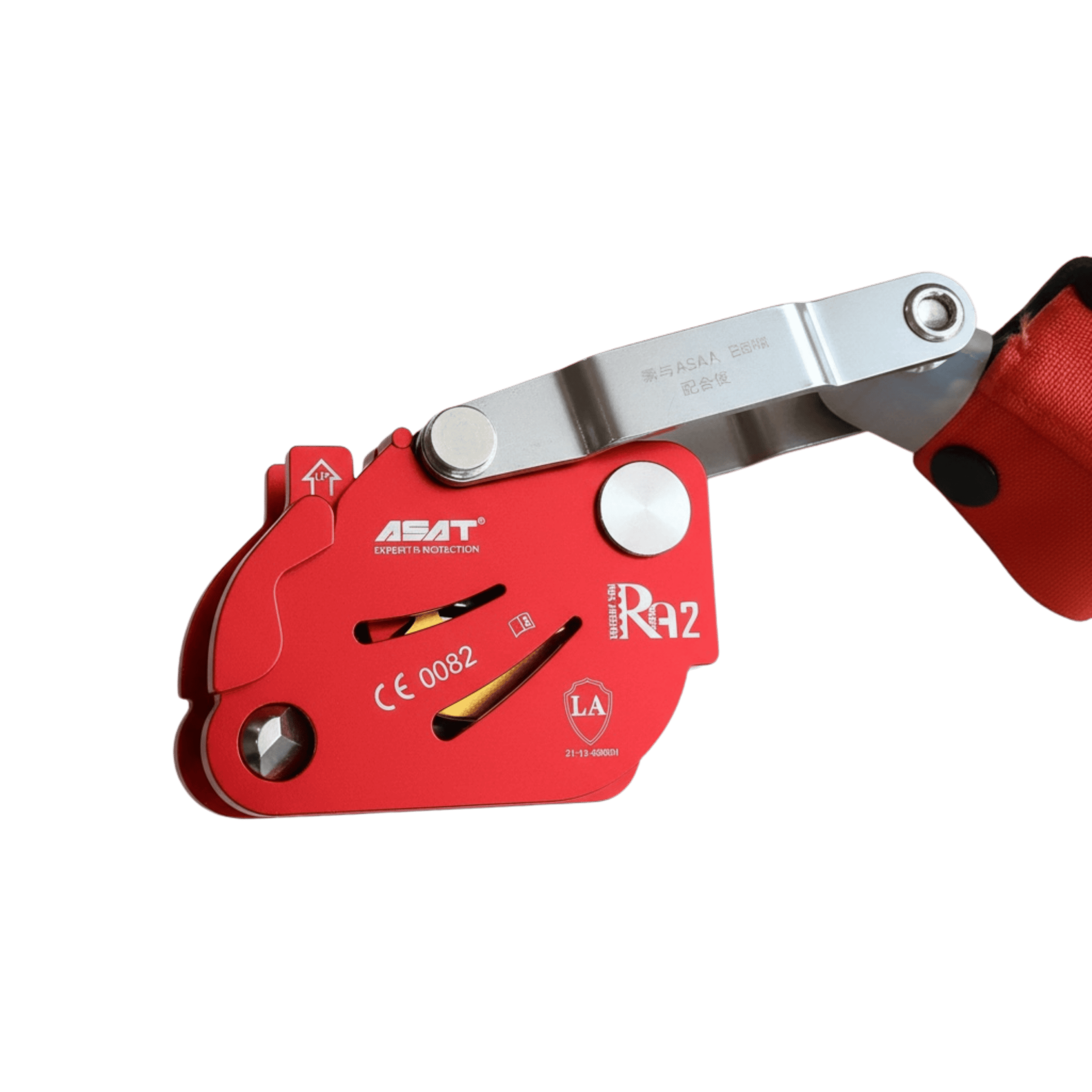
The RA2 is the device on that second rope. It follows you up and down without you touching it, staying where you are on the line. If you fall, it locks on the rope in a fraction of a second and the energy absorber takes the shock out of the stop before it reaches your body.
A device you never think about on a good day is the one you want to have chosen carefully.
| Connector (SGM7124TN3) | EN 362 |
|---|---|
| Date of Expiry | 27/10/2030 |
| Date of Issue | 27/10/2025 |
| EU Type-Examination Certificate | No. 0082/2564/160/09/25/0333 |
| Energy Absorber (LE-08) | EN 355:2002 |
| Manufacturer-declared | XF 494-2023 (RA2); GB/T 24538-2009 (LE-08) |
| Notified Body | Apave SA (No. 0082), Module B |
| PPE Category | Category III — Rope access systems, Type A (safety line adjustment device) |
| Technical Reference | EN 12841:2024 (Type A) |
| Maximum Rated Load | 150 kg (with ASAT LE-08) |
|---|---|
| Minimum Rated Load | 40 kg |
| Compatible Rope | EN 1891 Type A, 10.0–12.0 mm |
|---|
| Fall Arrester Body | Aluminium alloy 7075-T651 |
|---|---|
| Hardware | Stainless steel |
| Complete Kit (RA2 + LE-08 + carabiner) | 765 g |
|---|---|
| Fall Arrester (RA2) | 485 g |
| Working Temperature | -30°C to +50°C |
|---|
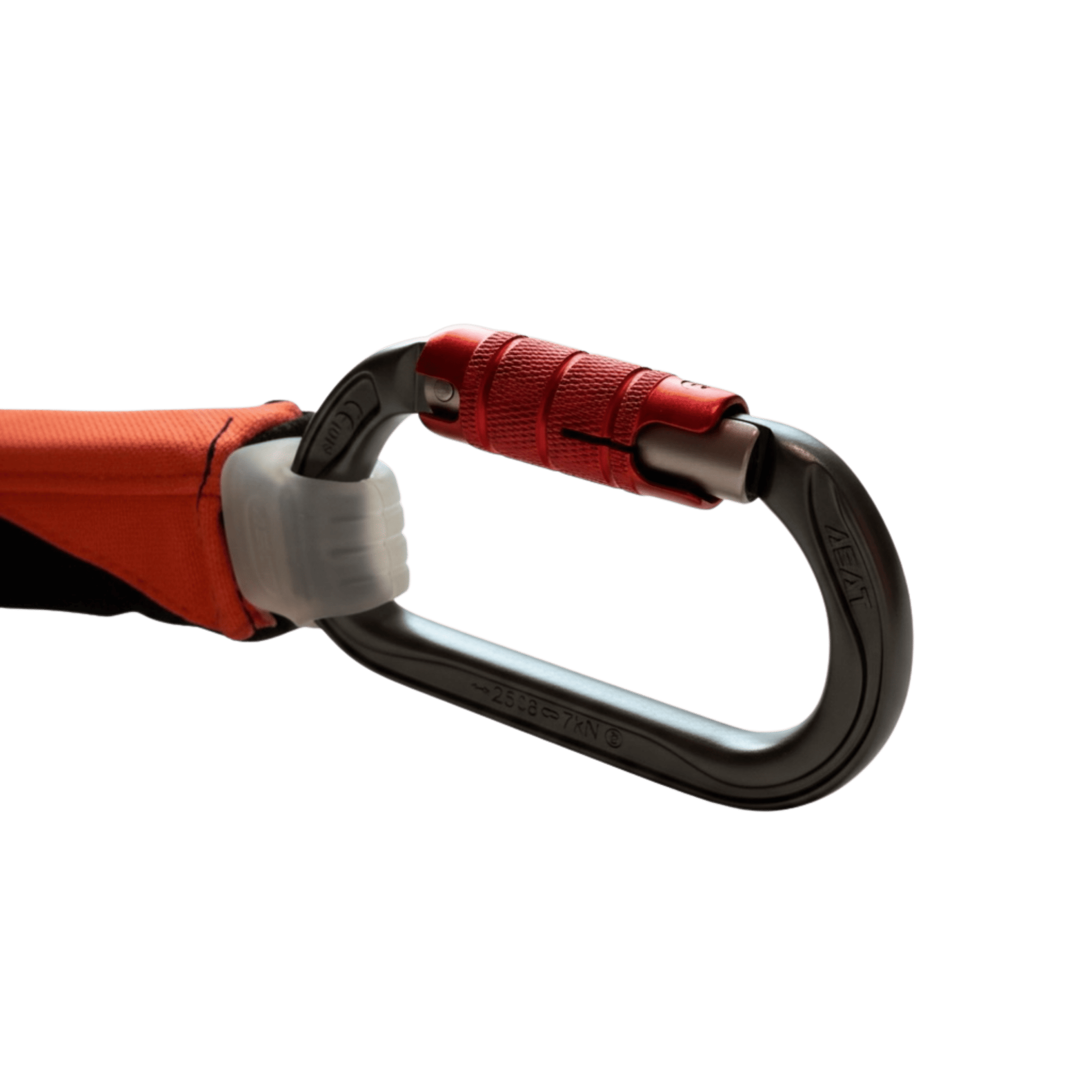
| Connector | SGM7124TN3 (EN 362) |
|---|---|
| Energy Absorber Lanyard | ASAT LE-08, 40 cm (EN 355:2002, GB/T 24538-2009) |
| Fall Arrester | ASAT RA2 |
| Brand / Trademark | ASAT |
|---|---|
| Manufacturer | SKYER (Beijing) Industry Technology Co., Ltd. |
| Model | RA2 |
| Reference | RA2 + LE-08 + SGM7124TN3 |
Add the complements you need — each is added on its own.
This is sold as a kit because it is certified as a kit. The EU type-examination certificate covers one reference:
RA2 + LE-08 + SGM7124TN3
| Part | What it is | Standard |
|---|---|---|
| RA2 | Type A safety line adjustment device | EN 12841:2024 Type A |
| LE-08 | Energy absorber lanyard, 40 cm | EN 355:2002 |
| SGM7124TN3 | Connector | EN 362 |
These three are not interchangeable. Substitute a different lanyard, a different carabiner, or use the RA2 on its own, and you are outside the type examination — the certified arrest force, the rated loads and the CE marking all stop applying to what you have built.
If you need a longer lanyard or a different connector for your anchor, talk to us first. There may be a certified way to do it, and there may not.
EN 12841 splits rope access devices by the rope they belong on. Type A devices work on the safety line. They are the backup — they are not meant to carry your weight while you work, and they are not a descender.
Always use a complete two-rope system. A Type A device on a separate, independently anchored safety line, and a working line device — a Type C descender or a Type B ascender — on the line that actually holds you. The RA2 is one half of that system. On its own it is not a way to work at height.
Connect to the fall arrest attachment point of an EN 361 full body harness.
Remove the kit from service after any fall. If the absorber has deployed — even partially — the kit is finished. It goes out of service, and it does not go back on a rope.
Inspect before every use, and have it examined periodically by a competent person in accordance with the manufacturer's instructions.
The locking mechanism works on the centrifugal principle — it triggers on how fast the rope is moving through the device, not on how hard you are pulling. That is why it can slide freely while you work at walking pace and still catch a fall that starts in a tenth of a second.
Moving smoothly along the rope as you ascend and descend is not a comfort feature. A fall arrester that has to be pushed or pulled into position is one that technicians start leaving below them to avoid the hassle — and a backup device below you is no backup at all.
Locking fast is only half the job. The LE-08 tear-webbing absorber deploys during the arrest and limits the force that reaches your harness and your spine. Without it, a hard stop on a low-stretch safety line is its own injury.
The moving side plate needs two deliberate actions to open, so it cannot spring apart against the structure or against your glove.
More importantly: the plate stays captive on the body. You can install and remove the rope without a loose part in your hand. Anyone who has watched a side plate spin off a device at forty metres and heard it land understands why this is on the spec sheet.
The 150 kg ceiling is the one people check. The 40 kg floor is the one that gets missed: below it there may not be enough mass on the device for the certified arrest behavior. Check the total weight of the person with their kit against both numbers before you issue this device.
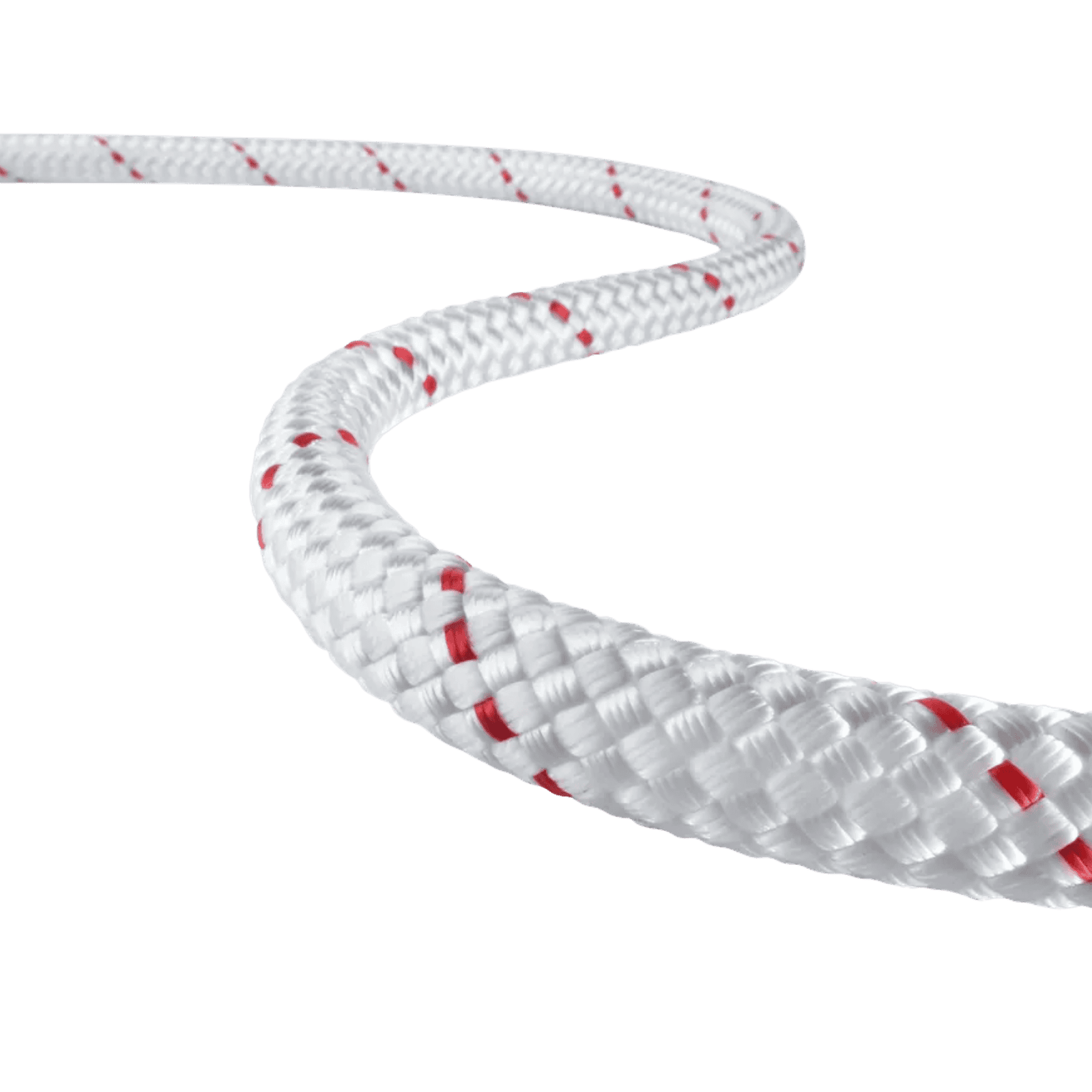
EN 1891 Type A semi-static kernmantle rope, 10.0 to 12.0 mm. Nothing else.
Dynamic rope stretches, which changes how far you fall before the device bites. A thinner line can slip through the cam; a thicker one can jam it. A rope with a glazed or compacted sheath behaves like neither. The certified arrest performance assumes a rope inside that range, in good condition.
7075-T651 is the aerospace-grade aluminum alloy — considerably stronger than the 6061 used in most hardware of this kind, which is how the body stays this light at this rating.
−30 °C to +50 °C is a working range, not a survival range: winter tower work in the north and summer roof work in the south are both inside it.
Category III is the class the PPE Regulation reserves for equipment protecting against risks that can kill or cause irreversible harm. The design approval above is one half of it; the other half is continuing surveillance of production by a notified body, which is what the 0082 beside the CE mark on the device refers to.
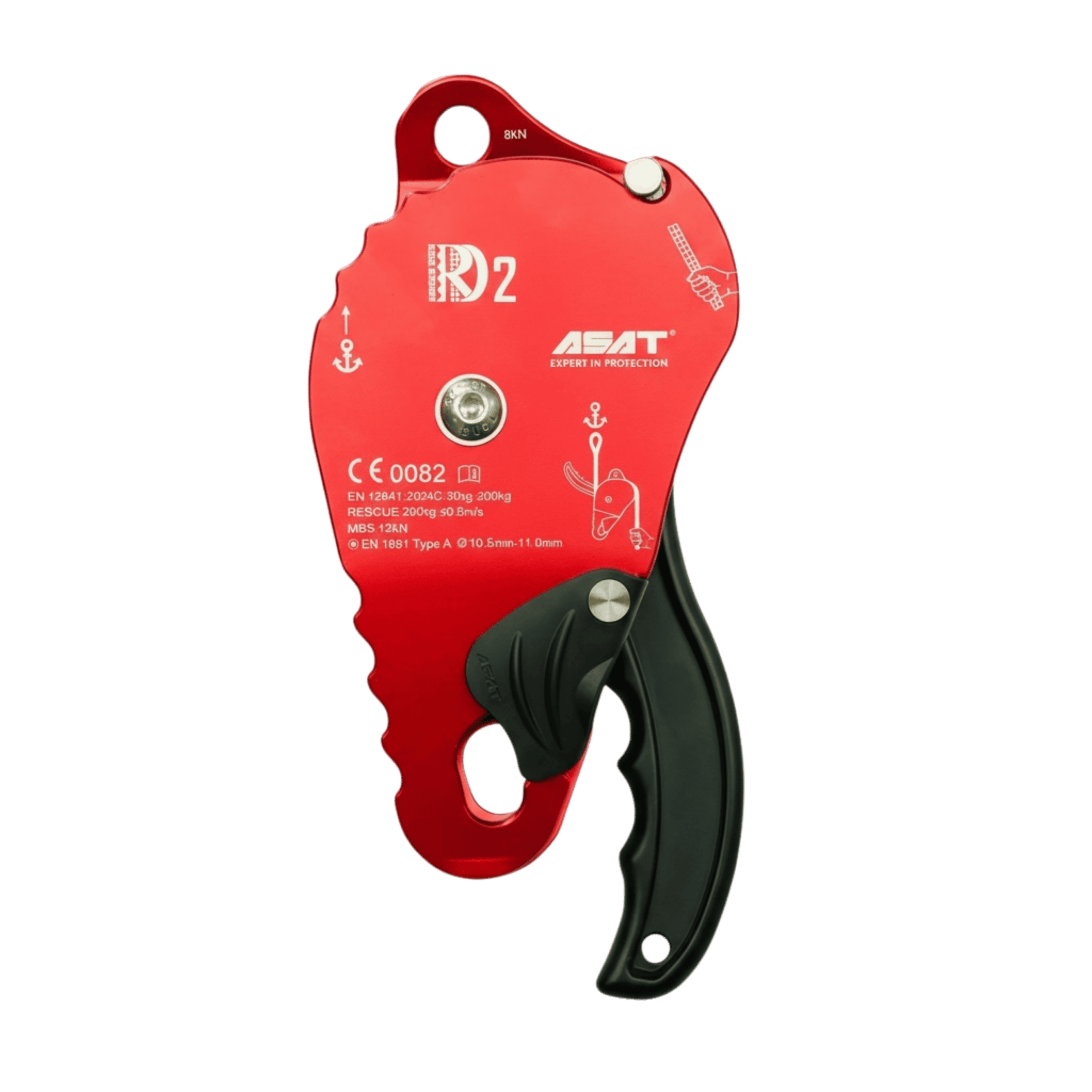
A two-rope system needs a Type A on the safety line and a working line device on the other. The RD2 descender is EN 12841:2024 Type C — it is the working line half of exactly this setup.
And the rope ranges overlap: the RA2 takes 10.0–12.0 mm, the RD2 takes 10.5–11.0 mm. A single EN 1891 Type A rope between 10.5 and 11.0 mm runs both lines, so you buy, inspect and retire one rope specification instead of two.
IRATA and SPRAT operators who need a certified Type A backup on every job.
Tank, silo, shaft and tower work on a two-rope system.
Where the working range runs through the full temperature band.
Not for: use as a working line device, use without a separate safety line, or use with a lanyard or connector other than the two in this kit.
A fall arrester is only as good as the rope it runs on and the system it sits in. Tell us what you are working on, what rope you already own and what is on your working line, and we will tell you whether this kit fits — or what else you need for it to.
4 items
 ASAT
Self-braking descender with integrated high-efficiency pulley · EN 12841:2024 Type C
$350 USD Only 5 left ASAT
Handled rope clamp / hand ascender (EN 567), left or right
$95 USD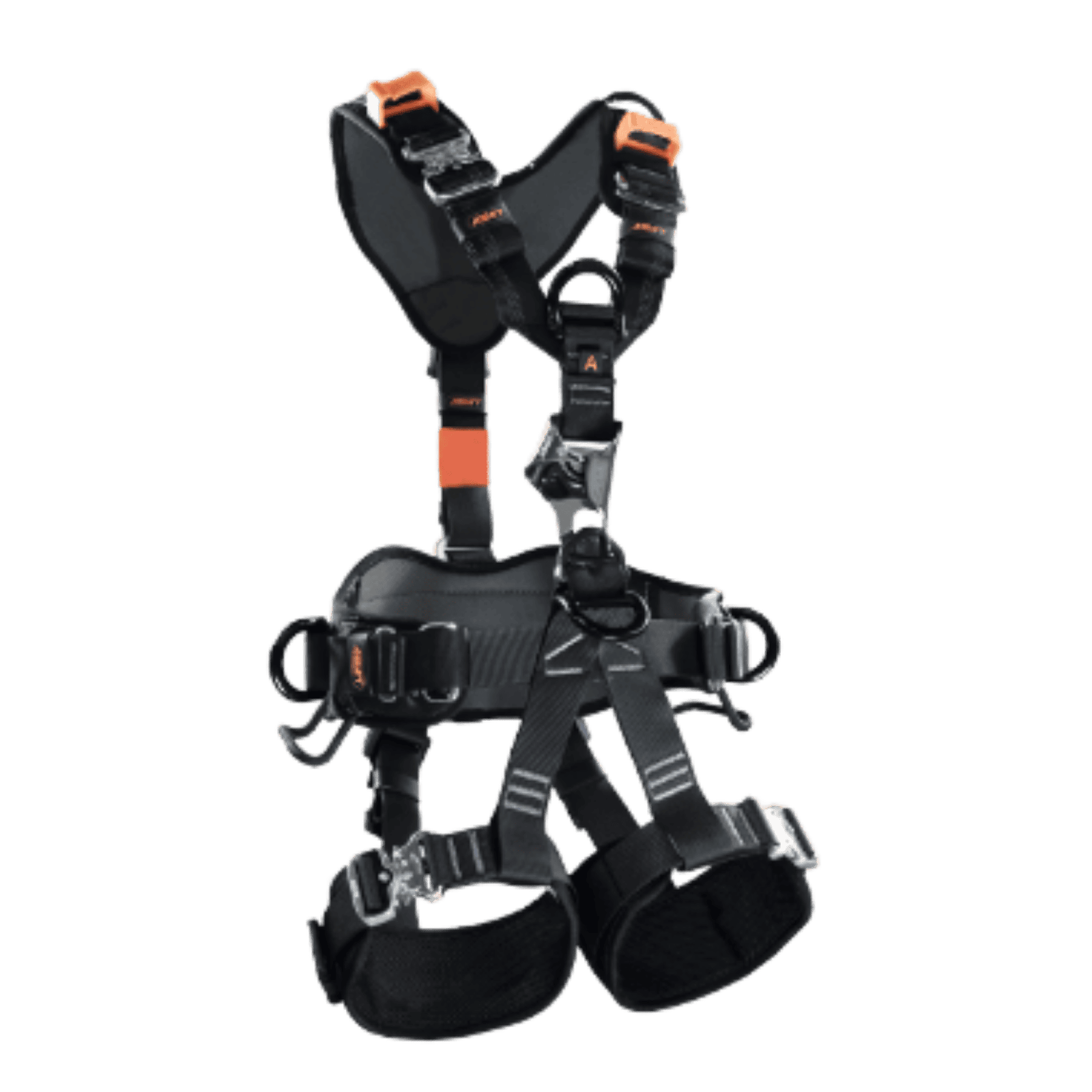 ASAT
Rope access, suspension, work positioning & fall arrest harness
$210 USD Only 5 left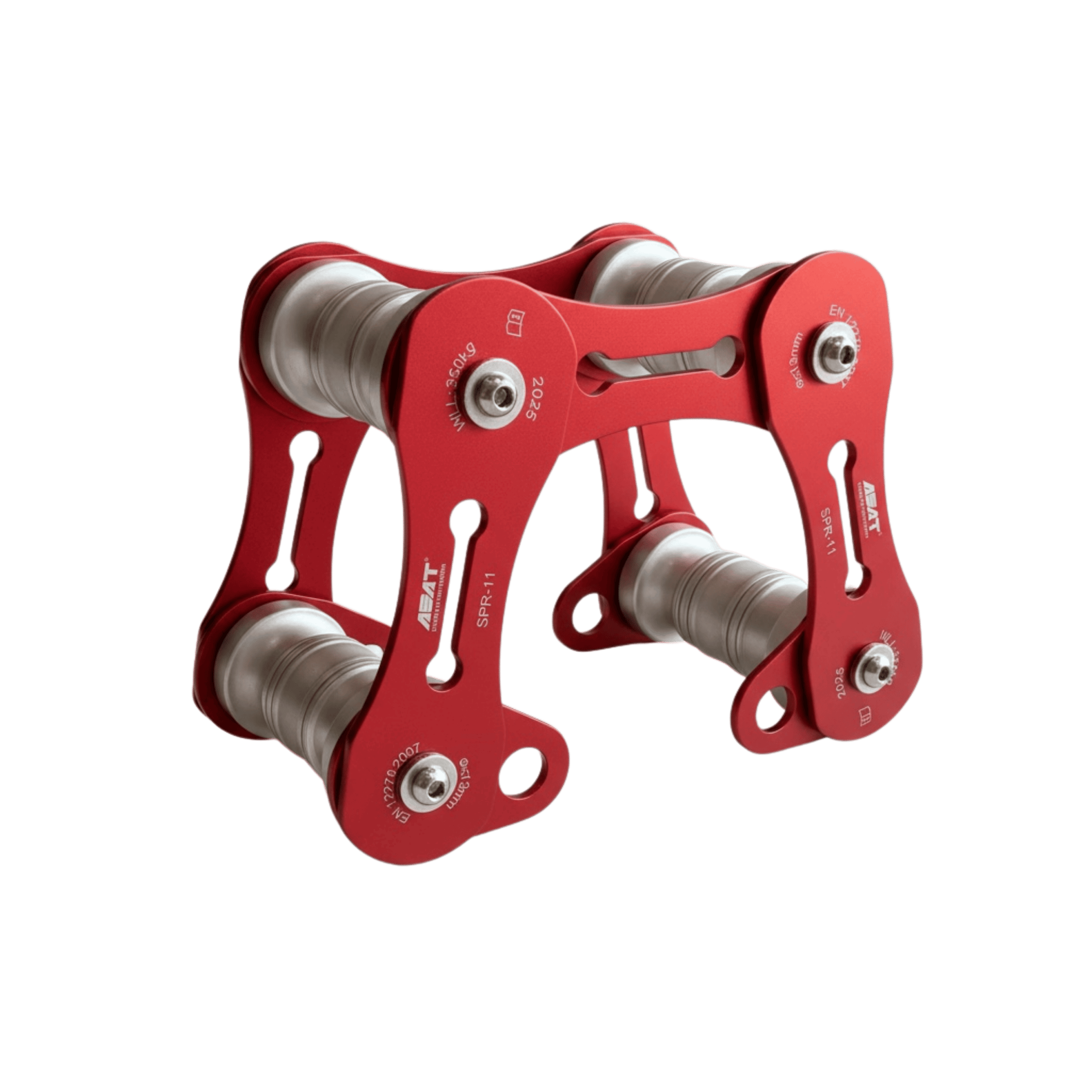 ASAT
Four-roller modular rope edge protector for multiple moving ropes
$195 USD